 English
 русский
 Español
 عربى


Microfiber Bedspread 9-Piece Set: A Complete Bed Skirt and Coordinated Bedroom Textile Solution

The modern bedroom is expected to provide more than a place to sleep. It is also a personal retreat, a guest-room statement, a hospitality asset, and an important part of a home’s overall visual identity. For wholesalers, retailers, hospitality buyers, and private-label brands, this creates a demand for bedding products that combine attractive presentation, practical performance, manageable care, and dependable manufacturing support. The Microfiber Bedspread 9-Piece Set is designed to address these needs through a coordinated collection of bedroom textiles made from 100% polyester microfiber.
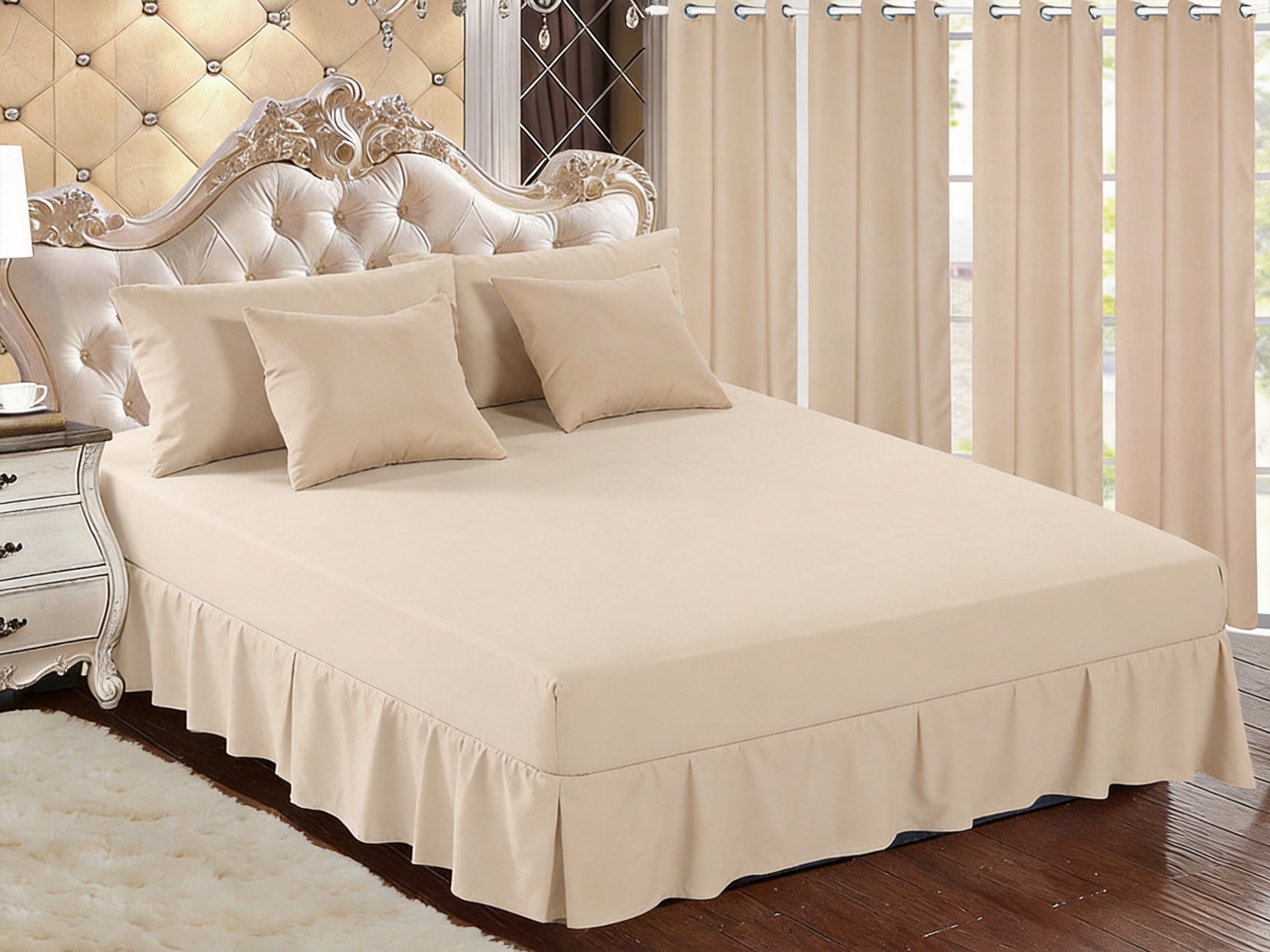
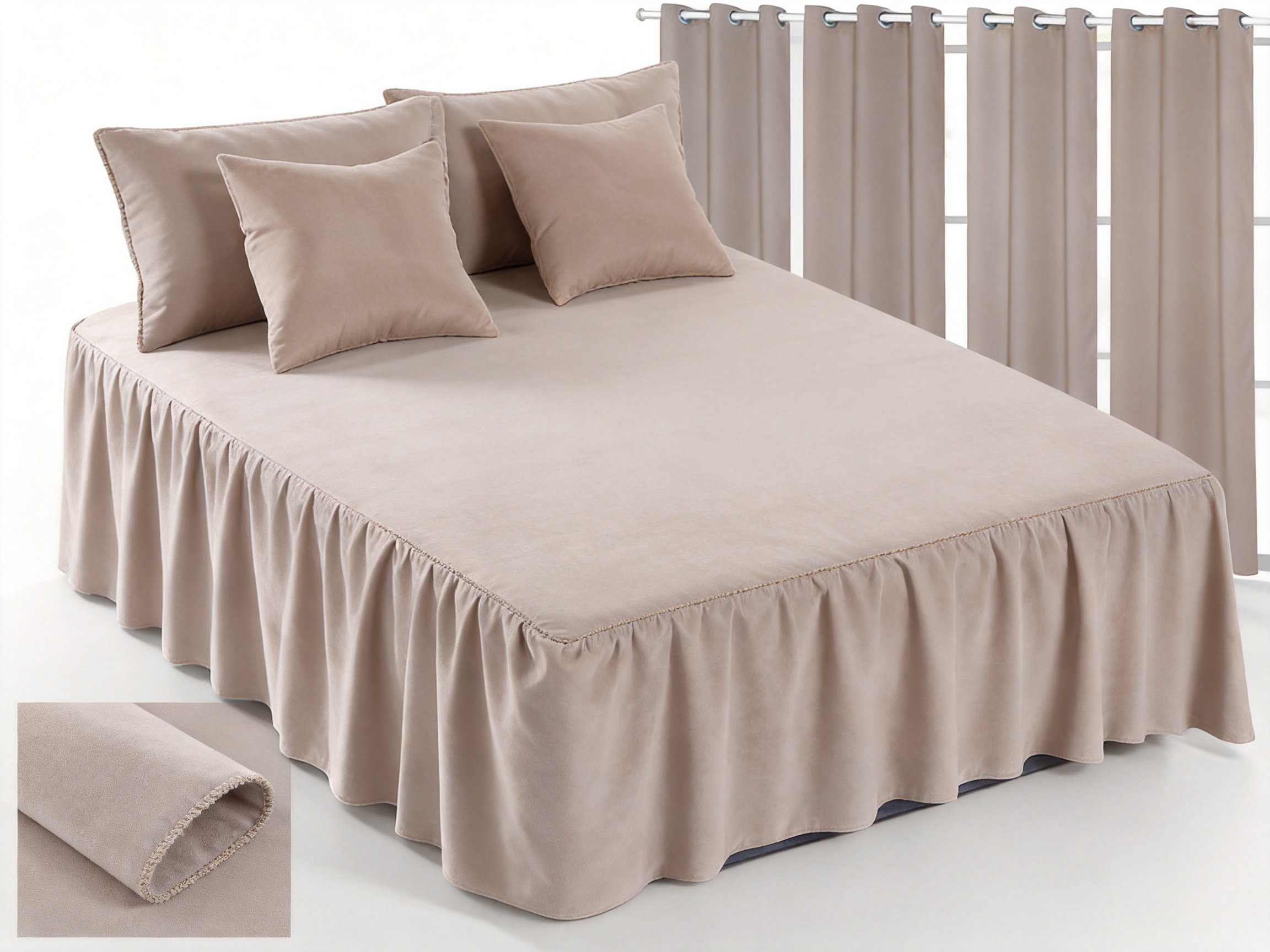
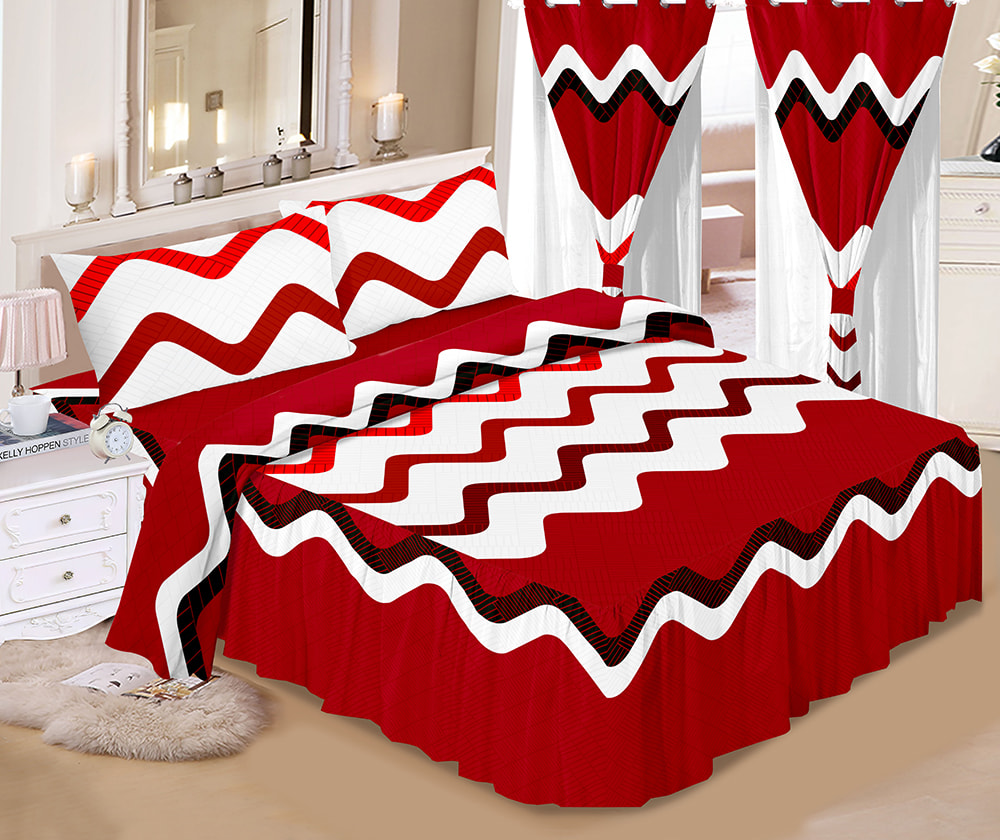
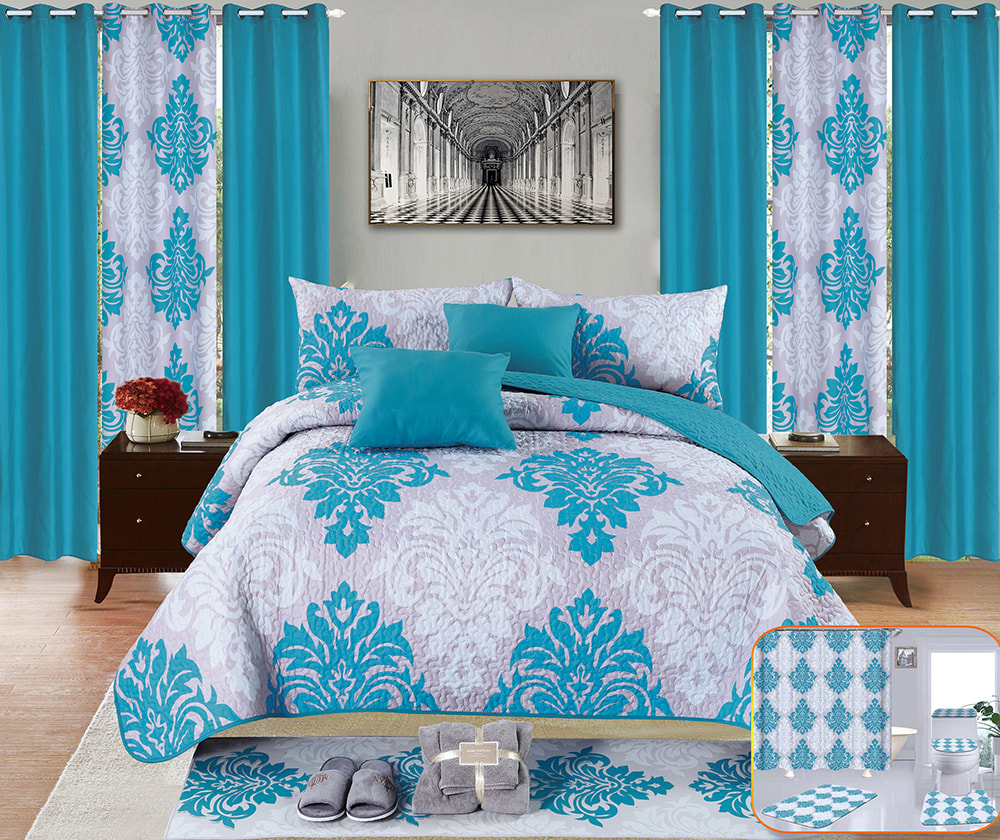
Although the product title refers to a bedspread set, the principal item is a solid bed skirt. The complete nine-piece configuration includes one bed skirt, two pillowcases, two cushion covers, and four curtains. Together, these components create a unified bedroom styling package rather than a single isolated bedding article. This format gives buyers an efficient way to coordinate the bed, windows, and decorative cushions with one purchase.
The set is manufactured by Dongyangshi Menghui Textile Co., Ltd., an industrial and trade enterprise specializing in home textiles. The company develops and produces bed sheets, quilt covers, pillowcases, cushions, quilts, waterproof mattress protectors, curtains, and related bedding sets. Its production capabilities, export experience, customization services, and integrated management structure make the product suitable for business customers seeking reliable OEM household textile supply.
1. Product Overview and Set Composition
The Microfiber Bedspread 9-Piece Set is a coordinated bedroom textile package built around a solid-color bed skirt. Its design is intentionally simple, allowing it to work with a wide range of bedroom environments. It can be used in residential bedrooms, guest rooms, rental properties, serviced apartments, hotels, dormitories, and other furnishing projects where a consistent appearance is important.
The set contains nine pieces in total:
| Component | Quantity | Queen Size | King Size |
|---|---|---|---|
| Bed skirt | 1 piece | 152 × 198 + 30 + 40 cm | 198 × 203 + 30 + 40 cm |
| Pillowcase | 2 pieces | 50 × 70 cm | 50 × 100 cm |
| Cushion cover | 2 pieces | 45 × 45 cm | 45 × 45 cm |
| Curtain | 4 pieces | 95 × 220 cm | 95 × 220 cm |
The bed skirt is the central component of the package. It is designed to cover the visible lower portion of the bed and help create a more finished appearance. The additional drop measurements shown in the specifications indicate the construction includes allowances for the bed-side fall and lower coverage. Buyers should confirm the exact interpretation of the size notation with the supplier when preparing purchase orders or adapting the product to local bed standards.
The pillowcases and cushion covers extend the visual theme beyond the bed itself. Pillowcases provide a functional matching accessory, while cushion covers help introduce decorative layering. The four curtains complete the coordinated concept by carrying the same or complementary textile treatment to the windows. This creates a unified room presentation that may be difficult to achieve when bedding and curtains are sourced separately.
The set is offered in Queen Size and King Size. The Queen Size bed skirt measures 152 × 198 cm, with the listed additional 30 and 40 cm construction dimensions. The King Size bed skirt measures 198 × 203 cm, also with the listed 30 and 40 cm allowances. Pillowcase dimensions vary by bed size, while cushion cover and curtain dimensions remain the same in the supplied specification.
2. Why Microfiber Polyester Is a Practical Bedding Material
The set uses 100% polyester microfiber fabric. Microfiber is valued in home textiles because its fine fibers can create a smooth, soft hand feel while maintaining practical durability. For bedding accessories and coordinated room sets, this balance is especially important. The fabric needs to look attractive, feel comfortable, withstand repeated handling, and remain easy to maintain across different use environments.
Compared with many heavier natural fabrics, microfiber polyester can offer a lighter and more manageable construction. This benefits packing, storage, transport, and daily handling. Retailers can often display or package microfiber products efficiently, while hospitality and rental-property operators can benefit from textile products that are practical to launder and return to service.
The soft touch of microfiber is one of the product’s main consumer-facing advantages. A bed skirt, pillowcase, or cushion cover may not have direct contact with the body in every application, but its tactile quality still influences perceived value. When customers open a package or inspect a finished room, a smooth hand feel supports the impression of comfort and care.
Polyester is also known for its dimensional stability and general resistance to everyday wear. The precise performance of any finished product depends on fabric weight, construction, dyeing, sewing quality, finishing, and care conditions. However, a well-manufactured polyester microfiber set can be a practical alternative for buyers who want attractive bedding coordination without the higher maintenance demands that may be associated with some delicate fabrics.
The easy-care character of microfiber polyester supports repeated use. In residential settings, this can simplify routine household washing. In commercial settings, including guest rooms and furnished accommodation, it may help reduce the operational burden of maintaining coordinated textiles. Care instructions should be established according to the final fabric finish, color, sewing construction, and buyer requirements.
3. A Coordinated Alternative to Individually Sourced Bedding
One of the strongest advantages of the nine-piece format is coordination. When a buyer purchases a bed skirt, pillowcases, cushion covers, and curtains from separate sources, differences in color, texture, pattern scale, and fabric behavior can create an inconsistent result. Even when the products appear similar in catalog photographs, small variations may become visible after installation or laundering.
This set addresses that issue by placing the major room textiles within one product concept. The bed becomes the visual anchor, the cushion covers add decorative detail, and the curtains extend the design toward the walls and windows. The result is a more complete furnishing solution that can save buyers time during product selection and room setup.
For retailers, a coordinated set can also be easier to merchandise. Instead of displaying several separate product categories, a retailer can present the package as a complete bedroom transformation. This may support gift sales, seasonal promotions, room renovation campaigns, and bundled offers. It may also help online sellers communicate value through a clear piece count and a straightforward product story.
For project buyers, coordination can be even more important. Hotels, guesthouses, rental apartments, and dormitory operators may need to prepare multiple rooms with a consistent appearance. A complete set reduces the number of separate specifications that must be reviewed and can make room-by-room replenishment more organized.
The solid bed skirt design is particularly versatile. Solid colors can be combined with patterned wallpaper, printed quilts, textured cushions, wood furniture, metal bed frames, or minimalist interiors. Unlike a highly specific motif, a simple solid treatment is less likely to conflict with existing furnishings. This broad compatibility is useful for distributors serving multiple markets with different design preferences.

Microfiber Bedspread 9-Piece Set
4. Functional Benefits of the Bed Skirt Design
A bed skirt has both decorative and practical roles. Visually, it conceals the lower part of the bed frame and creates a continuous textile surface around the mattress area. This can make a bedroom look more orderly, especially when the bed frame, storage items, or under-bed space would otherwise remain visible.
The bed skirt can also contribute to a layered bedding presentation. When used with a comforter, duvet, quilt, or sheet set, it provides a finished lower edge and separates the upper bedding from the bed base. This layered appearance is often associated with carefully styled bedrooms, hospitality presentation, and coordinated home décor.
In addition, the bed skirt can help conceal under-bed storage or other items placed below the mattress. It does not replace a storage system or protective cover, but it can reduce visual clutter. For compact bedrooms, this is a useful styling benefit because the lower bed area is often visible from multiple angles.
The supplied specifications distinguish between Queen Size and King Size dimensions. Correct sizing is important because a bed skirt that is too small may leave gaps, while one that is too large may bunch or hang unevenly. Buyers should match the dimensions to the target market’s mattress and bed-frame standards. Since bed construction varies by region and by furniture type, pre-production sample approval is recommended for OEM orders.
The listed 30 and 40 cm allowances should also be reviewed during technical confirmation. They may relate to the drop, side construction, or other finished measurements. Clear measurement diagrams, approved samples, and written production specifications help prevent misunderstandings between the buyer and factory.
5. Pillowcases and Cushion Covers as Value-Adding Accessories
The two pillowcases make the set more complete for everyday use. In the Queen Size configuration, each pillowcase measures 50 × 70 cm. In the King Size configuration, each measures 50 × 100 cm. These dimensions correspond to common pillow formats in many markets, but buyers should always verify local size preferences before placing a bulk order.
Matching pillowcases can create a balanced relationship between the bed skirt and the upper bedding. Even when the customer uses a separate comforter or duvet, coordinated pillowcases can help maintain a consistent color story. For retailers, this also makes the product easier to explain: the customer receives not only a decorative bed base treatment but also matching sleep accessories.
The two 45 × 45 cm cushion covers are intended for decorative use. Cushions can be arranged against the headboard, layered in front of sleeping pillows, or used on chairs and benches within the room. Their standardized square format is widely adaptable and allows customers to insert their preferred cushion fillings.
Including cushion covers increases the set’s styling flexibility. A buyer can keep the room understated by using only the bed skirt and pillowcases, or create a more decorative arrangement by adding cushions. This flexibility is valuable for different consumer preferences and for visual merchandising. Product photography, showroom displays, and hospitality room styling can all benefit from the additional decorative elements.
6. Matching Curtains for a Complete Room Concept
The four curtains measure 95 × 220 cm each in both listed sizes. Their inclusion distinguishes this product from many conventional bedding packages that stop at the bed. By adding window textiles, the set supports a more comprehensive approach to bedroom design.
Curtains can influence the perceived proportions, color balance, and atmosphere of a room. Matching or coordinated curtains draw attention beyond the bed and help connect separate areas of the interior. When the curtains and bed skirt share a material or color direction, the room may appear more intentional and professionally furnished.
For hospitality and furnished-property buyers, this can reduce the effort required to assemble a room package. A buyer can establish a repeatable room concept using one coordinated set, then combine it with mattresses, duvets, lighting, furniture, and wall décor according to the project’s requirements.
The 220 cm curtain length is suitable for many standard bedroom applications, but installation conditions vary. Window height, curtain rod placement, desired pooling, and local construction standards should be considered. Buyers may request adjustments through OEM customization if the standard dimension does not suit their target application.
Because curtains can be exposed to sunlight, dust, and repeated handling, fabric colorfastness and sewing construction are important quality considerations. These requirements should be included in technical discussions, especially for commercial projects or markets with strong sunlight. The factory’s experience in producing both bedding and curtains provides a useful foundation for coordinating these product categories.
7. Advantages for Retailers, Distributors, and Private-Label Buyers
The product is suitable for business buyers who need a practical home textile item with a broad market position. Its simple appearance does not limit it to one narrow decorating style. Depending on the selected color, packaging, photography, and sales channel, it can be positioned as an everyday household product, a guest-room furnishing set, a seasonal home décor item, or a value-oriented bedroom makeover package.
One advantage is the clear nine-piece value proposition. Customers can quickly understand that the package includes several coordinated elements. This is often more compelling than purchasing one bed skirt alone, particularly for buyers who want an immediate room refresh.
A second advantage is the use of a familiar synthetic textile. Microfiber polyester is widely recognized by consumers and distributors. Its softness, easy-care appeal, and practical handling characteristics can be communicated without requiring highly technical education. This supports product listings, showroom sales, catalog descriptions, and private-label packaging.
A third advantage is the availability of two principal bed sizes. Offering Queen Size and King Size allows sellers to address important segments without creating an excessively complex range. Additional color development or size adaptation can be considered through OEM discussions.
A fourth advantage is the product’s cross-channel suitability. It can be sold through bedding stores, home furnishing outlets, department stores, e-commerce platforms, hospitality suppliers, importers, wholesalers, and private-label brands. The same basic product can be presented differently depending on the channel. An online retailer may emphasize the piece count and room coordination, while a hotel supplier may focus on standardized dimensions, replacement planning, and bulk purchasing.
The minimum order quantity is 50 sets per color and size. This quantity may be accessible to regional distributors and developing brands while still supporting organized production. Buyers should confirm whether the MOQ applies separately to each color-size combination and should discuss packaging, labeling, sample approval, lead time, and shipping terms before finalizing an order.
8. OEM Customization and Product Development Support
OEM service is an important part of the company’s offering. Customers can discuss customization based on their samples, market needs, or brand standards. Potential areas of customization may include fabric selection, color, labeling, packaging, dimensions, sewing details, and the balance between standard and project-specific components.
Customization is most successful when the buyer provides clear technical information. A useful OEM specification should identify the desired fabric composition, fabric weight, color reference, finished measurements, seam requirements, closure details, packaging format, label content, carton markings, and quality standards. If the buyer has a physical sample, the factory can evaluate the construction and clarify which elements can be reproduced or improved.
Color development deserves particular attention for coordinated sets. The bed skirt, pillowcases, cushion covers, and curtains should be reviewed together rather than approved independently. Differences in fabric surface, dye absorption, finishing, and lighting can affect how colors appear. A complete pre-production set is therefore more reliable than approving only a small fabric swatch.
Packaging can also be adapted to the needs of different channels. A retail package may require a compact folded presentation, product photography, barcode labeling, fiber-content information, and care instructions. A hospitality or project order may prioritize protective bulk packing, carton identification, and efficient warehouse handling. Discussing these requirements early helps align manufacturing with the buyer’s distribution system.
OEM development can also address regional bed standards. Queen and King dimensions are not identical in every country. A factory experienced in export textiles can work with buyers to review target-market measurements and develop appropriate samples. Written approval should be obtained before bulk production begins.
9. The Company’s Integrated Manufacturing Strengths
Dongyangshi Menghui Textile Co., Ltd. operates as an industrial and trade enterprise integrating research and development, production, sales, and export. This integrated structure can offer practical advantages to international buyers. Instead of relying entirely on unrelated third-party factories, the company can coordinate product development, manufacturing, quality communication, and export service within one business system.
The company was founded in 2015 and focuses on home textile products, including bed sheets, quilt covers, pillowcases, cushions, quilts, waterproof mattress protectors, curtains, and bedding sets. This product breadth is relevant to the Microfiber Bedspread 9-Piece Set because the set combines several textile categories. Experience with both bedding and curtains can support better coordination of materials, dimensions, sewing, and finishing.
The factory covers more than 10,000 square meters and employs more than 100 people. These resources indicate an established production organization rather than a small workshop focused on a single product type. The company also reports the use of intelligent production equipment and a standardized management system. Such infrastructure can support repeatable manufacturing, organized material handling, and more consistent production planning.
A production facility of this scale can be valuable for buyers placing repeat orders. Consistency is often more important than a single attractive sample. Retailers and distributors need subsequent batches to remain close to the original approved product in terms of color, measurements, sewing quality, and packaging. Standardized management and documented specifications can help reduce variation between production runs.
The company’s experienced foreign trade service team is another strength for international customers. Export transactions require more than sewing capacity. They involve communication across languages and time zones, document preparation, sample coordination, packing information, shipping arrangements, and response to market-specific requirements. A dedicated foreign trade team can help buyers move from inquiry to production with fewer communication gaps.
The company states that its products are exported and that customized services are available according to customer samples. This export orientation is relevant to buyers seeking a supplier familiar with international order procedures. Nevertheless, each buyer should independently confirm certifications, testing, inspection procedures, shipping terms, and compliance documents according to the destination market.
10. Manufacturing Process for a Coordinated Microfiber Set
10.1 Product Planning and Technical Review
Manufacturing begins with product planning. At this stage, the factory and buyer confirm the set composition, fabric composition, sizes, colors, construction, packaging, and order quantity. For this nine-piece set, the factory must coordinate several component types rather than produce one simple rectangular article.
The technical review should confirm that every item is counted correctly: one bed skirt, two pillowcases, two cushion covers, and four curtains. It should also specify whether all components use the same face fabric, whether any lining or backing is required, and how the finished pieces are folded and packed together.
Measurements should be documented in a clear specification sheet. The bed skirt measurements, pillowcase dimensions, cushion cover dimensions, and curtain dimensions should be presented in a format understood by both parties. Tolerances should be agreed in advance, especially for bulk orders and products intended for standardized rooms.
10.2 Fabric and Color Preparation
Once the specifications are confirmed, the fabric requirement is calculated. Microfiber polyester is selected according to the desired hand feel, appearance, weight, width, and end use. The factory must account for shrinkage, cutting waste, seam allowances, and the different dimensions of the set components.
Color preparation is particularly important for a coordinated collection. The selected color should be reviewed under appropriate lighting and compared across the fabric intended for the bed skirt, pillowcases, cushion covers, and curtains. If different fabric constructions are used, the same dye reference may not appear identical on each surface. A pre-production sample helps confirm the final visual result.
For repeat orders, the factory should maintain a reference standard for the approved color. Buyers may also request colorfastness testing or other quality checks suitable for their market. The exact testing program should be agreed according to the customer’s requirements and product positioning.
10.3 Cutting and Component Organization
After fabric approval, the material is prepared for cutting. Accurate cutting is essential because the set includes multiple pieces with different dimensions. The bed skirt requires larger panels and possibly additional sections for the drop or side construction. Pillowcases and cushion covers require precise square or rectangular cutting, while curtains require long panels with consistent dimensions.
Organized cutting and bundling help prevent component mixing. Each set must receive the correct quantity of each item, and each color-size combination must remain identifiable throughout production. This is especially important when several colors or both Queen and King sizes are being manufactured in the same production period.
Intelligent equipment and standardized production procedures can support accurate, repeatable cutting. However, equipment alone does not guarantee quality. Skilled staff, clear work instructions, maintenance, and in-process inspection remain important parts of the manufacturing system.
10.4 Sewing and Assembly
Sewing construction determines much of the product’s durability and appearance. The bed skirt must maintain an even drop and clean edges. Pillowcases and cushion covers must retain their intended shape. Curtains must have consistent panel dimensions and appropriate upper-edge construction for the intended installation method.
Operators should follow defined seam allowances and stitch requirements. Thread selection, needle condition, thread tension, and sewing speed can all influence seam quality. Uneven stitching, skipped stitches, loose threads, or puckering can reduce the perceived value of the finished set.
For coordinated products, the visual standard should be consistent across all components. A buyer may notice differences in edge finishing or color alignment when the pieces are displayed together. In-process checks can identify problems before the complete set reaches final inspection.
10.5 Finishing, Inspection, and Packing
After sewing, the products are inspected, trimmed, folded, and prepared for packing. Finishing may include thread removal, surface checking, measurement verification, and presentation preparation. The finished items should be checked for visible stains, holes, fabric defects, incorrect labels, and quantity errors.
Final inspection should verify both individual pieces and complete sets. A set may contain high-quality individual components but still fail if a pillowcase is missing or the wrong size is packed with the bed skirt. A piece-count checklist is therefore essential for a nine-piece product.
Packaging should protect the microfiber fabric from dust, moisture, compression damage, and handling during transport. The final package should also communicate the product size, color, composition, care information, and set contents as required by the buyer or destination market.
11. Quality Control Priorities
Quality control for this product should address appearance, dimensions, construction, material identification, packaging, and set completeness. The most important checkpoints can be divided into incoming-material inspection, in-process inspection, and final inspection.
Incoming-material inspection may verify fabric composition, color, width, weight, surface appearance, and overall consistency. If the buyer requires 100% polyester microfiber, the supplier should maintain appropriate documentation and ensure that the production material matches the approved specification.
In-process inspection focuses on cutting and sewing. Inspectors can review panel dimensions, seam alignment, edge finishing, thread tension, and component identification. Early detection is more efficient than discovering defects after all nine pieces have been assembled and packed.
Final inspection should include random measurement checks for each component. The bed skirt should be checked for length, width, and drop. Pillowcases and cushion covers should be checked for finished size and shape. Curtains should be checked for panel dimensions and finishing. The inspector should also confirm that every carton contains the correct number of complete sets.
Packaging inspection is equally important for export orders. Carton dimensions, gross weight, inner packing, product labels, and shipping marks should match the approved packing list. Clear carton identification helps distributors receive, store, and replenish products efficiently.
Buyers may use their own inspection company or agree on a factory inspection procedure. The inspection standard should be established before production, including acceptable tolerances and defect classifications. Clear standards protect both the buyer and the manufacturer by reducing subjective judgments after shipment.
12. Competitive Advantages Compared with Basic Bedding Products
The Microfiber Bedspread 9-Piece Set has several advantages over a basic single-item bed skirt. The most obvious is the broader room application. A single bed skirt addresses only the lower bed area, while this set also provides pillowcases, cushion covers, and curtains. Customers receive a more complete visual solution without coordinating several separate purchases.
Another advantage is the balance between decorative appearance and practical material selection. The solid design is easy to combine with other furnishings, while microfiber polyester offers a soft hand feel and manageable care. This combination can appeal to buyers who want a polished bedroom without choosing a complicated pattern or delicate fabric.
The product may also compare favorably with fragmented sourcing. Purchasing every component from different suppliers can increase administrative work, create inconsistent shades, and complicate replenishment. A coordinated set from one manufacturer simplifies communication and can improve consistency across the package.
Compared with highly seasonal or trend-specific designs, the simple solid style may have a longer selling window. It can be marketed for everyday use, guest-room preparation, moving into a new home, furnishing a rental property, or refreshing a bedroom. Its versatility can help reduce the risk of inventory becoming tied to one short-lived visual trend.
The product also benefits from factory-level customization. Competitors offering only standard retail packages may not be able to adapt dimensions, labels, packing, or color ranges. OEM support gives distributors and brands more control over how the product fits their market strategy.
13. Applications in Different Market Segments
13.1 Residential Retail
In residential retail, the set can be positioned as a convenient bedroom makeover package. Customers can use it to refresh an existing room, prepare a guest bedroom, or coordinate textiles after replacing furniture. The nine-piece format offers visible value and reduces the need to select separate matching accessories.
Retail messaging can emphasize the solid bed skirt, soft microfiber feel, coordinated curtains, included decorative cushion covers, and available Queen and King sizes. Care instructions and accurate dimensions should be clearly presented so customers can make informed purchases.
13.2 E-Commerce
For e-commerce, the product benefits from clear photography showing the complete arrangement. Online listings should identify every included piece and display the bed skirt, pillowcases, cushion covers, and curtains separately as well as together. This prevents confusion about the contents of the package.
Product descriptions should avoid implying that a comforter, duvet insert, mattress, or bedsheet is included unless those items are actually part of the order. Since the principal component is a bed skirt, the listing should use precise language and provide a measurement chart for both sizes.
13.3 Hospitality and Guest Rooms
Hotels, guesthouses, serviced apartments, and other accommodation providers may use coordinated textile sets to establish a consistent room appearance. The simple design can work across rooms with different furniture layouts, while the polyester microfiber construction may support routine care and replacement planning.
Commercial buyers should evaluate laundering conditions, colorfastness, required durability, fire-safety rules, and local hospitality standards before ordering. They may also require additional testing or documentation beyond the standard product description.
13.4 Rental Housing and Property Management
Furnished rentals and property-management companies often need attractive textiles that are easy to replace and reasonably simple to maintain. A complete set can help prepare rooms quickly between tenants or guests. The coordinated format also supports standardized furnishing packages across multiple properties.
13.5 Wholesale and Private Label
Wholesalers and private-label brands can use OEM customization to create a product range under their own commercial identity. They may select colors that match their existing collections, adjust packaging for retail shelves, or develop market-specific measurements. The company’s integrated production and export capabilities can support this type of ongoing supply relationship.
14. Ordering Considerations for International Buyers
Before placing an order, buyers should confirm the complete technical specification. This includes the material composition, fabric construction, color, finished dimensions, piece count, packaging, labeling, and inspection requirements. Any difference between a catalog sample and a customized order should be documented in writing.
The MOQ is 50 sets per color and size. Buyers planning multiple colors should calculate the total order by individual color-size combination. They should also confirm whether mixed colors or mixed sizes are accepted within a production run and whether different packaging requirements affect the minimum order quantity.
Sample approval is recommended before mass production. The approved sample should represent the final fabric, color, sewing construction, dimensions, labels, and packing method. If the order is based on a customer-provided sample, the buyer should identify which features are mandatory and which may be adjusted to improve manufacturability or cost.
Lead time should be discussed according to the season, order volume, fabric availability, customization level, and shipping schedule. Buyers should allow sufficient time for sample development, approval, production, inspection, packing, and international transport.
Import requirements differ by destination. Depending on the market, buyers may need fiber-content labeling, care labels, country-of-origin information, packaging regulations, chemical compliance documentation, or other certifications. The importer remains responsible for confirming the legal requirements of the destination country, while the factory can discuss available documentation and production support.
15. Care, Use, and Product Longevity
Correct care contributes to the appearance and useful life of microfiber bedding. Customers should follow the care instructions supplied with the final product because washing temperature, detergent choice, drying method, and ironing recommendations may vary according to the fabric finish and construction.
In general, textile products should be washed according to their color group and should not be exposed to unnecessary high heat. Excessive heat may affect synthetic fibers, seams, elastic elements, or decorative finishes. Curtains may require additional attention because their dimensions and hanging structure can be influenced by washing and drying conditions.
For hospitality and commercial users, a documented textile-care process can help maintain consistency. Staff should avoid overloading washing machines, use suitable detergent levels, inspect products after laundering, and remove damaged items from circulation. Proper storage also matters. Clean and completely dry textiles should be protected from moisture, dust, and prolonged direct sunlight.
The product’s polyester microfiber construction is designed for practical use, but no textile is immune to damage from sharp objects, improper laundering, excessive chemical exposure, or unsuitable drying conditions. Clear customer guidance can reduce avoidable complaints and support longer product service life.
16. Sustainability and Responsible Manufacturing Considerations
Buyers increasingly evaluate textile suppliers not only by product appearance and price but also by manufacturing responsibility. Polyester microfiber is a synthetic material, so sustainability discussions should consider material selection, product lifespan, production efficiency, packaging, and end-of-life management.
A durable product that remains attractive through repeated use may reduce the frequency of replacement. Efficient cutting and organized production can help reduce material waste. Appropriate packaging can limit unnecessary volume while still protecting the goods during transport. Buyers may also discuss recycled polyester options, recyclable packaging, or other environmental preferences during OEM development if such materials are suitable for the target market.
Responsible manufacturing also involves consistent working procedures, equipment maintenance, product inspection, and safe handling of production materials. The company’s standardized management system and organized factory structure provide a foundation for buyers who want to discuss quality and operational expectations in greater detail.
Environmental claims should be supported by appropriate documentation. Buyers should request specific evidence for recycled content, certifications, chemical compliance, or other sustainability statements before using them in marketing materials. Precise communication protects the credibility of both the buyer and the manufacturer.
17. How to Present the Product Effectively
Successful product presentation should explain both the visual and practical value of the set. A strong product listing can begin with the complete nine-piece count, then identify the bed skirt as the main item and list the supporting accessories. The Queen Size and King Size measurements should be displayed in a table or easy-to-read chart.
Images should show the bed skirt installed on a bed, the full room coordination, the cushion covers, the pillowcases, and the curtains. Close-up images can communicate the microfiber surface and sewing details. Packaging photographs are also useful for wholesale buyers and online customers who want to understand how the product is delivered.
Marketing language should accurately describe the set as a coordinated bed skirt and bedroom textile collection. If a comforter, duvet, sheet, or mattress is not included, this should be stated clearly. Accurate descriptions reduce returns and help buyers choose the correct product for their needs.
For wholesale catalogs, the product can be grouped with related items such as sheets, quilt covers, waterproof mattress protectors, quilts, and additional curtain styles. Since the manufacturer produces a broad home textile range, buyers may be able to build a wider coordinated collection through one sourcing relationship.
18. Why Choose an Integrated Home Textile Manufacturer
An integrated manufacturer can provide advantages beyond the production of one item. Buyers often need a supplier that understands fabrics, sewing, dimensions, packaging, export documentation, and ongoing communication. When a company combines research and development, manufacturing, sales, and export functions, these activities can be coordinated more efficiently.
For the Microfiber Bedspread 9-Piece Set, the integration is especially relevant because the product combines bed skirts, pillowcases, cushion covers, and curtains. A supplier focused only on one category might produce excellent individual items but require separate coordination for the rest of the package. A home textile manufacturer with experience across these categories is better positioned to manage the complete concept.
The company’s factory area of more than 10,000 square meters, workforce of more than 100 employees, intelligent equipment, and standardized management system indicate the infrastructure to support larger and repeat orders. Its foreign trade service team further supports international customers who require organized communication and export coordination.
These strengths do not eliminate the need for buyer due diligence. Buyers should still approve samples, define standards, conduct inspections where appropriate, and verify market compliance. However, an established manufacturing platform can make the sourcing process more practical and scalable.
19. Recommended Buyer Checklist
Before confirming an order for the Microfiber Bedspread 9-Piece Set, buyers should review the following points:
| Review Area | Questions to Confirm |
|---|---|
| Material | Is the final fabric 100% polyester microfiber, and are the weight and finish approved? |
| Set contents | Does each set contain one bed skirt, two pillowcases, two cushion covers, and four curtains? |
| Size | Are the Queen Size and King Size measurements suitable for the destination market? |
| Color | Has the complete coordinated set been approved under suitable lighting? |
| Construction | Are seams, hems, edges, and curtain finishing defined in the specification? |
| Packaging | Are folding, inner packing, carton marks, labels, and barcode requirements confirmed? |
| MOQ | Is the order quantity at least 50 sets per color and size? |
| Inspection | Are tolerances, defect standards, and inspection timing agreed? |
| Compliance | Are destination-market labeling, testing, and documentation requirements satisfied? |
This checklist can be adapted for different business models. A small distributor may prioritize color, packaging, and MOQ. A hotel group may focus more on durability, laundering, replacement availability, and standardized room dimensions. A private-label brand may require detailed label artwork, packaging approval, and brand-specific quality procedures.
20. Frequently Asked Questions
Q1: What is included in the nine-piece set?
The set includes one bed skirt, two pillowcases, two cushion covers, and four curtains, for a total of nine pieces.
Q2: Is a comforter or duvet insert included?
The supplied specification lists a bed skirt, pillowcases, cushion covers, and curtains. It does not list a comforter, duvet insert, mattress, or separate sheet as part of this nine-piece configuration. Buyers should confirm the final packing list before ordering.
Q3: What material is used?
The product is made from 100% polyester microfiber fabric.
Q4: What sizes are available?
The listed sizes are Queen Size and King Size. The Queen Size bed skirt measures 152 × 198 cm with the additional listed 30 and 40 cm dimensions. The King Size bed skirt measures 198 × 203 cm with the same listed additional dimensions.
Q5: What are the pillowcase dimensions?
Queen Size includes two pillowcases measuring 50 × 70 cm each. King Size includes two pillowcases measuring 50 × 100 cm each.
Q6: What are the cushion cover dimensions?
Each set includes two cushion covers measuring 45 × 45 cm.
Q7: What are the curtain dimensions?
Each set includes four curtains measuring 95 × 220 cm.
Q8: What is the minimum order quantity?
The stated minimum order quantity is 50 sets per color and size.
Q9: Can the product be customized?
Yes. OEM home textile customization services are available. Buyers can discuss colors, dimensions, packaging, labels, sewing details, and other requirements according to their market or brand program.
Q10: Can the supplier work from a customer sample?
The company provides customized home textile services based on customer samples. A sample review and written technical confirmation are recommended before production.
Q11: Is the solid design suitable for different bedroom styles?
Yes. The simple solid design can coordinate with minimalist, contemporary, traditional, guest-room, rental, and many other bedroom environments. The final visual effect depends on the selected color and the surrounding furnishings.
Q12: Why buy a complete set instead of separate items?
A complete set provides coordinated bed, cushion, pillow, and window textiles. It can simplify purchasing, reduce color-matching concerns, and provide a more unified room appearance.
Q13: Is microfiber easy to care for?
Microfiber polyester is generally considered a practical, easy-care textile. Customers should follow the final care label because washing and drying recommendations depend on the fabric construction, finishing, and sewing details.
Q14: Is the product suitable for hotels or furnished apartments?
It may be suitable for hospitality, rental, and furnished-property applications, subject to the buyer’s required durability, laundering, fire-safety, colorfastness, and local compliance standards.
Q15: What should buyers confirm before placing a bulk order?
Buyers should confirm the material, complete piece count, dimensions, colors, packaging, labels, MOQ, inspection standards, delivery schedule, and destination-market requirements. A complete pre-production sample is recommended.
Conclusion
The Microfiber Bedspread 9-Piece Set is a practical and visually coordinated solution for buyers seeking more than a single bed textile. Its solid bed skirt provides a finished foundation for the bed, while the matching pillowcases, cushion covers, and curtains extend the design throughout the bedroom. Made from 100% polyester microfiber, the set combines a soft hand feel with the practical characteristics expected from an easy-care household textile.
The nine-piece format creates advantages for retail, wholesale, private-label, hospitality, rental, and project applications. It simplifies room coordination, supports attractive merchandising, and provides a clear value proposition. Queen Size and King Size options address important market segments, while OEM services allow buyers to develop colors, dimensions, packaging, and other details for specific channels.
The manufacturing strengths of Dongyangshi Menghui Textile Co., Ltd. support the product’s commercial potential. Its integrated research and development, production, sales, and export structure; more than 10,000-square-meter factory; workforce of more than 100 employees; intelligent production equipment; standardized management system; and experienced foreign trade team provide a foundation for organized international supply.
For the best result, buyers should work closely with the factory to approve the material, color, measurements, construction, packaging, and complete set contents. With accurate specifications and suitable quality controls, this coordinated microfiber collection can serve as a dependable addition to a modern home textile product range.
References
1. Product specification information supplied for the Microfiber Bedspread 9-Piece Set, including material, sizes, dimensions, MOQ, and component quantities.
2. Company information supplied for Dongyangshi Menghui Textile Co., Ltd., including manufacturing scope, factory scale, production equipment, workforce, management system, and export services.
3. General textile product-development practices covering fabric approval, cutting, sewing, inspection, packing, sampling, and OEM customization.
4. General home textile merchandising principles concerning coordinated bedding, decorative cushions, bed skirts, and curtains.
5. General guidance on polyester microfiber care, textile measurement confirmation, packaging review, and destination-market compliance.
Product: Microfiber Bedspread 9-Piece Set

Contact Us for More Details
Don't hesitate to contact when you need us!
Contact Information
Add:
Building 1, East Area, Wanyang Zhongchuang City, Economic Development Zone, Dongyang City, Zhejiang Province, China
Phone:
Tel:
E-mail:
Quick Links
Product Category
QR Code


+86-13616899966
+86-579-86610966
