
 English
 русский
 Español
 عربى
عربى
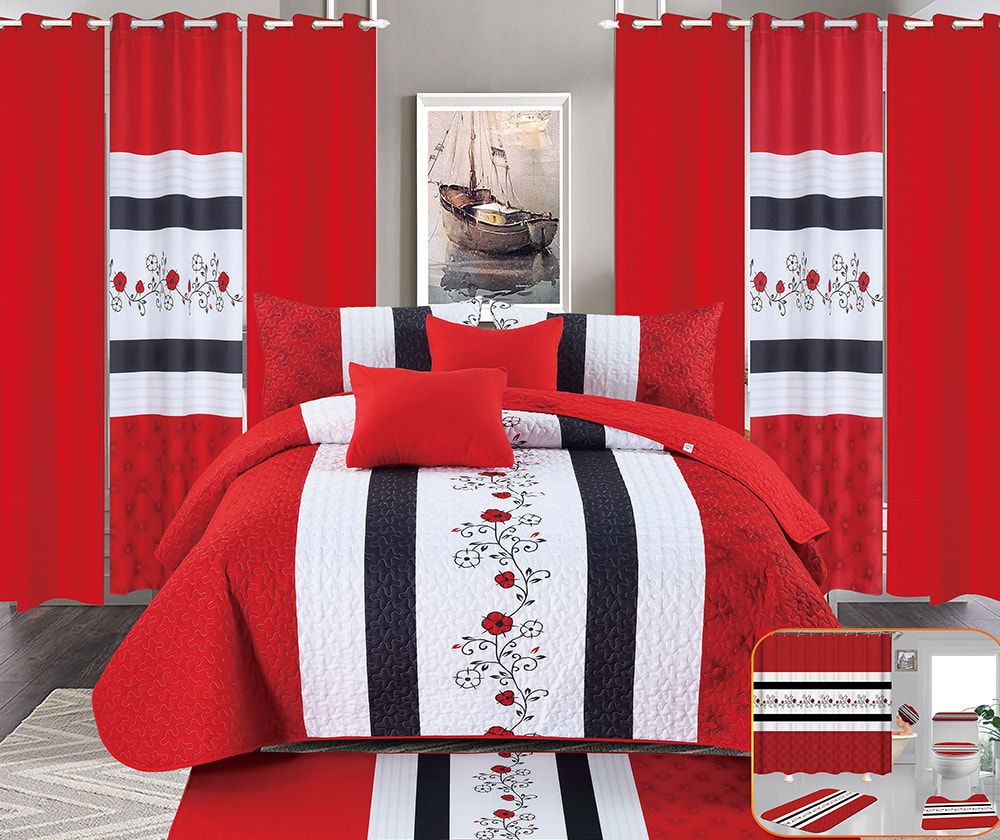
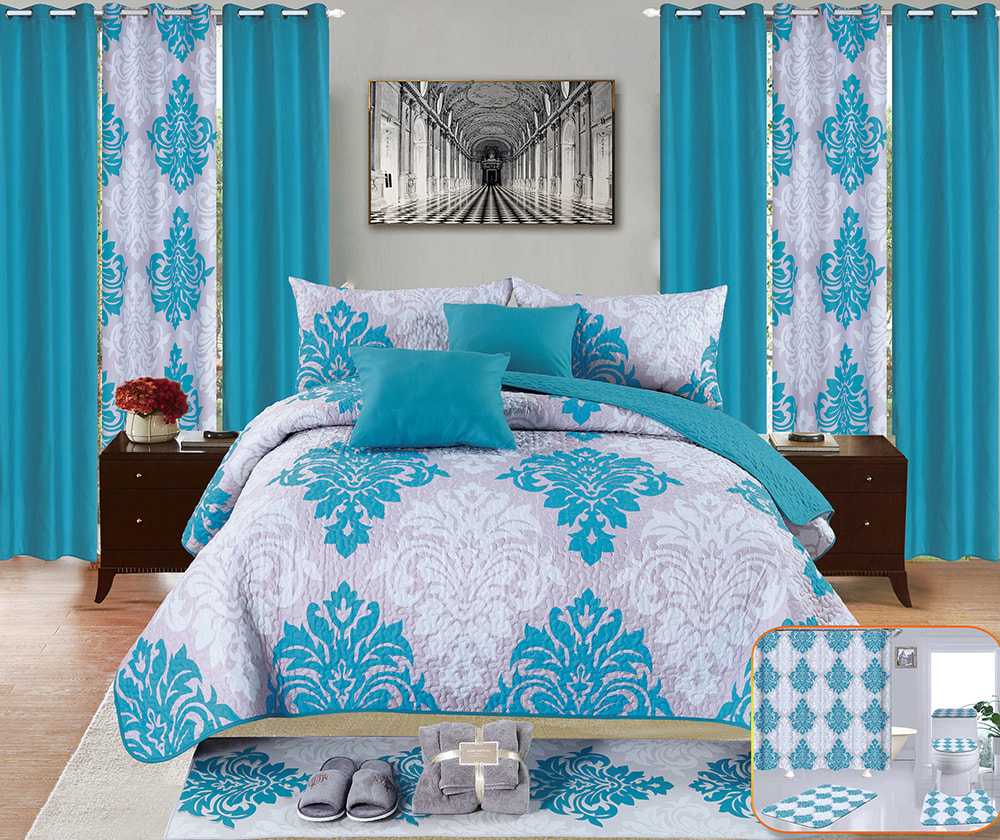

Among all bedding components, the bed sheet is the item that comes into contact with the human body more extensively and more frequently; consequently, the choice of its material, craftsmanship, and dimensions directly determines the tactile experience of falling asleep each night. When purchasing bedding, many consumers tend to focus their attention primarily on duvet covers or bedspreads, often overlooking the critical importance of the bed sheet itself. In reality, a bed sheet with a comfortable texture and a proper fit serves as the fundamental starting point for creating an ideal sleep environment.
Fabric Types and Their Applications
Bed sheets come in a wide variety of fabric types, each possessing its own specific applications and tactile characteristics.
Pure cotton sheets are the more widely adopted choice for home use. They boast good moisture-wicking and breathability properties, offering a comfortable, close-fitting feel against the skin. Furthermore, they are less prone to retaining chemical odors after washing, making them suitable for people of all skin types—particularly those with sensitive skin or those who tend to perspire heavily. With repeated laundering, pure cotton fabrics naturally soften; indeed, the longer they are used, the softer and more supple their texture often becomes.
Washed cotton sheets are created by subjecting standard cotton to a specialized washing process. This treatment imparts a subtle, slightly stone-washed texture to the surface, resulting in a softer, more skin-friendly feel. Additionally, this fabric naturally resists wrinkling, making daily maintenance significantly more convenient. With their understated and natural aesthetic, these sheets are well-suited for home interiors that embrace small Nordic or Japanese Wabi-sabi design styles.
Bamboo fiber sheets are manufactured from extracted bamboo pulp. They possess natural antibacterial properties as well as good moisture-wicking and quick-drying capabilities. With their silky-smooth and lightweight feel, they are an ideal choice for use during hot summer months or for individuals with a naturally warmer body constitution. Moreover, their inherent antibacterial qualities offer a degree of auxiliary protection for those who are particularly sensitive to dust mites and bacteria.
Flannel and brushed cotton sheets are good suited for the autumn and winter seasons. These fabrics undergo a brushing process that creates a dense, soft nap on the surface, resulting in a warm, substantial texture. Unlike smooth fabrics, they do not produce a jarringly cold sensation upon contact with the skin in chilly climates, thereby helping users quickly transition into a comfortable state of sleep even in low-temperature environments.
Size Selection: A Proper Fit Ensures Comfort
The selection of the appropriate sheet size is another factor that must not be overlooked. Bed sheets generally fall into two main categories: flat sheets (traditional loose-drape sheets) and fitted sheets (sheets featuring elasticized corners designed to hug the mattress). Fitted sheets are designed to snugly encase the mattress, preventing them from slipping or shifting out of place; they are an ideal choice for households with children or for individuals who tend to toss and turn frequently during sleep. Flat sheets, conversely, offer greater flexibility in placement; their coverage can be adjusted as needed, and they lend a more classic and traditional aesthetic to the bedroom.
Regarding size matching, it is recommended that the dimensions of the sheet extend approximately 25–30 cm beyond each side of the mattress. This ensures there is sufficient excess fabric to tuck securely beneath the mattress, resulting in a smooth, taut, and goodly fitted appearance.
For individuals prone to allergies—or for families residing in environments with high dust levels—a hypoallergenic bedspread represents a bedding investment well worth prioritizing. Beyond fulfilling the standard decorative and thermal functions of a typical bedspread, these specialized covers feature materials and manufacturing processes specifically engineered to combat allergens, thereby providing an additional layer of health protection within the sleeping environment.
What is a Hypoallergenic Bedspread?
Hypoallergenic bedspreads are typically crafted from specially treated fabrics or filling materials. Their primary advantage lies in their ability to effectively small the accumulation and proliferation of common allergens found in bedding. Common allergens include dust mites, mold spores, pet dander, and pollen; these substances tend to thrive and accumulate within standard bedding, potentially triggering symptoms such as nasal itching, eye irritation, skin rashes, or even respiratory reactions in allergy sufferers.
Hypoallergenic bedspreads mitigate these risks by employing high-density weave structures that physically block dust mites from penetrating the fabric, or by utilizing functional fabrics treated with antimicrobial and anti-mite agents. This effectively reduces the likelihood of allergens coming into contact with the human skin and respiratory system. Furthermore, some hypoallergenic bedspreads incorporate organic cotton or certified low-irritancy filling materials to further small the potential for chemical residues to irritate sensitive skin.
Key Considerations for Fabric and Filling Materials
When selecting a hypoallergenic bedspread, the choice of fabric and filling material constitutes two critical factors to evaluate.
In terms of fabric, high-thread-count long-staple cotton is a frequently utilized outer material for hypoallergenic bedspreads. Thanks to its exceptionally fine fibers and high weave density, this fabric effectively acts as a barrier, preventing external particles from penetrating the bedding.
Regarding filling materials, while traditional down filling is fluffy and provides good warmth, the feathers themselves can act as allergens for certain individuals. Moreover, down is difficult to clean thoroughly, making it less suitable for people with allergic constitutions. In contrast, hypoallergenic bed covers typically utilize hollow polyester fibers, organic cotton batting, or antimicrobial-treated microfibers for their filling. These materials not only offer consistent hypoallergenic performance but are also easier to machine wash, thereby facilitating the regular and thorough removal of accumulated allergens.
Washing Frequency and Daily Maintenance
The protective efficacy of hypoallergenic bed covers must be maintained through regular cleaning. It is recommended to wash the bed cover every 2 to 4 weeks; when washing, using hot water at temperatures above 60°C helps to eliminate residual dust mites and bacteria. However, it is important to note that some specialized hypoallergenic fabrics are not heat-resistant; therefore, one should always refer to the product's care label to select the appropriate washing temperature.
When drying, whenever possible, choose a well-ventilated outdoor environment to utilize natural sunlight for sterilization. If using a tumble dryer, it is advisable to select a low-heat setting to prevent high temperatures from damaging the fabric fibers. During periods of non-use, store the bed cover in a breathable cotton storage bag to avoid moisture accumulation and mold growth, which can occur if stored in sealed plastic bags.



