 English
 русский
 Español
 عربى


Seam Tension and Fabric Relaxation in Household Textile Supplies
Household Textile Supplies cover a broad group of products, from flat sheets and duvet covers to curtains, quilts and waterproof mattress protectors, and the performance of each piece is largely settled before it reaches a bed or a window. How a fabric reacts to water, how accurately panels are cut and how seams are built decide what a product looks like after many washes as much as on the day it is unpacked. Dongyangshi Menghui Textile Co., Ltd. develops and produces bed sheets, quilt covers, pillowcases, cushions, quilts, waterproof mattress protectors and curtains in Dongyang, Zhejiang, and its production routine is organized around these points.
Fabric Behavior Comes Before Appearance

Cotton, polyester microfiber and blended fabrics respond differently to heat, friction and moisture. Cotton relaxes and can shrink in the first laundering, microfiber can pill when the surface finish is thin, and deep prints can release color in early washes. These are industry-wide traits of Household Textile Supplies, and Menghui handles them at the material stage. Incoming fabric is checked for hand-feel, shade and width before cutting begins, and cut dimensions leave room for the relaxation a given fabric undergoes after washing, so a sheet cut for a queen mattress still fits a queen mattress later.
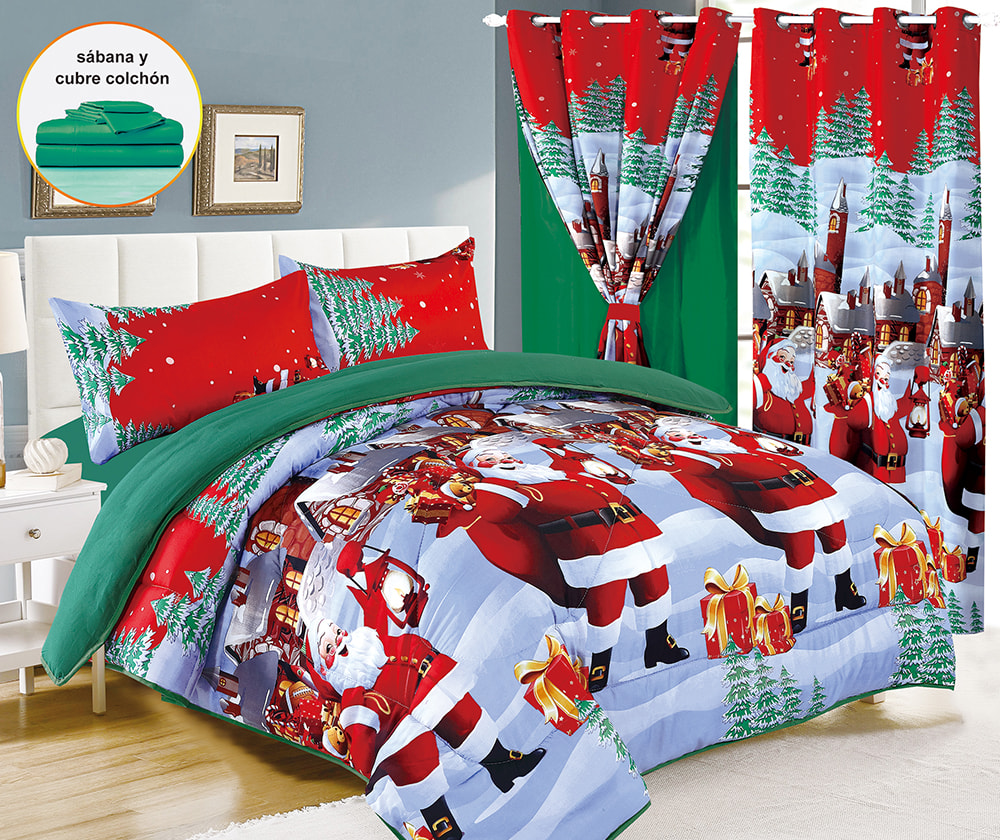
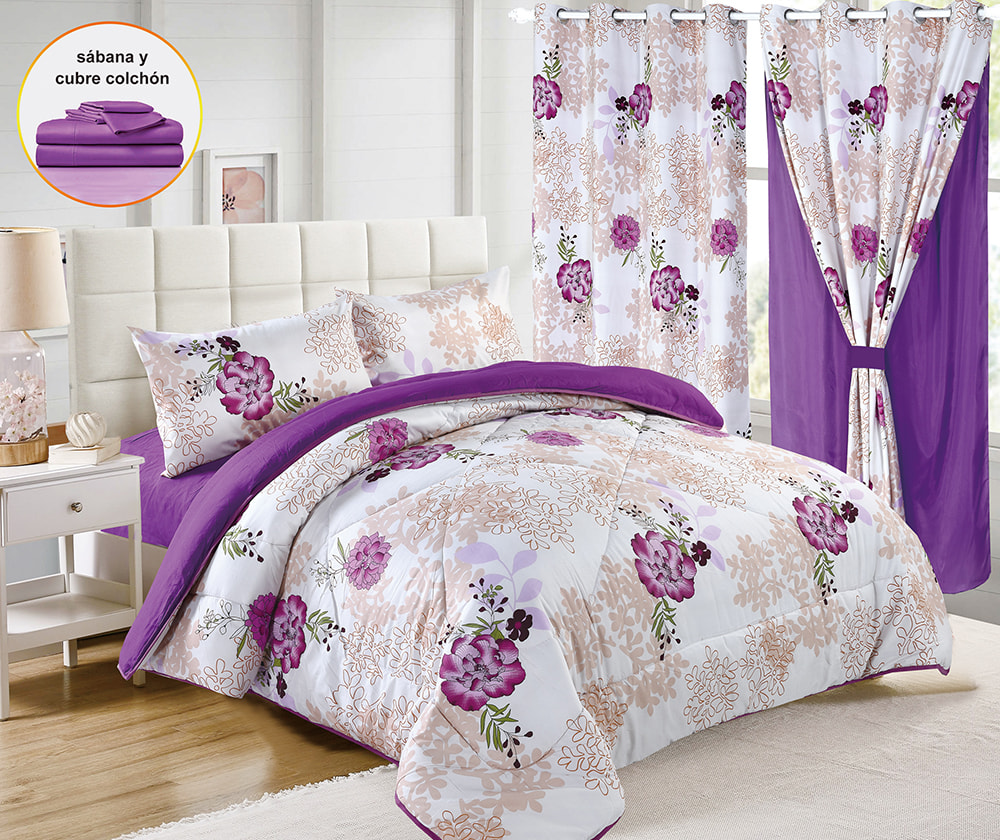
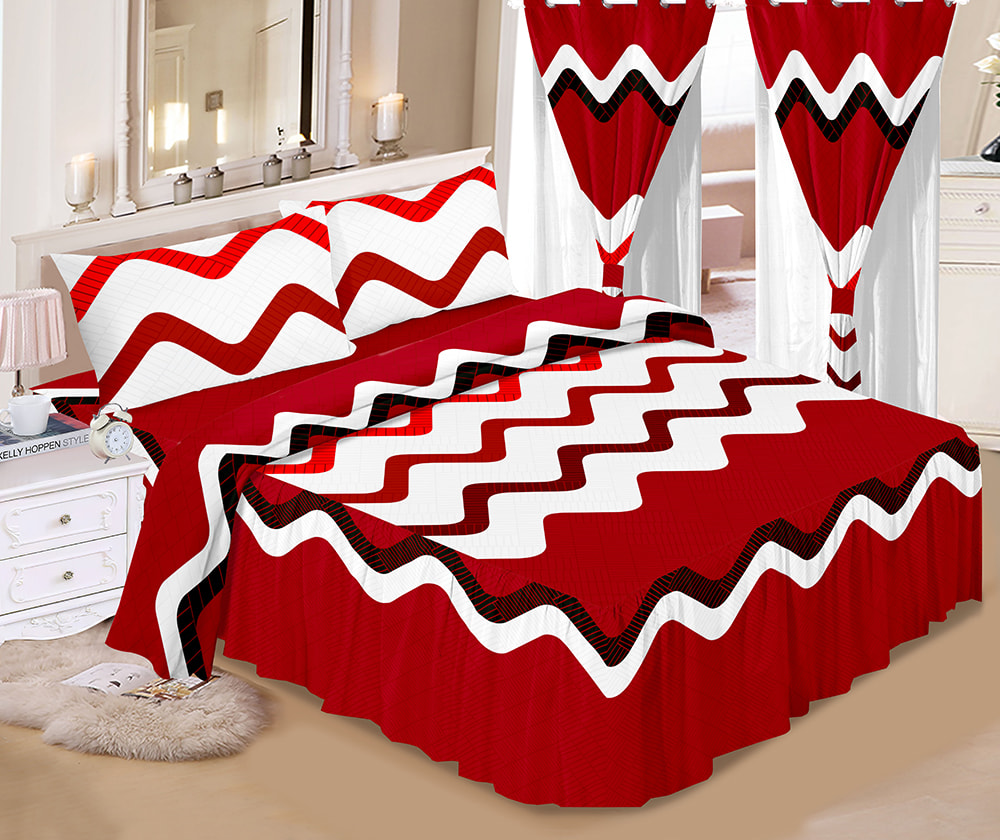
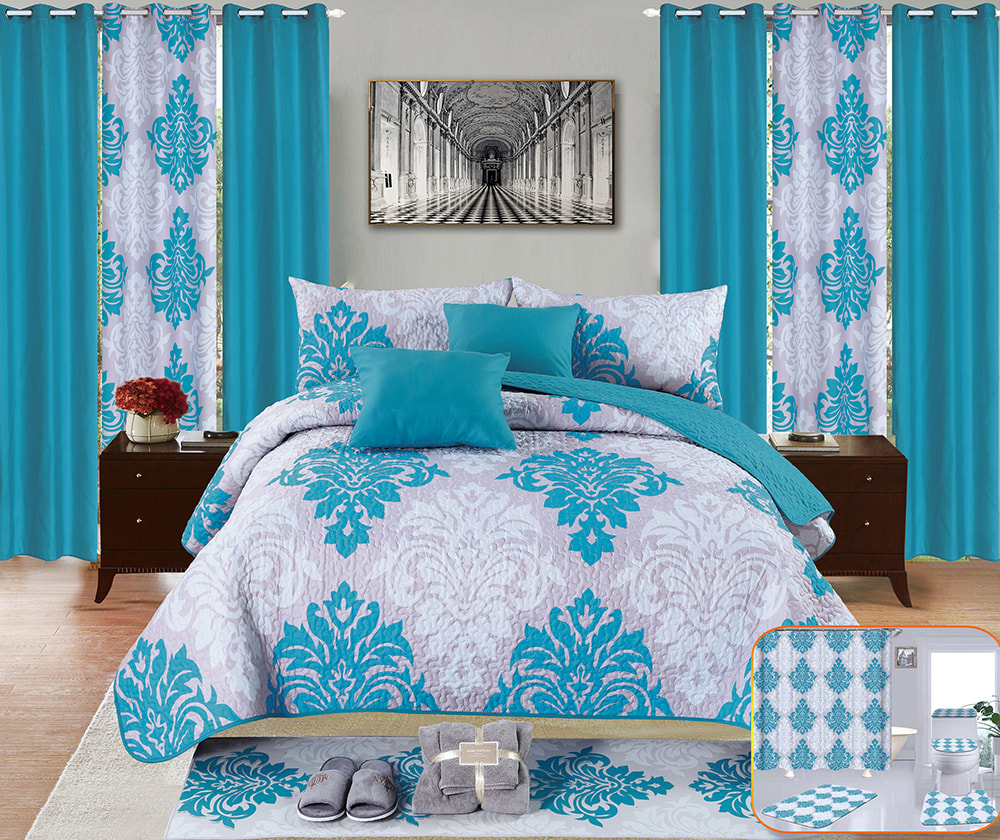
Printed sets add a second task. A duvet cover, flat sheet and pillowcases that are meant to match need panels taken from the same fabric lot, with pattern repeats lined up at the seams. Menghui plans the cutting layout around the print repeat so motifs sit in the same position from piece to piece within a set. For Household Textile Supplies sold as coordinated sets, this planning keeps the bed looking like one design rather than several.
Cutting and Stitching Shape Daily Use
Seam quality is often judged by touch, yet it follows from machine setup. Thread tension that does not suit the fabric weight causes puckering along a hem, and a stitch length that is too long lets seams open at stress points such as fitted sheet corners and duvet cover closures. The plant covers more than 10,000 square meters and is equipped with intelligent production equipment, which allows stitch settings to be matched to each fabric instead of being shared across the whole range. In Household Textile Supplies that see weekly laundering, these small settings decide how long the seams hold.
Quilts and comforters are the filled pieces among Household Textile Supplies, and they rely on quilting lines to hold the fill in place. Wide gaps between lines let the fill drift toward the edges, while a very dense pattern flattens loft. Menghui sets the quilting pattern according to the fill and shell fabric used, so the product keeps an even thickness across the surface.
Waterproof mattress protectors bring a different concern. The barrier layer has to stay continuous on the sleeping surface, and seams are the area where many designs lose that continuity. Seam placement on Menghui's waterproof fitted sheets is planned with the barrier layer in mind, and the elastic skirt is cut to the mattress depth the product is made for.
Curtains follow similar logic. Hem allowances, header tape and lining alignment determine whether a panel hangs straight, and double-layer designs need the two layers cut and joined so that one does not sag below the other. These Household Textile Supplies are cut and sewn with the finished drop and width in mind rather than adjusted afterward.
Custom Orders Follow the Customer Sample
Many bedding programs begin from a customer's sample rather than a catalog item. Menghui provides custom-made services for home textile products based on customer samples, with development, sampling and bulk production handled within the same site. Because the people who make the sample work close to the people who run the line, adjustments to fabric, print or trim carry into bulk production without being relayed across several factories. More than 100 production staff are supported by a foreign trade team that works with export customers.
Sizing is another point where the work differs by region. A queen sheet set for North America and a 160 by 200 centimeter set for many European markets do not share dimensions, so cutting tables and pattern files are kept by market. Menghui prepares them per destination, which keeps a sample-approved product consistent when an initial order turns into a repeat order. Keeping those files organized by market is routine work for Household Textile Supplies that ship to several countries, and it is the reason a sheet ordered twice arrives with the same fit both times.
Contact Us for More Details
Don't hesitate to contact when you need us!
Contact Information
Add:
Building 1, East Area, Wanyang Zhongchuang City, Economic Development Zone, Dongyang City, Zhejiang Province, China
Phone:
Tel:
E-mail:
Quick Links
Product Category
QR Code


+86-13616899966
+86-579-86610966
