
 English
 русский
 Español
 عربى
عربى
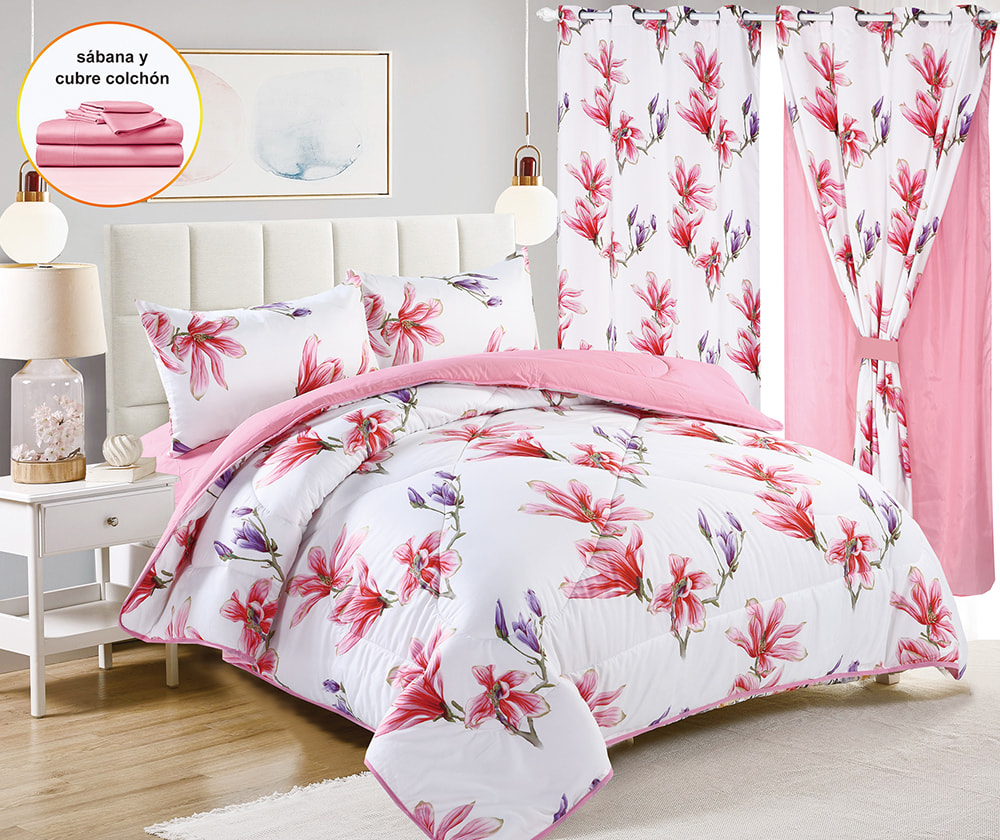
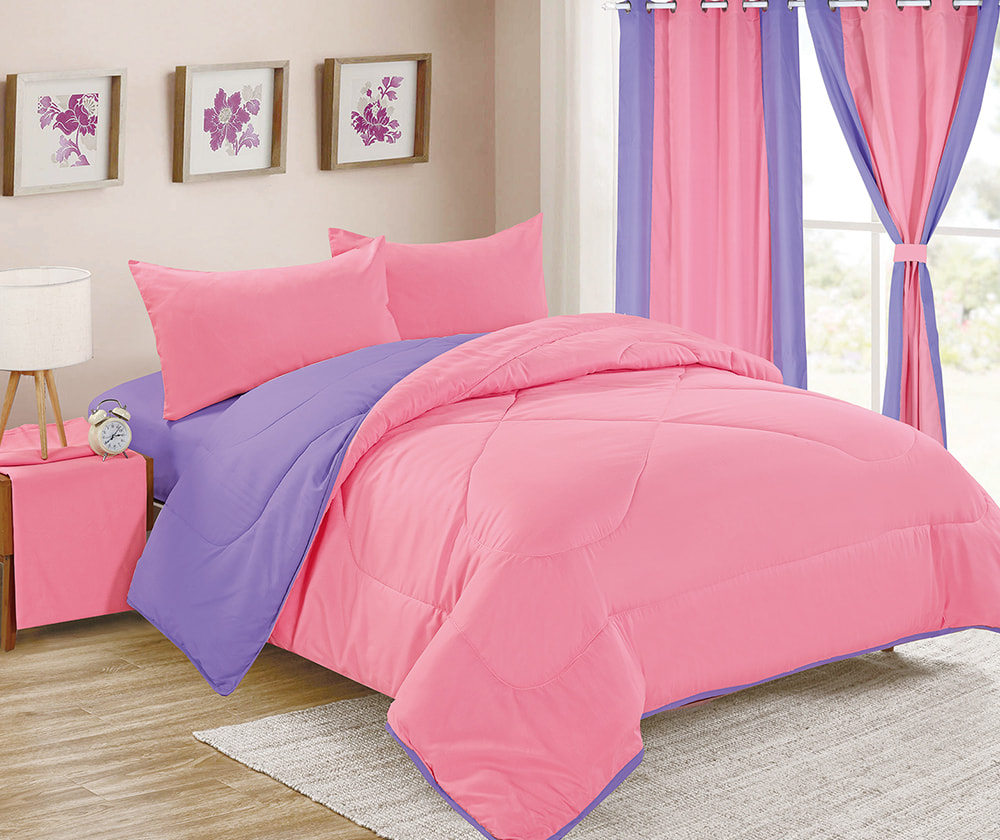
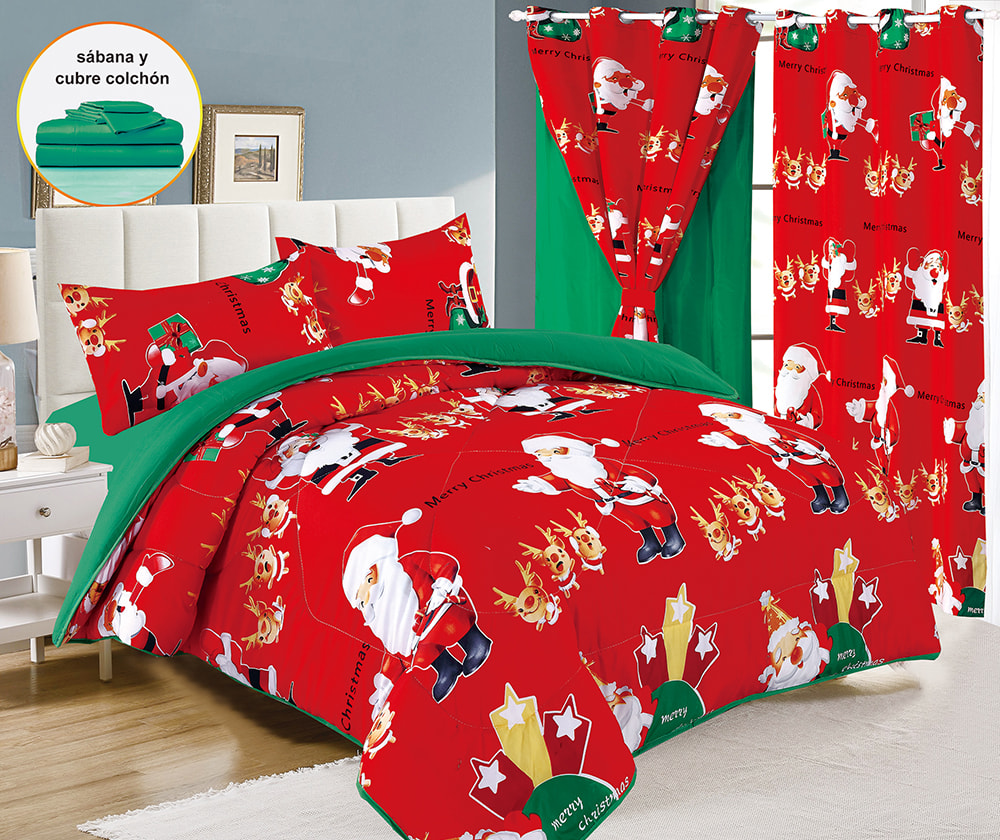
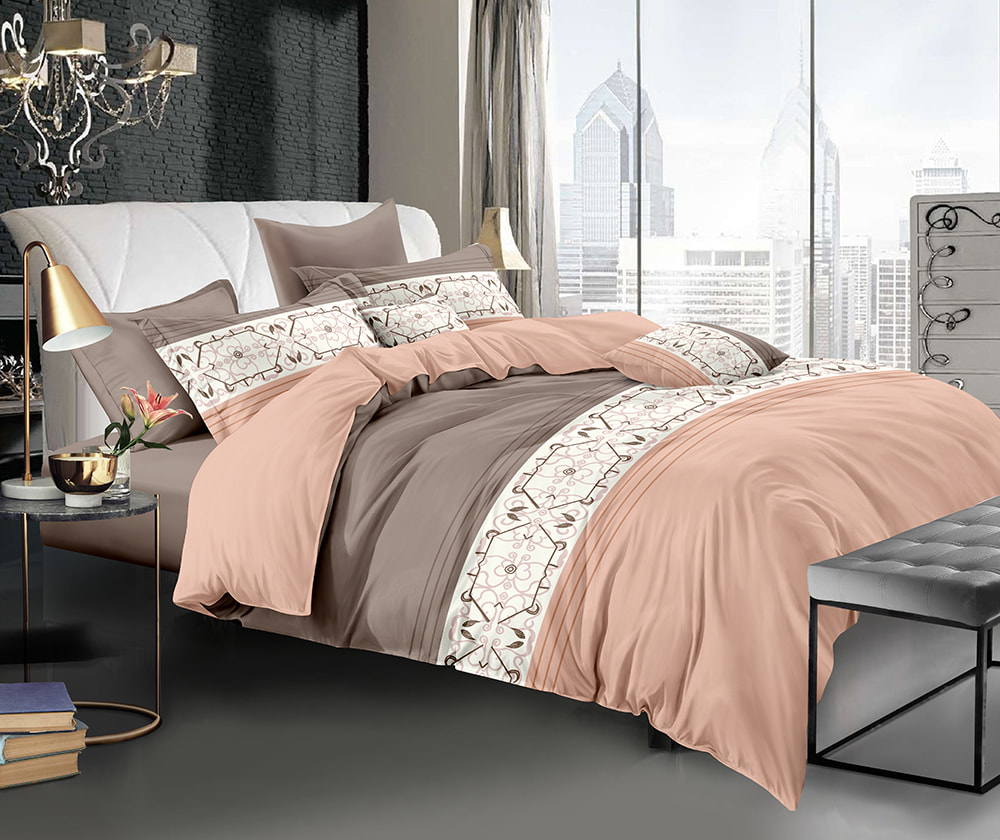

Comforters and Wadded Quilts represent two distinct categories of bedding within modern home sleep systems; they exhibit marked differences in structural design, filling methods, thermal insulation principles, and visual aesthetics. The former prioritizes lightweight construction and versatile usage, while the latter emphasizes substantial warmth and structural stability.
Structure and Functional Principles of the Comforter
A Comforter typically refers to a bedding core product composed of an "outer fabric shell + internal filling + quilted fixation structure." Its core design objective is to achieve consistent thermal insulation through the uniform distribution of filling material, while simultaneously maintaining a relatively lightweight user experience.
The structure of a Comforter is not merely a simple layering of filling; rather, through controlled fiber distribution and zonal quilting techniques, it creates a stable layer of trapped air around the body. This mechanism smalls heat loss and enhances overall sleep comfort.
Functional Role of the Outer Fabric
The outer fabric of a Comforter typically serves the following functions:
- Controlling tactile softness
- Providing basic breathability
- Serving as the canvas for printed quilt patterns
- Influencing the overall visual style
Common outer materials include cotton fabrics, polyester blends, and microfiber textiles. Notably, the "Printed Quilt" technique is frequently applied to the outer layer; by utilizing printing methods to create diverse visual effects, it endows the Comforter with not only practical utility but also significant decorative value.
Common styles for Printed Quilts include:
- Geometric patterns
- Natural botanical textures
- Abstract gradient designs
- Child-themed graphics
Structural Logic of the Internal Filling Layer
The filling layer constitutes the performance core of a Comforter; the choice of filling material determines the distinct overall user experience of the product:
- Synthetic Fiber Filling: Offers structural stability and moderate weight.
- Microfiber Filling: Provides good softness and good drapability (body-conforming fit).
- Composite Filling Structures: Balances both resilience and supportive properties.
The filling material is anchored within specific zones via quilting stitches, preventing displacement during use and thereby ensuring uniform thickness throughout the product.
Summary of Comforter Features and Characteristics
- Lightweight construction, suitable for multi-seasonal use
- Soft to the touch; drapes closely to the body
- Can be used with a duvet cover or directly on its own
- Features a wide variety of pattern designs (including Printed Quilts)
Structure and Thermal Insulation Mechanism of Wadded Quilts
A "Wadded Quilt" typically refers to a thick bedding product that utilizes cotton batting or loose fibers as its primary filling material. Its structural design emphasizes "uniform density + consistent thickness + sustained thermal retention capabilities." Compared to a Comforter, a Wadded Quilt is notably heavier and thicker overall, making it better suited for low-temperature environments or scenarios involving long-term, stationary use.
Outer Fabric and Structural Stability
The outer shell of a Wadded Quilt typically consists of thicker cotton fabric or blended textiles. Its primary functions include:
- Securing the internal cotton batting structure
- Enhancing overall durability
- Serving as the canvas for decorative "Printed Quilt" designs
- Adding visual depth and layering
When applied to Wadded Quilts, printed designs are typically presented as a continuous, all-over pattern. This approach lends a more contemporary aesthetic to traditional thick quilts, featuring styles such as:
- Low-saturation botanical prints
- Redesigned traditional motifs
- Simple, repeating geometric patterns
- Cartoon-style layouts for children
Internal Batting Structure and Logic
The filling structure within a Wadded Quilt typically features a higher density. Its core characteristics include:
- High uniformity of filling distribution
- Resistance to localized compression or "caving in"
- Extended thermal retention duration
- A distinct sense of substantial thickness
Common filling types include natural cotton batting, synthetic batting, and hybrid batting structures; among these, the hybrid structure offers a well-balanced performance in terms of both structural stability and comfort.
Summary of Functional Features of Wadded Quilts
- Strong thermal insulation capabilities; suitable for low-temperature environments.
- Stable structure; resistant to deformation.
- Substantial thickness; provides a strong sense of coverage.
- Visual style can be enhanced with a modern aesthetic through the use of Printed Quilts.
Comparative Analysis of Performance: Comforters vs. Wadded Quilts
The table below provides a systematic comparison of the key performance attributes of these two product types:
| Comparison Dimension | Wadded Quilt | Wadded Quilt |
| Structure | Layered-fill construction | High-density wadding construction |
| Weight | Relatively lightweight | Significantly heavier |
| Insulation Mechanism | Fluffy air-trap insulation | Dense, thick thermal retention |
| Usage Flexibility | High | Moderate |
| Suitable Environment | All seasons / Mild climates | Winter / Low-temperature environments |
| Appearance Design | Diverse (including Printed Quilts) | Blend of traditional and modern prints |
| Maintenance Difficulty | Moderate | High |
Design Application of Printed Quilts in Both Product Categories
As a surface pattern treatment technique, the use of printed designs plays a significant visual role in both Comforters and Wadded Quilts; however, the approach to their expression differs between the two.
Design Logic for Comforters
- Emphasizes a lightweight visual aesthetic.
- Patterns tend to be more modern and small.
- Offers a wider range of color choices.
- Places greater emphasis on a sense of "variety" and "seasonality."
Design Logic for Wadded Quilts
- Emphasizes a stable and solid overall visual structure.
- Patterns typically feature repetitive or regular designs.
- Colors tend to be softer or more traditional.
- Places greater emphasis on "overall visual harmony."



