 English
 русский
 Español
 عربى


How Is Washed Microfiber Duvet Cover Production Controlled?
In home textile manufacturing, fabric appearance can change noticeably between the beginning and end of a production process. Washing treatments, drying conditions and fabric handling all influence the final surface. For bedding products supplied in large quantities, keeping these characteristics consistent across different production batches is an important part of quality control.
A Washed Microfiber Duvet Cover requires attention to both the microfiber fabric and the finishing process applied after fabric preparation. The washed appearance is not determined by the material name alone. Processing conditions influence how the surface looks, feels and behaves when the finished bedding is used.
Washing Changes The Surface Appearance
Microfiber fabrics are commonly made from fine synthetic fibers, often polyester. Their relatively fine filament structure gives manufacturers flexibility when producing lightweight bedding fabrics with different surface characteristics.
During washing and finishing, the fabric may develop a softer, less rigid appearance than untreated material. However, the final result depends on the fabric construction, finishing recipe and processing conditions.
For a Washed Microfiber Duvet Cover, consistency in the washing process matters because differences in treatment can produce variations in surface texture, color appearance and fabric dimensions.
If washing conditions change between batches, the finished covers may not look identical even when they originate from the same fabric specification. Production teams therefore need to monitor processing conditions rather than treating washing as a simple cleaning operation.
Fabric Dimensions Need Attention After Wet Processing
Synthetic fabrics can experience dimensional changes during washing and drying. Temperature, mechanical movement and drying conditions may influence the final width and length.
These changes become particularly relevant when fabric is prepared for cutting. If the material dimensions are not sufficiently stable, pattern pieces may no longer match the intended measurements during sewing.
Manufacturers producing a Washed Microfiber Duvet Cover need to consider fabric shrinkage before determining cutting dimensions. Allowances should be based on actual material testing rather than assumptions about all microfiber fabrics behaving identically.
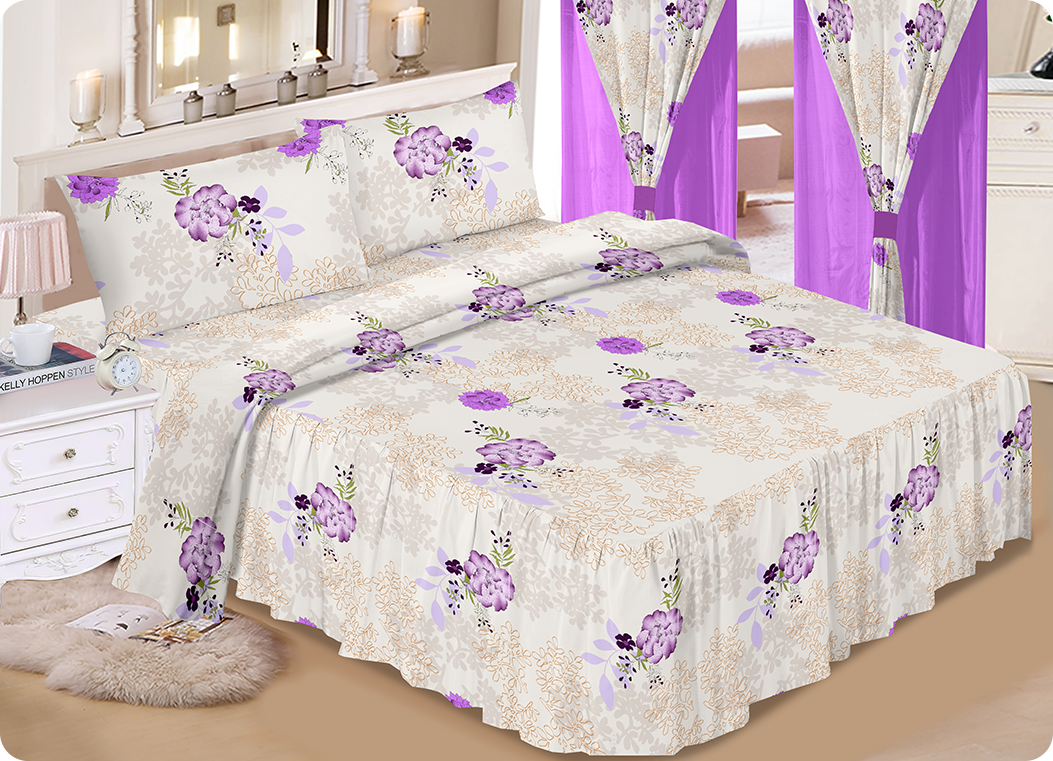
Fabric relaxation and dimensional checks also matter when several fabric batches are used for the same order. Differences in finished width can affect material utilization and create difficulties during production planning.
Color Consistency Becomes More Visible In Large Orders
Bedding products are often supplied in coordinated collections, where duvet covers, pillowcases and other items share similar colors. Even relatively small color differences can become noticeable when these pieces are displayed together.
Washing and finishing may influence how a dyed microfiber fabric appears after processing. The effect depends on the dyeing method, fabric construction and treatment conditions.
For Washed Microfiber Duvet Cover production, color assessment should take place after the relevant finishing stage. Checking fabric before washing alone may not provide a complete picture of the final appearance.
When repeat orders are involved, keeping approved color references and production records helps manufacturers compare different batches. This is particularly useful for overseas buyers managing the same bedding collection across multiple deliveries.
Cutting And Sewing Must Follow The Finished Fabric Condition
Once fabric finishing is complete, the material moves into cutting and sewing. The condition of the fabric at this stage influences how accurately panels can be assembled.
Uneven fabric relaxation, edge distortion or inconsistent dimensions may affect alignment during cutting. During sewing, these differences can become visible around the duvet opening, side seams and corner areas.
A Washed Microfiber Duvet Cover should therefore be evaluated as a finished textile product rather than only as a piece of processed fabric.
Production inspection can include panel dimensions, seam alignment, stitching consistency and closure positioning. These checks help identify issues that may not be visible during the earlier fabric preparation stages.
Batch Inspection Connects Fabric Finishing With Finished Products
In export-oriented home textile production, quality inspection involves more than checking whether individual covers have been sewn correctly.
Manufacturers need to consider the relationship between incoming fabric, finishing records and completed products. If a problem appears in the finished goods, production records can help identify whether it originated during washing, cutting or sewing.
For a Washed Microfiber Duvet Cover, useful inspection points include:
- Fabric dimensions after washing and drying.
- Surface appearance and consistency between batches.
- Color differences against approved references.
- Seam quality and finished product measurements.
- Packaging condition before shipment.
These checks are particularly relevant when large orders involve multiple production batches or repeat deliveries.
As home textile orders become more varied in color, size and fabric specification, coordination between finishing and sewing departments remains an important part of manufacturing control. The final appearance of a washed microfiber bedding product depends on decisions made throughout the production process, from fabric preparation to the inspection of completed duvet covers.



Contact Us for More Details
Don't hesitate to contact when you need us!
Contact Information
Add:
Building 1, East Area, Wanyang Zhongchuang City, Economic Development Zone, Dongyang City, Zhejiang Province, China
Phone:
Tel:
E-mail:
Quick Links
Product Category
QR Code


+86-13616899966
+86-579-86610966
