
 English
 русский
 Español
 عربى
عربى
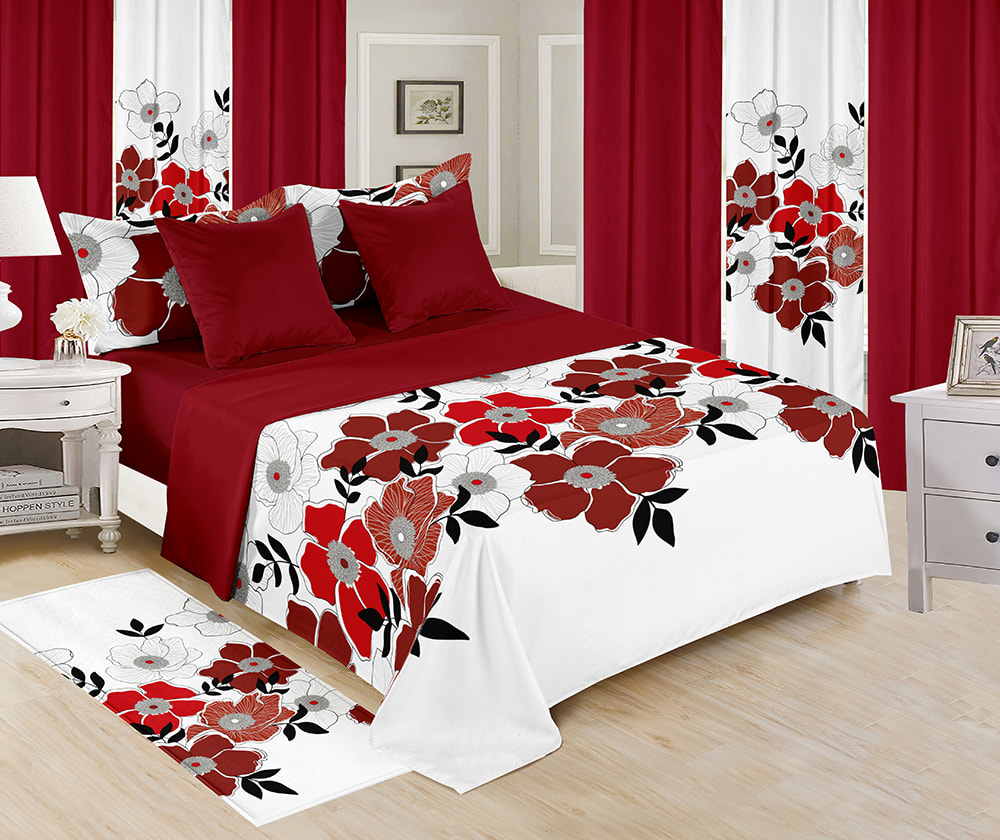
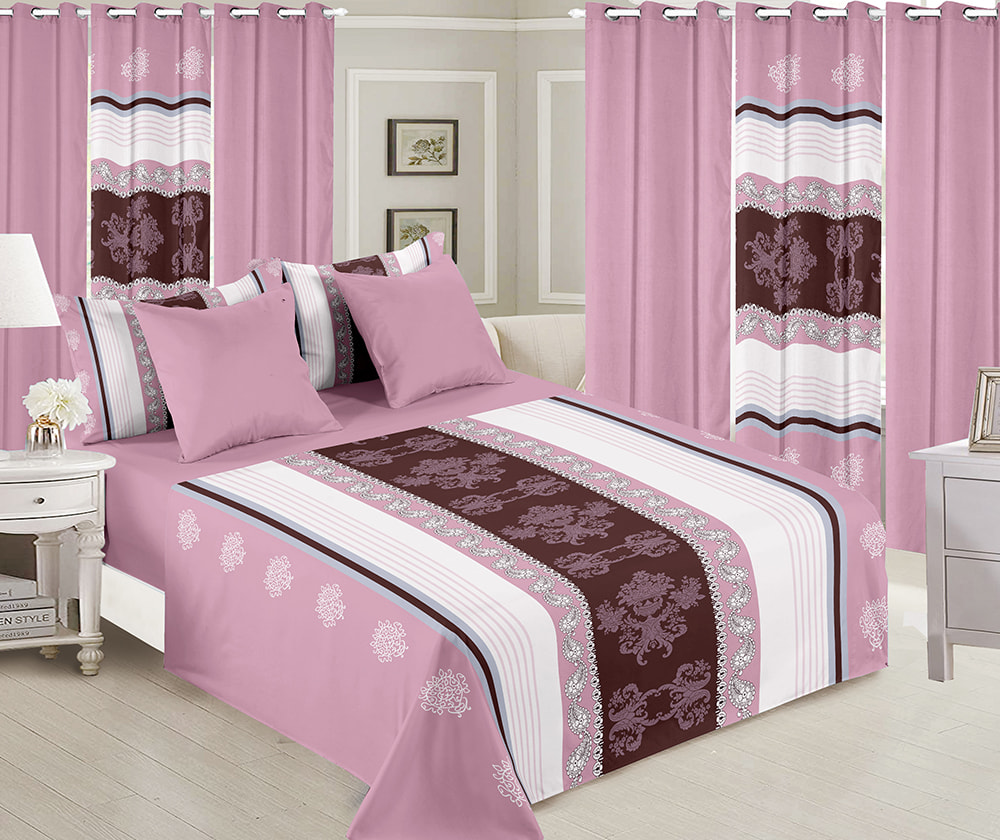
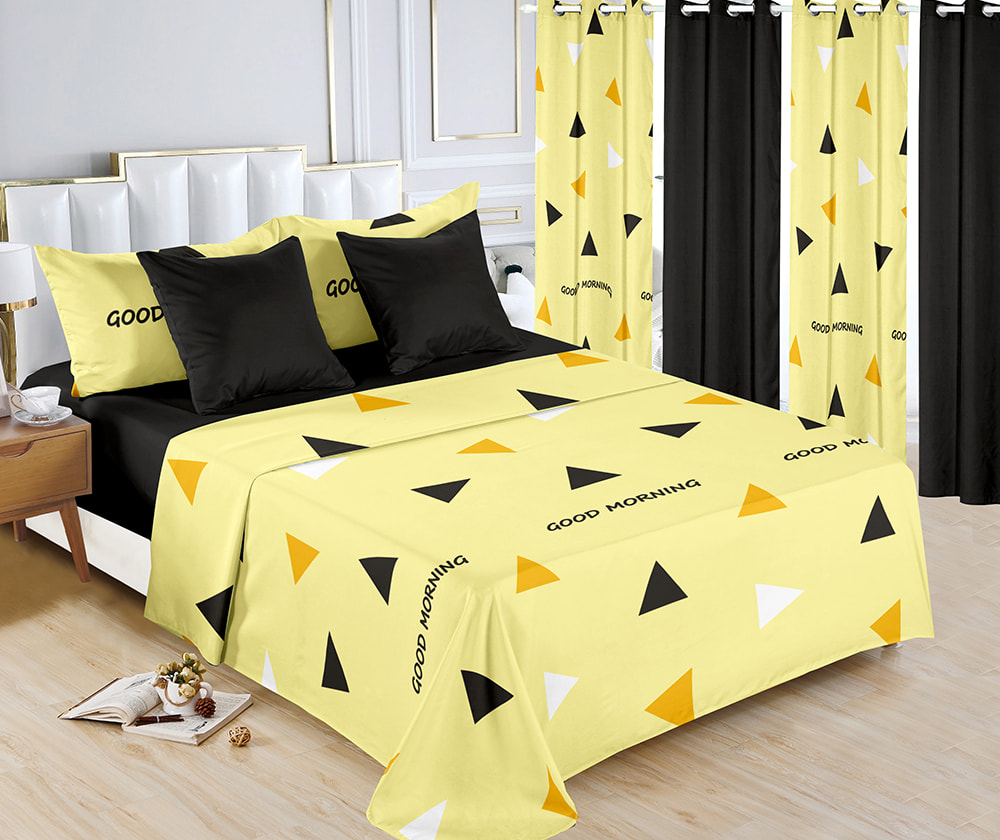
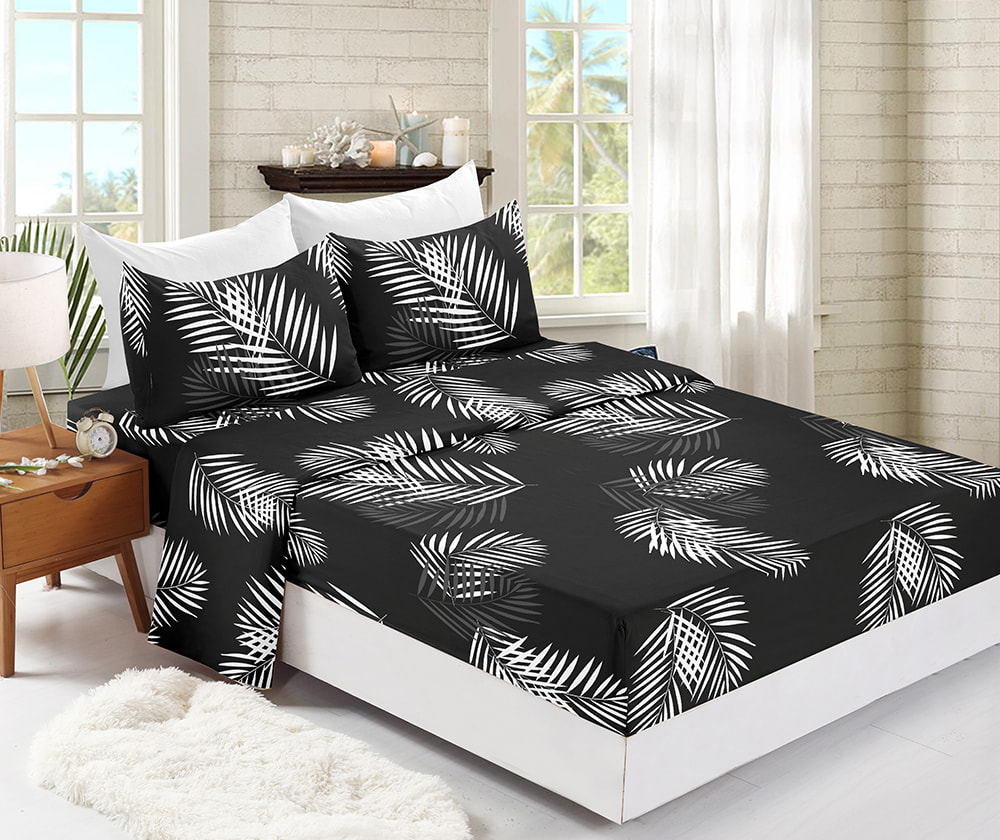
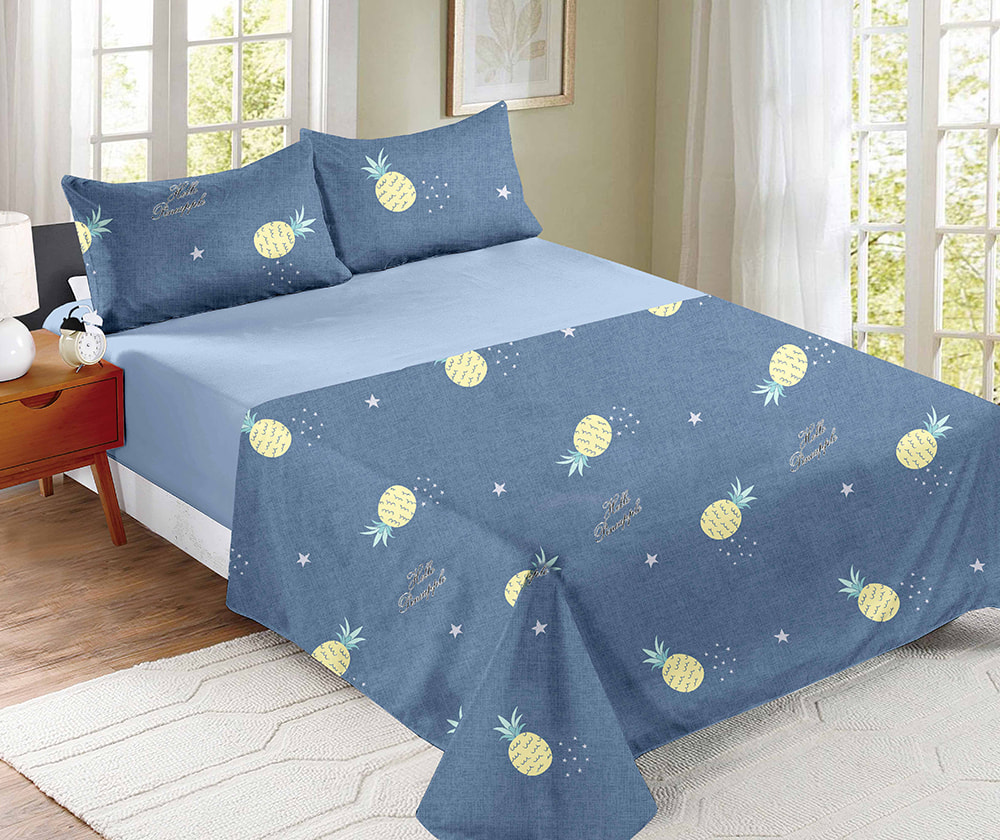
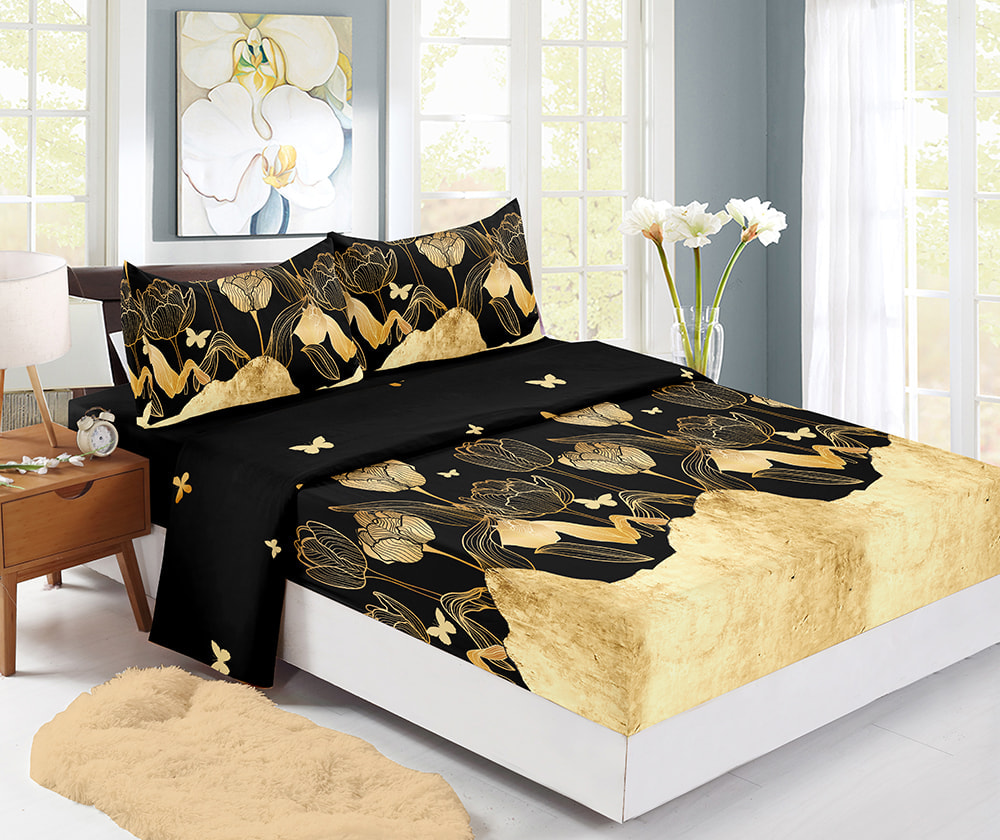
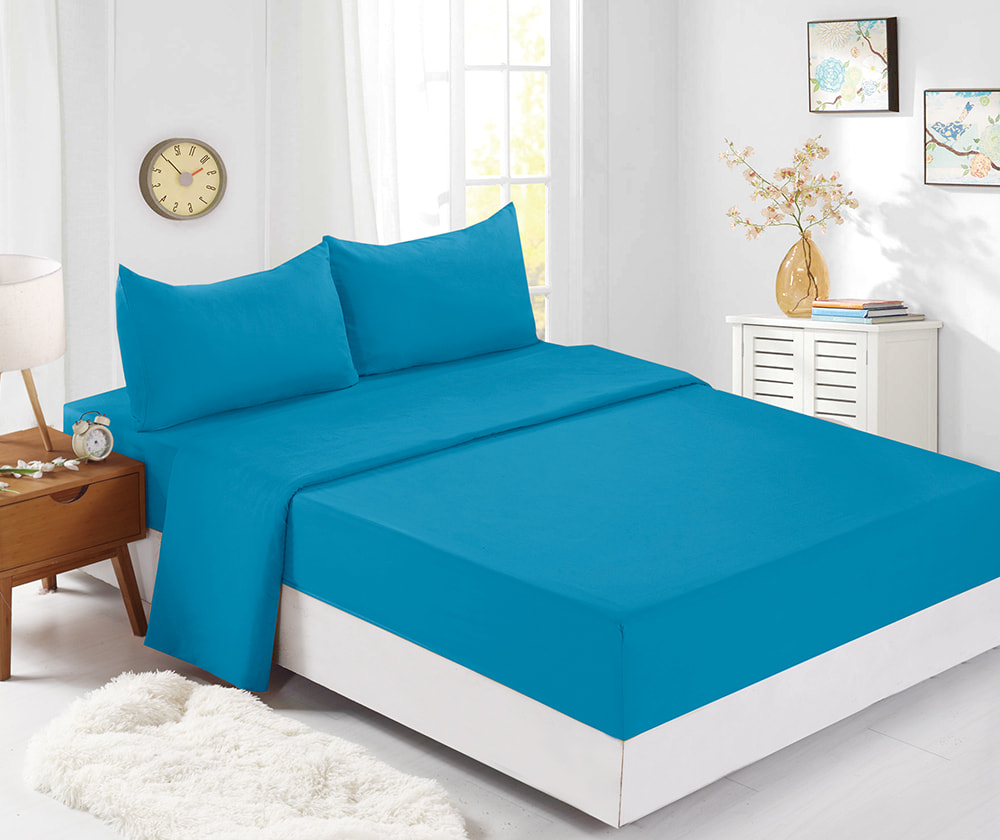

The fitted sheet, with its unique elasticized corner design, has become an indispensable and practical accessory in modern bedrooms. It snugly envelops the mattress, remaining smooth and secure no matter how often one tosses and turns, thereby completely eliminating the common frustrations associated with standard flat sheets—namely, their tendency to shift and wrinkle. Furthermore, when combined with decorative printing techniques, the fitted sheet transcends mere utility to add a vibrant splash of visual color to the bedroom.
A bedding set constitutes the core ensemble of bedroom soft furnishings. Typically, it includes essential items such as a duvet cover, a flat or fitted sheet, and pillowcases; some sets may also feature a bed skirt, decorative cushion covers, or a throw blanket, creating a cohesive and fully coordinated sleeping environment. Compared to purchasing individual items separately, bedding sets are holistically designed in terms of color, pattern, and material; this saves consumers the time and effort of having to mix and match items themselves, making it much easier to achieve a harmonious and unified visual aesthetic.
The Foundation of Comfort in Bedding Sets
The comfort experience provided by a bedding set depends, one and foremore, on the choice of fabric. Currently, the more common fabric types found in bedding sets on the market include the following:
- Pure Cotton: Classic and durable, pure cotton boasts good moisture absorption and breathability, as well as a skin-friendly texture that makes it suitable for daily use by people of all ages. With repeated washing, pure cotton gradually becomes softer; after prolonged use, its tactile quality grows increasingly gentle and natural.
- Washed Cotton: Built upon a pure cotton base, this fabric undergoes special "stone washing" or "enzyme washing" treatments to create a surface with a subtle, vintage-style texture. It feels soft yet resilient to the touch and possesses a natural resistance to wrinkling; once laid out, it requires small ironing, making daily maintenance effortless—a quality highly prized by consumers seeking a relaxed and easygoing lifestyle.
- Brushed Cotton: After undergoing a brushing process, this fabric develops a surface layer with a fine, velvety nap. Its touch is as gentle as a soft caress, and its thermal insulation properties are significantly good to those of standard cotton fabrics. It is an ideal choice for the autumn and winter seasons, or for individuals with heightened tactile sensitivities, as it prevents the initial sensation of coldness when getting into bed on a winter night, thereby helping one quickly transition into a state of relaxation.
- Bamboo Fiber & Modal Blends: These fabrics feature a lightweight, silky-smooth texture and a natural, subtle sheen. Combining good breathability with inherent antibacterial properties, they represent an ideal choice for summer bedding sets or for individuals with sensitive skin. This type of fabric dries quickly, ensuring a relatively dry and comfortable user experience even in humid climates.
Printed fitted sheets have emerged in recent years as a product category garnering significant attention within the home textile market. Building upon the fitted sheet's inherent function of securely anchoring to the mattress, these products utilize a rich variety of printed patterns to endow bedding with enhanced visual expressiveness, thereby enabling a more direct and vivid expression of personal style within the bedroom.
Types and Characteristics of Printing Processes
The visual impact of a printed fitted sheet depends largely on the specific printing process employed; different techniques possess distinct advantages and disadvantages regarding color reproduction, wash durability, and tactile feel.
Reactive printing is currently the more widely utilized printing method in the bedding sector. In this process, dyes undergo a chemical reaction with the fabric fibers, resulting in high color fastness and resistance to fading after washing. Furthermore, the fabric retains its soft, skin-friendly texture post-printing, ensuring that user comfort remains uncompromised. Reactive printing is capable of rendering subtle color gradients and intricate pattern details, making it ideal for reproducing complex designs such as floral motifs, landscapes, and geometric patterns.
Digital printing employs digital inkjet technology to apply patterns directly onto the fabric surface. It offers high color fidelity and supports complex multi-color gradients as well as high-precision pattern output, making it particularly well-suited for personalized customization or artistic designs. With its short production cycles and flexibility for small-batch customization, digital printing represents an ideal choice for consumers seeking a truly unique aesthetic.
Transfer printing involves transferring a pattern from a transfer paper onto the fabric using heat and pressure. This process is straightforward and cost-effective, making it suitable for large-area solid colors or simple geometric designs. However, as the pattern sits as a distinct layer atop the fabric surface, its durability—particularly after washing—is relatively limited; consequently, this method is good suited for decorative applications where frequent laundering is not required.
The Correlation Between Pattern Styles and Bedroom Atmosphere
The selection of a pattern for a printed fitted sheet serves as one of the more intuitive means of shaping the stylistic atmosphere of a bedroom. Different visual pattern languages can effectively convey vastly distinct spatial aesthetics.
Botanical and floral patterns exude a fresh, natural charm, infusing the bedroom with a gentle sense of vitality. These designs pair beautifully with Nordic, rustic, or French vintage-style bedroom decors, and are particularly fitting for use during the spring and summer seasons. Geometric abstract patterns feature strong linear qualities and a clean, crisp visual aesthetic; they are well-suited for modern small or industrial-style bedrooms, adding layers of design depth to a space without resorting to excessive ornamentation.
Plaid and striped patterns are classic, versatile, and highly adaptable; whether the aesthetic is American Country or British Collegiate, these motifs blend in seamlessly and are unlikely to become outdated as style trends evolve.
Animal and cartoon patterns, characterized by lively colors and vivid imagery, are a popular choice for children's bedding; they foster a sense of warmth and familiarity with the sleeping environment for children, while also appealing to adults who appreciate a playful aesthetic.
Solid-color gradients and textured prints forgo overt motifs in favor of low-saturation hues and subtle textural variations; the result is a style that is understated yet sophisticated. This appeals to those seeking to maintain a serene and refined atmosphere in their bedroom and has emerged as a prominent design trend in the home textiles sector in recent years.
A well-chosen printed fitted sheet not only ensures that the mattress remains neatly and securely encased but also, through its visual language, subtly defines the overall style and ambiance of the bedroom. Thoughtfully selecting each piece of bedding that accompanies your sleep is perhaps the more gentle—and practical—way to care for your own moments of rest.



