
 English
 русский
 Español
 عربى
عربى
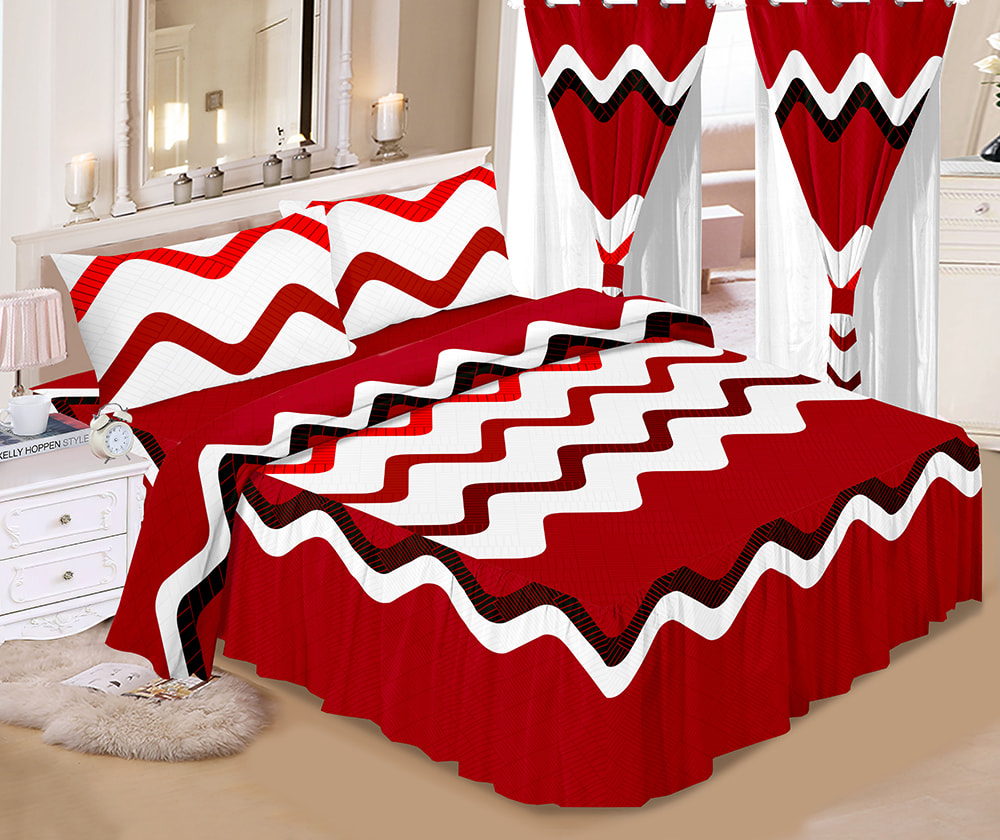
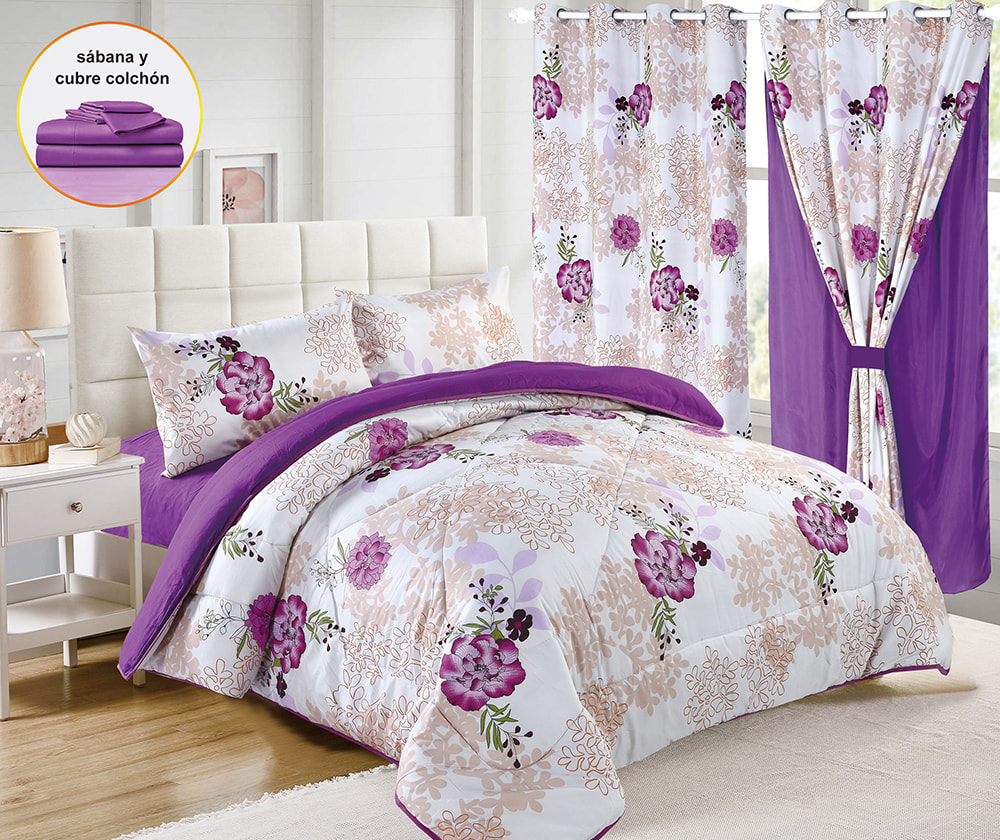


Curtains are a vital element of soft furnishings in any home, serving both practical and decorative purposes. The way a window is treated often dictates the rhythm of natural light, the level of privacy, and even the overall visual tone of an entire room. Among the myriad curtain styles available, double-layered curtains are increasingly becoming the preferred window solution for home renovations, thanks to their flexible light-adjustment capabilities, good sound and thermal insulation properties, and rich aesthetic depth.
Basic Structure and Working Principles of Double-Layered Curtains
Double-layered curtains are not merely two pieces of fabric stacked together; rather, they utilize a scientifically designed layered structure to achieve precise and refined control over lighting. Their basic composition typically consists of two distinct parts: an outer main curtain and an inner sheer curtain. Each layer fulfills its own specific role while working in tandem with the other to create a flexible and versatile window-covering system.
The Functional Role of the Outer Main Curtain
The outer main curtain is typically crafted from thick, heavy fabrics—either blackout or semi-blackout materials—and serves the core functions of blocking light, insulating against heat and cold, dampening sound, and ensuring privacy. At night, or whenever complete blockage of external light is required, simply drawing the outer main curtains creates a quiet, private indoor environment. Fabric options for the outer main curtain are quite diverse, commonly including velvet blackout cloth, thick-woven cotton-linen blends, jacquard fabrics, and composite blackout-coated materials; each fabric type offers a unique balance of light-blocking efficacy, thermal retention, and visual texture.
The Auxiliary Role of the Inner Sheer Curtain
The inner sheer curtain is typically made from lightweight, translucent fabrics such as chiffon, organza, cotton voile, or linen gauze. Their airy texture allows light to filter through, creating a soft, diffused glow within the room. When used independently during the day, the sheer curtains filter incoming sunlight, rendering it gentle and glare-free; this preserves the bright, airy feel of natural lighting while simultaneously obscuring the view from outside to a certain extent, thereby maintaining a basic level of indoor privacy. Furthermore, sheer curtains lend a light, ethereal quality to the space, adding a layer of soft, delicate visual depth to the interior design.
Fabric Selection Guide: Tailoring Choices to Different Spaces
The selection of fabrics for double-layered curtains should be a comprehensive process that takes into account the functional purpose of the room, its natural lighting conditions, and its overall stylistic theme. Different spaces within a home have significantly varying requirements regarding light-blocking capabilities, breathability, and decorative appeal; consequently, the selection and combination of fabrics should be tailored to suit these specific needs.
Bedrooms: Balancing Light Blocking with Comfort
The bedroom is a space where light-blocking capabilities are paramount—particularly for those who need to nap during the day or are sensitive to light. Here, the light-blocking effectiveness of the outer main curtains is absolutely critical. It is recommended to select fabrics treated with a blackout coating or thick, velvety textiles for the main curtains, paired with soft cotton voile or chiffon sheer inner curtains. This combination allows the sheer curtains to filter incoming light during the day, creating a warm and inviting atmosphere for relaxation; at night, drawing the main curtains effectively blocks out external light sources—such as streetlights and car headlights—thereby creating good conditions for deep, restorative sleep.
Living Rooms: Harmonizing Natural Light with Decoration
The living room serves as the central hub for daily family activities and entertaining guests; as such, it demands ample natural light while simultaneously serving as a key showcase area for the home's overall aesthetic style. For the outer layer, semi-blackout cotton-linen blends or jacquard fabrics are good choices; these options offer flexible control over natural light levels while adding decorative flair through their unique textures and patterns. For the inner sheer layer, organza or linen sheers are recommended; their translucent quality allows natural light to flow in while softening direct sunlight, ensuring the overall lighting in the living room remains comfortable and evenly distributed.
Studies and Children's Rooms: Prioritizing Functionality
Studies require a high degree of lighting uniformity, as excessively strong direct light can easily lead to eye strain. Children's rooms, meanwhile, require sufficient light-blocking capabilities to facilitate daytime naps. For both types of spaces, a flexible dual-layer curtain system is highly recommended. This setup typically involves pairing light-colored, semi-blackout main curtains with fine-weave sheer inner curtains, allowing for flexible switching between light-blocking modes throughout the day—thereby balancing visual comfort during study hours with effective light control during rest periods.
Comparison of Common Double-Layer Curtain Fabric Combinations
The table below outlines the key performance characteristics of various inner and outer fabric combinations to serve as a reference guide during your selection process:
| Outer Fabric | Inner Fabric | Light Blocking | Breathability | Thermal Insulation | Suitable Space | Style Tendency |
| Velvet | Blackout Fabric | Chiffon Sheer | High | High | Bedroom, Media Room | Modern small, Light Luxury |
| Cotton-Linen Thick Weave | Linen Sheer | Medium | High | High | Living Room, Dining Room | Nordic, Natural |
| Jacquard Fabric | Organza | Medium | High | Medium | Living Room, Master Bedroom | French Retro, Neoclassical |
| Coated Blackout Fabric | Cotton Sheer | High | Low | High | Bedroom, Children's Room | Practical small |
| Velvet Fabric | Silk Sheer | Medium | Low | High | Master Bedroom, Study | Light Luxury, New Chinese |
| Printed Cotton | Fine Cotton Sheer | Low | High | Low | Children's Room, Balcony | Pastoral, Bohemian |
Selection of Installation Methods and Track Systems
The quality of double-layer curtain installation directly impacts user experience and long-term stability; therefore, selecting the appropriate track system and installation method is a crucial step that should not be overlooked.
Basic Configuration of Double-Track Systems
Double-layer curtains typically require installation using a "Double Track" or "Double Rod" system. The inner and outer curtain layers are mounted on two independent tracks, ensuring they do not interfere with one another and can be operated independently. Double-track systems offer two installation methods: top-mounting and side-mounting. Top-mounting (installed on the ceiling or inside a curtain box) visually elevates the focal point, allowing the curtains to flow from the ceiling to the floor; this significantly enhances the sense of vertical spaciousness and is ideal for rooms with lower ceiling heights. Side-mounting (secured to the wall on either side of the window frame) offers simpler operation and is suitable for the installation requirements of more standard windows.
Flexible Choices for Opening and Closing Mechanisms
The opening and closing mechanisms for double-layer curtains primarily fall into three categories: manual cord operation, rod-and-ring hanging, and electric control. Manual cord operation is intuitive and cost-effective, making it suitable for scenarios with limited budgets or smaller window areas. The rod-and-ring style is easy to install and convenient to remove for cleaning, appealing to users who prefer a clean, small aesthetic. Electric smart curtain systems allow for remote operation via a mobile app or voice commands, making them ideal for smart home environments; specifically for large floor-to-ceiling windows or extra-wide windows, electric control significantly enhances operational convenience.
Key Points for Routine Cleaning and Maintenance
Due to their relatively complex structure, double-layer curtains require a layered approach to cleaning and maintenance; furthermore, care methods vary depending on the specific fabric type.
Sheer curtains are made of lightweight fabric; it is recommended to wash them once every 1–2 months. They may be machine-washed, but must be placed in a laundry bag for protection, and the water temperature should be kept below 30°C to prevent fabric deformation. The main curtains are made of thicker fabric, so the cleaning frequency can be reduced; washing them once every 3–6 months is sufficient. For velvet and velour fabrics, professional dry cleaning or hand washing is recommended to avoid damaging the pile texture through machine-washing friction. For routine maintenance, use a soft-bristled brush or a low-power vacuum cleaner to periodically remove surface dust, thereby extending the intervals between deep cleanings.
When drying, avoid prolonged exposure to direct sunlight to prevent the fabric from fading. Ensure the curtains are completely dry before re-hanging them on the tracks to prevent moisture from fostering mold growth, which could compromise their lifespan.



