 English
 русский
 Español
 عربى
عربى

Balancing Comfort and the Home Living Experience
Fabrics with good breathability typically facilitate air circulation and reduce feelings of stuffiness, making it easier to maintain a comfortable physical sensation during nighttime rest. This is particularly true during the spring and summer months, when many people prefer bedding with a distinctly lightweight feel to create a fresher, more airy bedroom atmosphere.
On the other hand, tactile softness also plays a significant role in the daily user experience. When fabric comes into contact with the skin, a fine, smooth surface texture often evokes a greater sense of relaxation. For those seeking rest after a long day of work, comfortable bedding can transform the bedroom environment into a space that feels gentler and more natural.
Analysis of Common Fabric Types
Different materials influence a duvet cover's breathability, softness, and subsequent care requirements. Below is an overview of several common fabric types:
| Fabric Type | Tactile Characteristics | Breathability Performance | Ease of Daily Care | Suitable Applications |
| Pure Cotton | Soft and natural | Good | Relatively easy | Year-round use |
| Washed Cotton | Soft surface texture | Good | Very convenient | Everyday home use |
| Tencel Blends | Smooth and refined | Good | Requires gentle washing | For those prioritizing touch |
| Linen Blends | Crisp and natural | Good | Prone to wrinkling | Summer environments |
| Microfiber | Lightweight and soft | Moderate | Easy to maintain | Student dorms, rental housing |
From the perspective of overall user experience, duvet covers made of pure cotton and washed cotton are the more common choices in home settings. These fabrics typically strike a balance between comfort and practicality, making them easily adaptable for more households.
If you prioritize a refined tactile sensation, consider blended fabrics containing Tencel. These materials typically feature a smoother surface texture and exhibit a natural luster under lighting.
The Impact of Breathability on the Sleep Environment
Many people experience discomfort from stuffiness during the night because their bedding lacks sufficient breathability. Particularly in rooms with high ambient temperatures or limited air circulation, the fabric of a duvet cover can directly impact one's physical comfort.
Duvet covers with good breathability typically possess the following characteristics:
- Smoother air circulation
- Fabric that resists creating a stifling sensation
- A natural, comfortable feel even after prolonged use
- Helps maintain a dry and fresh feel for the bed
Furthermore, breathable duvet covers offer distinct advantages during seasonal transitions. During the spring and autumn seasons, temperature fluctuations can be quite significant; if bedding is overly thick or heavy, it can easily compromise the quality of your rest. In such environments, lightweight and breathable duvet covers are typically easier to pair with duvet inserts of varying thicknesses.
How a Soft Touch Enhances the Home Atmosphere
Beyond mere functionality, bedding plays a significant role in shaping the overall atmosphere of a bedroom.
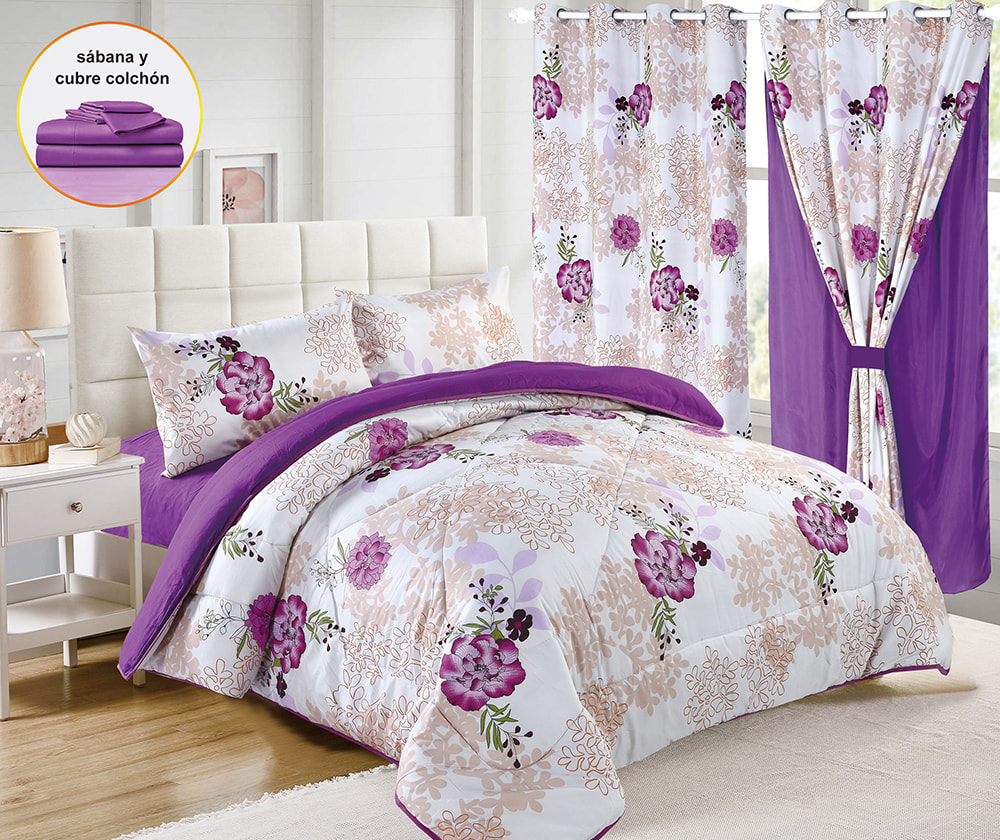
Soft duvet covers often create a visually gentler and more inviting aesthetic. Products featuring natural color palettes and small textures are particularly adept at blending seamlessly with modern home decor styles.
For example:
- Light Gray: Ideal for small spaces.
- Cream/Off-White: Easily evokes a sense of softness and tranquility.
- Light Blue: Adds a refreshing and crisp vibe to the room.
- Bean Paste Pink: Suits bedrooms with a warm and cozy aesthetic.
When coordinating your bedding, you can create a harmonious look by echoing colors across your sheets, pillowcases, and throw blankets, making the entire space feel more cohesive.
When furnishing their bedrooms, many households are increasingly moving away from complex patterns in favor of bedding that features natural textures and a soft, gentle touch. This approach to styling helps create a more relaxed and laid-back atmosphere within the room.
Seasonal Usage Recommendations
While soft, breathable duvet covers are suitable for everyday use, it is still advisable to adjust your bedding choices seasonally to accommodate changing environmental conditions.
Spring
As humidity levels tend to fluctuate significantly during the spring, opt for fabrics with good moisture-wicking properties. Pure cotton or washed cotton materials are typically good choices for this season.
Summer
Summer calls for duvet covers that are lightweight and highly breathable. Lighter color palettes can also contribute to a visually cooler and more refreshing bedroom environment.
Autumn
As temperatures gradually begin to drop in the autumn, you can enhance your comfort level by layering on blankets or throws, all while retaining the soft, gentle feel of your duvet cover.
Winter
In winter, pair your duvet cover with a thicker, heavier duvet insert. However, it is still recommended to ensure the outer cover retains a degree of breathability to prevent the bedding from feeling stuffy or stifling during prolonged use.
Daily Cleaning and Care
To maintain the softness and pristine appearance of your duvet covers, proper daily care and maintenance are essential.
Regulate Washing Frequency
Generally, you should replace and wash your bedding periodically based on your actual usage patterns and environment. Keeping your bedding clean and fresh contributes significantly to the overall comfort of your bedroom.
Use Gentle Washing Methods
Some soft fabrics can be adversely affected by high temperatures; therefore, it is recommended to use a gentle wash cycle when laundering your bedding.
Avoid Prolonged Sun Exposure
While a brief period of air-drying in the sun helps keep bedding fresh and dry, prolonged exposure to intense sunlight can compromise the softness and texture of certain fabrics.
Keep Dry During Storage
When storing bedding between seasons, it is advisable to ensure the storage environment is well-ventilated to small moisture accumulation.
Application in small Home Decor
In recent years, many households have gravitated toward interior design styles that foster a natural and relaxed spatial atmosphere. Consequently, soft and breathable duvet covers have gradually become a staple element in bedroom styling.
In modern small aesthetics, common styling approaches include:
Natural Color Palettes
Colors such as off-white, light gray, and creamy beige create a quiet, gentle visual effect.
Low-Saturation Combinations
By small overall color clashes, the bedroom space achieves a greater sense of visual unity.
Emphasis on Textural Layering
Combining bedding with varying textures enhances the spatial depth and dimension without the need for elaborate ornamentation.
Practical Value in Everyday Home Use
For many families, a duvet cover is more than just a piece of bedding; it is intimately linked to daily living habits.
Soft and breathable bedding products typically offer the following characteristics:
- Ideal for long-term, daily use
- Highly versatile in terms of styling compatibility
- Relatively easy to clean and maintain
- Adaptable to a wide range of home environments
Whether in a master bedroom, a guest room, or a student dormitory, comfortable bedding helps create a space that feels both tidy and natural.
Particularly amidst the fast pace of modern life, cultivating a comfortable and tranquil resting space has increasingly become a key detail of daily living that many people prioritize.


Contact Us for More Details
Don't hesitate to contact when you need us!
Contact Information
Add:
Building 1, East Area, Wanyang Zhongchuang City, Economic Development Zone, Dongyang City, Zhejiang Province, China
Phone:
Tel:
E-mail:
Quick Links
Product Category
QR Code



+86-13616899966
+86-579-86610966
