 English
 русский
 Español
 عربى
عربى

Home Decor Styling Analysis: Printed Lightweight Zipper Bed Spread Set
The Printed Lightweight Zipper Bed Spread Set—a bedding ensemble that harmonizes both decorative appeal and practical utility—demonstrates strong adaptability in terms of visual style, daily maintenance, and spatial coordination.
The Impact of Print Design on Bedroom Atmosphere
Printed elements constitute a pivotal visual component of this type of bed spread set; varying patterns and color schemes directly influence the overall aesthetic presentation of the space.
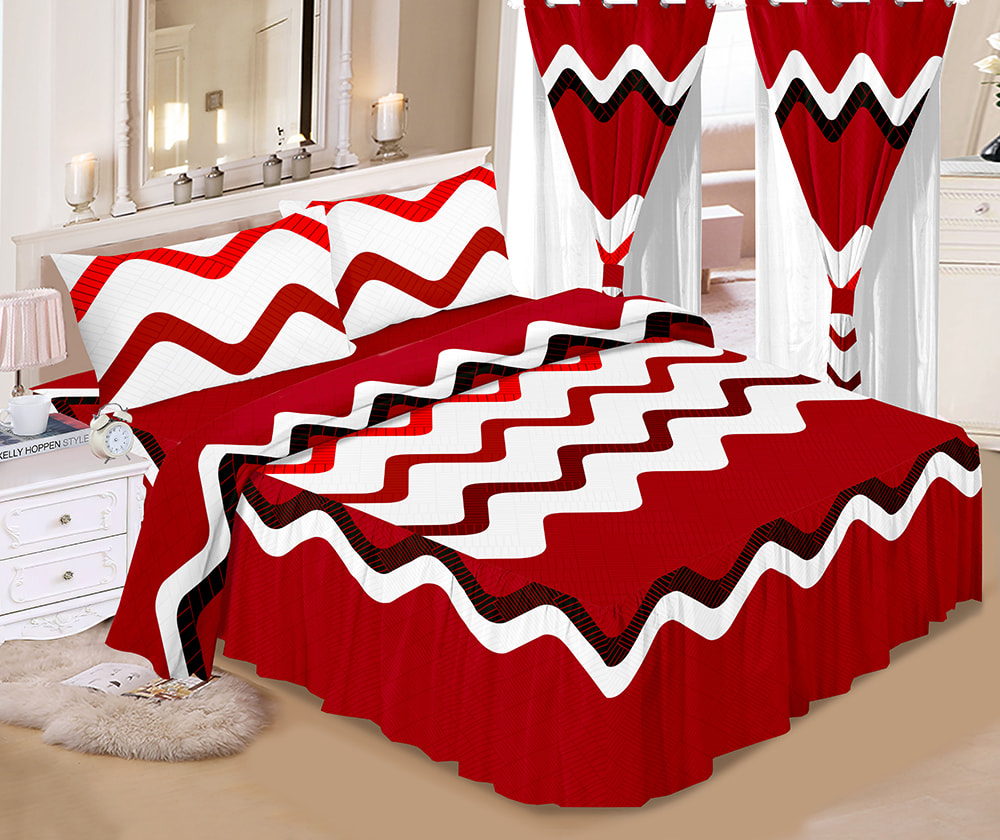
1. Geometric Pattern Style
Geometric prints typically convey a strong sense of order and structure, making them well-suited for modern small or urban-style bedrooms.
Common characteristics include:
- Pronounced linear definition
- Clear visual structure
- Ease of coordination with other decor
These patterns also effectively create a neat and cohesive visual effect, particularly within smaller spaces.
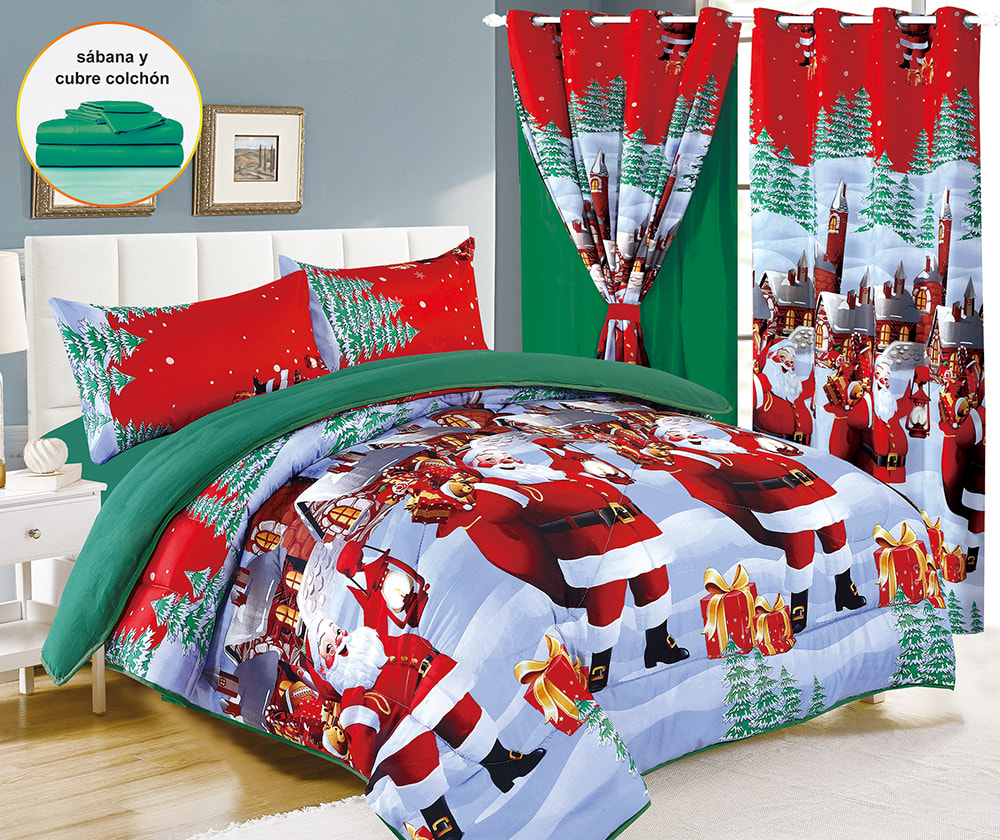
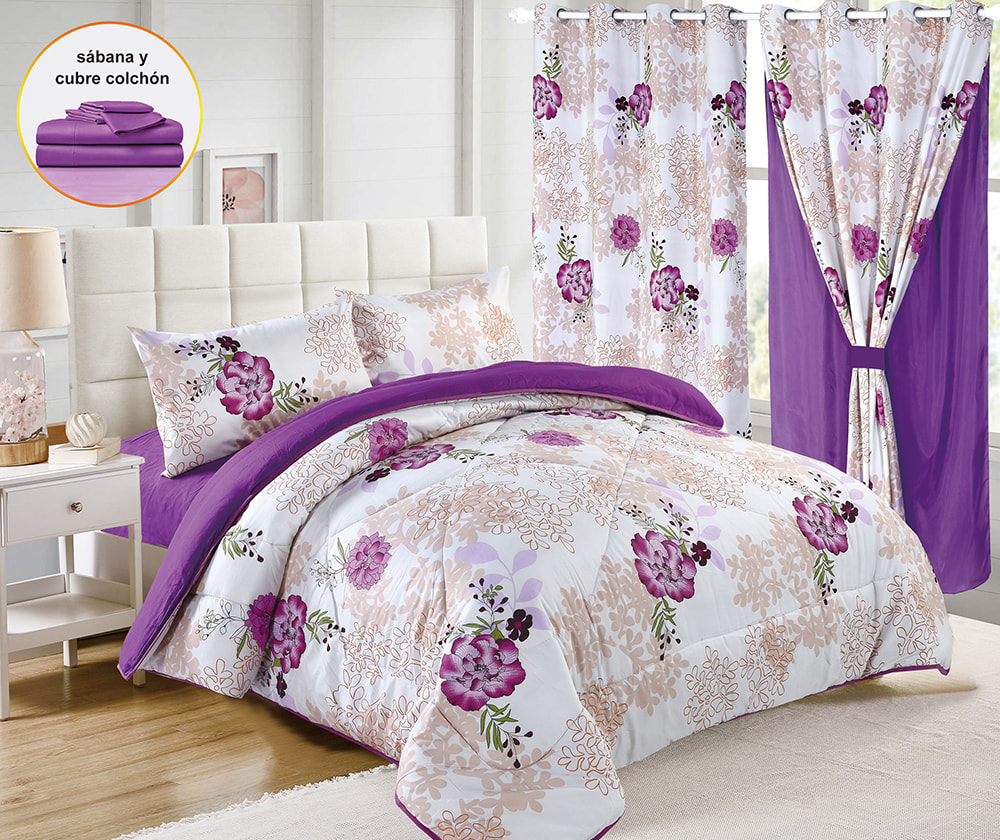
2. Botanical and Floral Style
Botanical and floral prints tend to evoke a softer, more natural atmosphere, infusing the bedroom with a sense of lived-in warmth and vitality.
Suitable environments include:
- Cozy family bedrooms
- Nature-themed spaces
- Seasonal interior styling
Different color combinations can also influence the perceived "warmth" or "coolness" of the space.
3. Abstract Texture Style
Abstract prints emphasize visual depth and artistic flair, making them ideal for bedroom environments where personalized expression and individuality are highly valued.
These patterns typically feature:
- Irregular textural variations
- A strong sense of visual expansiveness
- Greater flexibility in color coordination
Functional Characteristics of the Lightweight Structure
Compared to traditional, heavy bedding, lightweight bed spreads present distinct advantages in terms of daily usage and logistics.
1. High Efficiency in Bed-Making
The lightweight structure makes the bedding easier to fold and smooth out, significantly streamlining the daily process of tidying the bedroom.
This is particularly advantageous in the following scenarios:
- Quick daily bedroom tidying
- Use in small-apartment living spaces
- Environments requiring frequent bedding changes
2. Small Storage Space Requirements
When folded, lightweight bed spreads occupy relatively little space, making them a good choice for living environments with limited storage capacity.
For households that rotate bedding seasonally, this also facilitates organized and efficient storage.
3. Adaptability to Various Climates
Some lightweight bed spreads can function as a standalone covering layer or be paired with additional duvets/inserts, allowing for flexible adjustment of bedding layers to suit changing temperatures.
The Role of Zipper Structures in Bedding
The zipper-based design not only influences the practical usage of the bedding but also impacts its overall aesthetic appearance and ease of maintenance.
1. Enhanced Efficiency
Compared to traditional button closures, a zipper design makes removal and installation much more straightforward.
This is particularly suitable for:
- Bedding that requires frequent washing
- Situations requiring quick daily changes
- Environments where multiple bedding sets are rotated in use
2. More Cohesive Appearance
A hidden zipper structure typically smalls visible seams or connection points, resulting in a more seamless and visually unified overall look.
3. Relatively Stable Securing Effect
Once the zipper is closed, the internal filling or structure is less likely to become exposed, helping to maintain a neat and tidy bed surface.
Styling for Different Bedroom Aesthetics
A bed cover set is not merely a basic bedding item; it also plays a significant role in the overall harmony of a bedroom's soft furnishings.
1. Small-Style Bedrooms
Recommended choices:
- Low-saturation color palettes
- Linear or geometric prints
- Coordinated color schemes
This approach enhances the overall sense of spatial cohesion.
2. Nordic-Style Spaces
Pair with:
- Light-colored wooden furniture
- Soft, botanical patterns
- Off-white or gray-toned bedding
To create a relaxed and natural bedroom atmosphere.
3. Modern Urban Style
Suitable choices:
- Dark-toned geometric prints
- Black, white, and gray color combinations
- Textural designs with strong visual depth
To accentuate the structural lines of the space.
Comparison of Different Bed Cover Set Types
| Type | Key Features | Suitable Seasons | Visual Style | Storage Convenience |
| Lightweight Printed Zipper Bed Cover Set | Lightweight, easy to manage | Spring/Summer & Seasonal Transitions | Rich & Diverse | Fairly Convenient |
| Thick Quilted Bed Cover | Distinct structural texture | Autumn/Winter | Rich & Diverse | Moderate |
| Solid-Color Bed Cover | Clean, simple style | All Seasons | Small & Unified | Fairly Convenient |
| Multi-Layered Composite Bed Cover | Strong textural depth | Primarily Autumn/Winter | Traditional Aesthetic | Takes up more storage space |
Practical Scenarios for Home Use
1. Small Living Spaces
Lightweight bed covers reduce visual bulk, making the space appear neater and more open.
They are also easier to manage when it comes to storage.
2. Guest Rooms
Since their lightweight structure makes them easy to change, they are ideal for the daily tidying and maintenance of guest rooms.
Some users also choose to swap out different print styles to suit the changing seasons.
3. Student Dormitories or Rental Spaces
Lightweight bedding is better suited for living environments that require frequent moving or washing.
Analysis of Fabric and Craftsmanship Details
Beyond prints and structural design, the fabric's manufacturing process also significantly influences the overall user experience.
1. Surface Printing and Dyeing Techniques
Common techniques include:
- Reactive Printing
- Digital Printing
- Embossed Printing
Different techniques vary in terms of color depth and pattern clarity.
2. Stitching Structure
Uniform stitching helps maintain the flatness of the bed cover while small deformation along the edges.
3. Edging and Binding
The edging technique affects both the durability of the bed cover's edges and its overall visual integrity.
Cleaning and Maintenance Recommendations of Bed Spread
Proper cleaning helps preserve the condition of your bedding.
1. Separate Washing
It is recommended to wash the item separately from dark-colored or coarse fabrics to small friction-related wear.
2. Use Gentle Washing Methods
Gentler washing and care methods help maintain the integrity of the printed patterns.
3. Avoid Prolonged Sun Exposure
Excessive exposure to direct sunlight may adversely affect the color vibrancy of certain fabrics.
4. Ensure Dryness Before Storage
Ensure the item is completely dry before storing to prevent moisture from compromising the fabric's condition.

Contact Us for More Details
Don't hesitate to contact when you need us!
Contact Information
Add:
Building 1, East Area, Wanyang Zhongchuang City, Economic Development Zone, Dongyang City, Zhejiang Province, China
Phone:
Tel:
E-mail:
Quick Links
Product Category
QR Code



+86-13616899966
+86-579-86610966
