 English
 русский
 Español
 عربى
عربى

Feather Comforter Set Loft Comes From Baffle Box Construction
A feather-filled comforter that feels evenly plush in the store can develop cold spots and lumpy corners within a season if the internal construction was not built to keep the fill distributed, and this is a defect that traces directly back to how the shell was stitched rather than to the quality of the feathers themselves. A feather comforter set depends on its internal box structure as much as its fill material, since even premium feathers shift and clump inside a poorly constructed shell. Buyers judging a feather comforter set sample by hand-feel alone in a showroom often miss this distinction entirely, since a well-filled sample can feel identical to a poorly constructed one until it has gone through several weeks of actual use.
Why Baffle Box Construction Matters More Than Fill Quality Alone
A feather comforter set built with baffle box construction uses internal fabric walls between the top and bottom shell layers to create individual chambers that keep feathers from migrating to one corner or edge over time. This kind of baffle box quilting costs more to produce than a flat sewn-through pattern, since it requires additional fabric and a more complex stitching sequence, but the added cost buys the fill retention that keeps a comforter performing evenly for years rather than months. A simpler sewn-through construction, where the top and bottom fabric are stitched directly together in a grid pattern, costs less to produce but creates cold seams along every stitch line where no fill can gather. Buyers sourcing a feather comforter set for a premium retail tier should specify baffle box construction directly, since sewn-through construction is often used interchangeably in marketing language despite the meaningful performance difference between the two methods.
Down Fill Power Rating and What It Actually Measures
Down fill power rating measures the volume a given weight of down occupies, not the warmth of the comforter directly, though the two are related since higher-loft down traps more air per ounce and generally requires less total fill weight to achieve the same warmth level. A feather comforter set using a higher fill power rating can achieve a lighter, fluffier feel at a given warmth level compared to one using lower fill power down padded with more total weight to compensate. Buyers should ask for the specific fill power number rather than accepting a general "premium down" description, since this rating is a standardized, testable measurement that allows a direct comparison between suppliers.
Quill Prick-Through and Shell Fabric Density
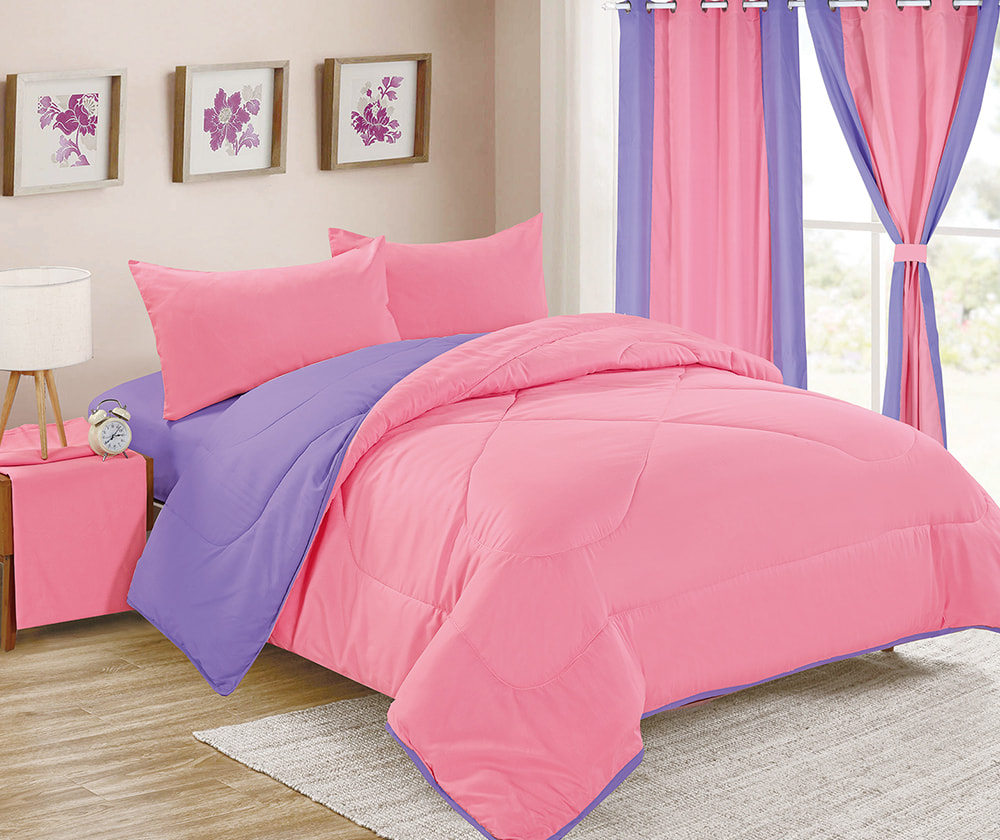
A feather comforter set filled with feathers rather than pure down requires a shell fabric with a tighter weave density to prevent quill prick-through, the sharp feather shafts working their way out through the fabric and poking the sleeper, a defect that generates return complaints even when the overall warmth and loft of the product meet specification. Buyers should confirm the shell fabric's thread count and weave density are matched appropriately to the feather-to-down ratio in the fill, since a shell adequate for pure down often proves too loosely woven once a feather-heavy blend is used instead.
Cleaning and Allergen Considerations for Feather Fill
Feather and down fill require more careful cleaning than a synthetic fill, since improper washing can mat the fill and reduce loft permanently, while inadequate drying can leave residual moisture that leads to odor or mold inside the comforter's internal chambers. A feather comforter set marketed as machine washable should be tested specifically under real washing machine conditions rather than assumed to be washable simply because the fill is natural, since down and feather behave differently in a domestic washing machine than in the industrial cleaning process used during manufacturing.
Manufacturing Standards and Bulk Supply for Wholesale Buyers
A factory producing its own feather comforter set line should be able to document the down-to-feather ratio, fill power rating, and cleaning process used on its fill material, since this documentation is what a wholesale buyer needs to support product labeling and any allergen or fill-content claims made on packaging. Buyers placing bulk orders should confirm the factory tests baffle box construction consistency across a full production batch, not only on a sample unit, since inconsistent internal stitching is a defect that only becomes visible after a comforter has been in use and the fill has had time to shift. Certification relevant to fill content labeling requirements in the destination market should be confirmed before committing to volume, since fill labeling regulations vary meaningfully between markets and an inaccurate label creates compliance risk for the buyer's own brand.

Contact Us for More Details
Don't hesitate to contact when you need us!
Contact Information
Add:
Building 1, East Area, Wanyang Zhongchuang City, Economic Development Zone, Dongyang City, Zhejiang Province, China
Phone:
Tel:
E-mail:
Quick Links
Product Category
QR Code



+86-13616899966
+86-579-86610966
