 English
 русский
 Español
 عربى
عربى

Natural Comforter Set Filling Options Suit Different Climates
A synthetic comforter fills a catalog gap at a lower price point, but it rarely satisfies the growing segment of buyers whose end customers specifically search for natural materials, whether for breathability, a chemical-free sleep environment, or simply the tactile quality that comes from cotton, wool, or silk fill. A natural comforter set built around one of these fibers gives a wholesale buyer a genuinely different product to offer, not just a marketing label applied to the same polyester fill used across the rest of a catalog. Retailers building a private-label bedding assortment increasingly ask suppliers directly whether a natural comforter set option exists, rather than treating natural fill as an occasional special request.
Why Fiber Choice Changes the Sleep Experience
A natural comforter set filled with cotton behaves differently under the body than one filled with wool or silk, since each fiber manages moisture and heat retention according to its own physical structure rather than a uniform synthetic fill pattern. Cotton absorbs moisture readily and breathes well, making it a comfortable year-round option in temperate climates, while wool actively regulates temperature by trapping air within its crimped fiber structure, keeping a sleeper warm without the overheating some synthetic fills produce. Buyers building a natural fiber line should match the fiber to the climate zone of their target market rather than assuming any natural fill performs identically across all conditions.
|
Fill Material |
Warmth Level |
Recommended Climate |
|
Cotton |
Light to moderate |
Temperate, humid regions |
|
Wool |
Moderate to high, self-regulating |
Variable or cold climates |
|
Silk |
Light, lofty |
Mild climates, sensitive skin |
Long Staple Cotton Filling and Fiber Quality
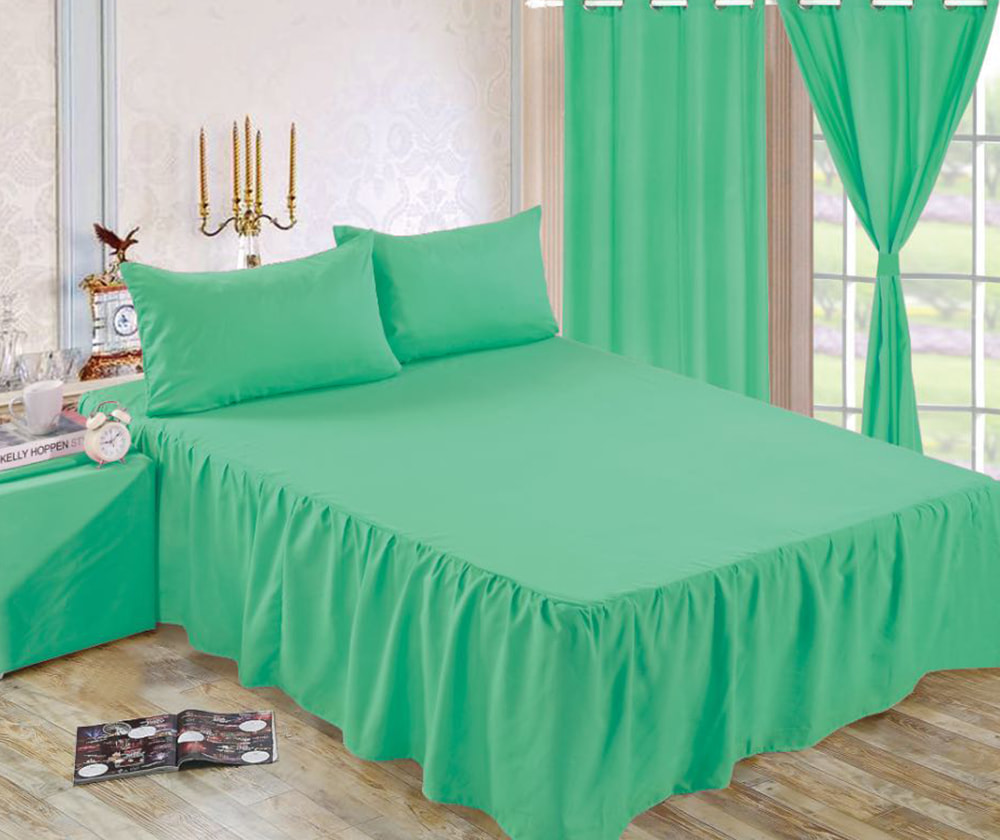
Long staple cotton filling produces a smoother, more durable fill than short-staple cotton, since the longer fibers resist the clumping and matting that shorter fibers develop after repeated washing and compression. A natural comforter set using long staple cotton holds its loft through more wash cycles than one filled with lower-grade cotton waste or blended short fibers, since a wholesale buyer's end customers judge product quality by how the comforter performs after several launderings, not just how it feels in the store.
Washable Wool Comforter Care and Durability
A washable wool comforter depends on how the wool fiber is processed before filling, since raw wool without proper scouring and treatment can felt and shrink under standard machine washing conditions that a treated wool fill would tolerate without issue. Buyers sourcing a natural comforter set with wool fill should confirm the wool has been processed specifically for machine washability, since this detail separates a product that survives normal consumer laundering from one that requires dry cleaning only, a limitation that significantly narrows the product's retail appeal.
Manufacturing Consistency Across Natural Fill Batches
A factory producing its own natural comforter set line typically sources fiber in bulk batches and tests each batch for consistency in loft, cleanliness, and fiber length before it goes into production, since natural materials carry more inherent batch-to-batch variation than a manufactured synthetic fill. Buyers placing bulk orders should ask how a supplier manages this natural variability, since a factory blending fiber from multiple batches without quality screening risks shipping a product line where individual units feel noticeably different from each other despite carrying the same label. This kind of batch screening is harder to verify from a single sample than it is with a synthetic fill, which is precisely why buyers sourcing natural materials should push for it explicitly during supplier evaluation.
Certification, Customization, and Bulk Supply for Wholesale Buyers
Buyers building a private-label program around a natural comforter set should request documentation on fiber sourcing and any relevant organic or natural material certification the factory can provide, since these credentials support the retail positioning that justifies the natural fill's higher price point compared to a synthetic equivalent. Customization requests, such as adjusted fill weight for different seasonal collections or a modified shell fabric to match a specific bedding line, are generally easier for a factory to accommodate when built into its standard production workflow rather than treated as a one-off request, and buyers should confirm production capacity for a natural comforter set line specifically, since sourcing and processing natural fiber at scale differs meaningfully from a synthetic fill supply chain.
Contact Us for More Details
Don't hesitate to contact when you need us!
Contact Information
Add:
Building 1, East Area, Wanyang Zhongchuang City, Economic Development Zone, Dongyang City, Zhejiang Province, China
Phone:
Tel:
E-mail:
Quick Links
Product Category
QR Code



+86-13616899966
+86-579-86610966
