 English
 русский
 Español
 عربى
عربى

Percale Weave Density Gives Cotton Sheets Their Crisp Hand-Feel
Cotton bedding covers a wider range of hand-feel than the word "cotton" alone suggests, and the weave structure explains a larger share of that variation than fiber quality does. Cotton percale sheets & pillowcases use a tight, plain weave construction that produces a crisp, cool surface distinctly different from the softer, brushed cotton finishes found elsewhere in a typical bedding catalog, and buyers sourcing across a mixed product line should understand this weave difference before assuming all cotton items behave the same way in production and in use. Confusing cotton percale sheets & pillowcases with a softer, brushed cotton line during quality control can lead to inspectors applying the wrong texture standard to the wrong product.
What Plain Weave Construction Actually Does
Percale weave uses a simple one-over-one-under thread interlacing pattern woven tightly enough to produce a smooth, matte surface without any raised nap or brushed texture. This construction is what gives cotton percale sheets & pillowcases their characteristic crisp feel, since the tight, flat weave creates a fabric that stays cool against skin and resists the slightly clingy feel that softer, looser weaves can develop. Buyers should understand that percale's crispness is a function of the weave itself, not a finishing treatment applied afterward, which means it can't be replicated on a different base weave through brushing or washing treatments alone.
How Thread Count Interacts With Percale Specifically
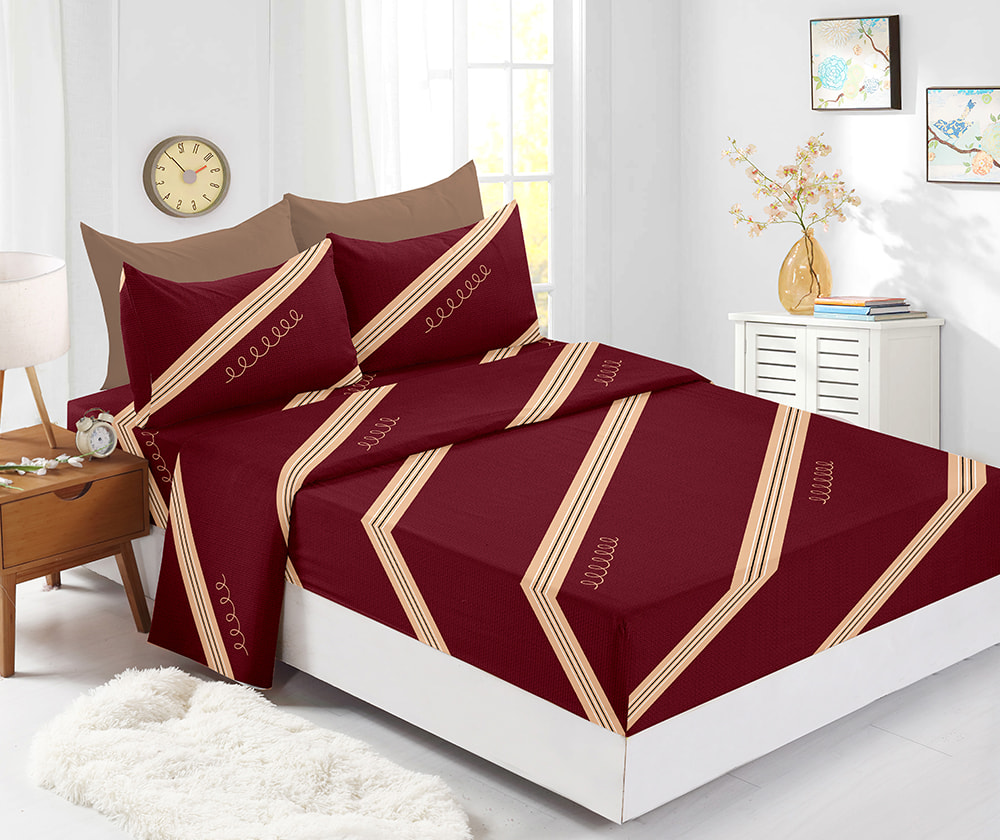
Thread count and weave type interact differently than buyers sometimes assume for cotton percale sheets & pillowcases: a higher thread count on a percale weave generally does increase perceived crispness and durability up to a point, but pushing thread count too high on a plain weave can start to reduce breathability as the weave becomes denser than the plain structure comfortably supports. This differs from brushed or sateen weaves, where thread count affects softness and drape more than the crisp, breathable quality percale is specifically valued for. Buyers should request thread count figures alongside weave type specifically, since a thread count number alone doesn't tell a buyer whether they're getting a crisp percale or a different weave entirely marketed under a similar count.
Wrinkle Behavior Compared to Other Cotton Finishes
Cotton percale sheets & pillowcases wrinkle more visibly than washed cotton or brushed cotton alternatives in the same catalog, since percale's crisp, tightly-woven structure holds a crease more distinctly than a pre-softened or brushed fabric would. This is a genuine trade-off rather than a defect: the same tight weave that gives percale its cool, crisp feel is what makes it hold wrinkles after washing and drying. Buyers marketing percale to end customers should set accurate expectations around this characteristic rather than positioning percale as equally low-maintenance as a washed cotton line from the same factory.
Comparing Cotton Finishes Within the Same Product Catalog
|
Cotton Type |
Surface Feel |
Wrinkle Tendency |
Seasonal Fit |
|
Percale weave |
Crisp, cool, matte |
Higher, holds creases |
Warm weather, hot sleepers |
|
Washed cotton |
Soft, relaxed texture |
Lower, naturally rumpled look |
Year-round, casual styling |
|
Brushed cotton |
Velvety, warm to the touch |
Low |
Cooler seasons |
Mixing Percale With Other Weaves in the Same Set
Buyers building sets that pair cotton percale sheets & pillowcases with a sateen or brushed cotton fitted sheet from elsewhere in the same catalog should confirm the fabric weights and finishing feel intentional rather than mismatched, since combining a crisp percale pillowcase with a noticeably softer fitted sheet can read as inconsistent quality to an end customer even when both pieces meet their individual quality standards. Testing the full combined set as a buyer would receive it, rather than evaluating each component in isolation, catches this kind of mismatch before it reaches a retail customer.
Frequently Asked Questions
- Does a higher thread count always mean a crisper percale sheet?
Only up to a point. Increasing thread count on a percale weave generally does add crispness and durability, but pushing it too high can start to reduce breathability, since the plain weave structure has a density range where it performs well.
- Does percale wrinkle more than the washed or brushed cotton in the same catalog?
Yes. Percale's tight, plain weave holds creases more visibly than washed or brushed cotton, which are finished specifically to reduce that crisp, crease-prone quality in exchange for a softer, more relaxed look.
- Can percale pillowcases be paired with a brushed cotton fitted sheet in the same set?
They can be paired, but buyers should confirm the combination is intentional rather than incidental, since the texture and weight difference between a crisp percale pillowcase and a soft brushed sheet can read as a mismatch to an end customer if not presented as a deliberate style pairing.
- Does percale cotton need different finishing steps before packaging compared to washed cotton from the same factory?
Yes. Washed cotton goes through an additional stone- or enzyme-washing stage that percale does not, since that treatment would soften the crisp weave percale is specifically valued for, so the two lines follow different finishing sequences even when woven from similar base cotton.
Contact Us for More Details
Don't hesitate to contact when you need us!
Contact Information
Add:
Building 1, East Area, Wanyang Zhongchuang City, Economic Development Zone, Dongyang City, Zhejiang Province, China
Phone:
Tel:
E-mail:
Quick Links
Product Category
QR Code



+86-13616899966
+86-579-86610966
