 English
 русский
 Español
 عربى
عربى

A Fitted Solid Plush Sheet Reveals Every Dye Inconsistency
A printed pattern hides a lot of small manufacturing variation simply by being visually busy, but a solid color has nowhere to hide. A fitted solid plush sheet puts the fabric's dye consistency, nap direction, and brushing quality on full display in a way a floral or geometric print never has to face, which changes what buyers should actually be checking before placing a bulk order. Suppliers who default to the same quality-control checklist for both solid and printed lines often miss the specific failure points a fitted solid plush sheet is more likely to expose.
Why Solid Color Construction Is Less Forgiving Than Print
A fitted solid plush sheet shows any unevenness in dye penetration far more readily than a patterned sheet, since there's no competing visual detail to distract the eye from a slightly lighter patch near a seam or a shade shift across a large flat panel. This is why dye lot consistency matters more for solid-color plush sheets than for printed lines, and buyers sourcing solid colors at volume should request dye lot documentation tied to each production batch rather than a general colorfastness certificate covering the product line as a whole.
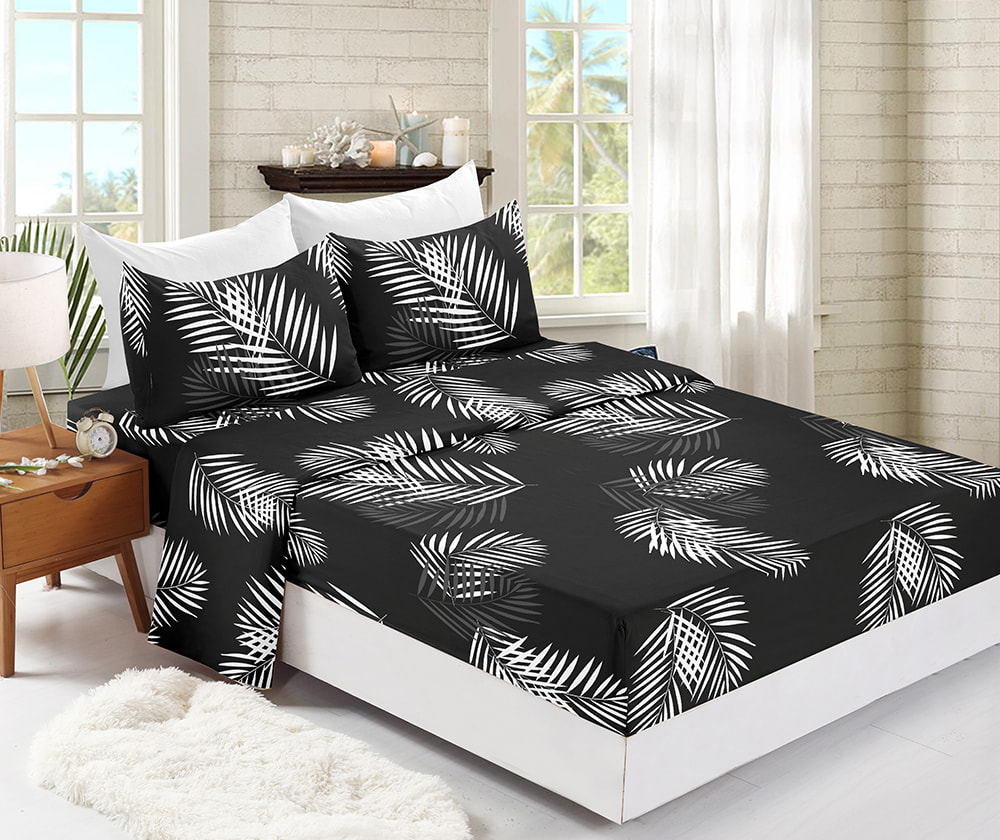
How Brushing Order Affects Final Color Vibrancy
The sequence of brushing and dyeing during production changes how a fitted solid plush sheet's final color reads once finished. Brushing after dyeing tends to soften and slightly mute the surface color as the raised nap scatters light differently than a flat woven surface would, while dyeing after an initial brushing stage can produce a marginally more saturated final tone since the dye penetrates the already-raised fiber structure differently. Buyers targeting a specific, vivid solid color should ask suppliers which sequence they use by default, since matching a target color swatch depends on knowing which process order a given factory follows.
Nap Direction and Its Effect on Elasticized Corners
Elasticated corners on a fitted solid plush sheet stretch and compress repeatedly with each use, and on a plush fabric this repeated tension can flatten the nap specifically at the corner points faster than on the flat central panel of the sheet. This creates a visible texture difference between the corners and the body of the sheet over time, more noticeable on a solid color than it would be under a printed pattern. Buyers should ask suppliers whether the plush pile at the corners uses a denser or more resilient brushing treatment specifically to offset this faster wear point, since a uniform brushing treatment across the entire sheet doesn't always hold up evenly once the elastic starts doing its job.
Comparing Solid Plush Sheets to Printed Plush Sheets
|
Factor |
Solid Color Plush |
Printed Plush |
|
Dye consistency visibility |
High, any variation is visible |
Lower, pattern masks minor variation |
|
Corner wear visibility |
Noticeable over time |
Less noticeable under pattern |
|
Batch-to-batch color matching |
Critical for multi-unit sets |
Less critical, pattern varies naturally |
|
Typical buyer concern |
Uniformity and consistency |
Pattern registration and print durability |
Batch Matching for Multi-Piece Sets
Buyers assembling multi-piece sets that combine a fitted solid plush sheet with separately produced flat sheets or pillowcases in the same solid color should confirm all pieces are dyed from the same lot, since even a technically compliant color match on paper can show a visible difference once the pieces sit side by side on a made bed under natural light. Requesting physical swatches from the actual production batch, rather than a standard reference swatch, is the more reliable way to confirm this before a full order ships.
Frequently Asked Questions
- Does the plush nap flatten at the elasticized corners faster than on the flat center panel?
Yes, the repeated stretch and compression at the corners tends to flatten the nap there before it flattens on the sheet's central area, since the corners see mechanical stress with every use that the flat panel doesn't experience in the same way.
- Can two solid-color fitted plush sheets from different production batches be packaged into the same set without a visible mismatch?
Not reliably. Dye lot variation between batches can produce a color that reads as matching under a spec sheet but shows a visible shift when the pieces sit next to each other, so batch-matched sourcing is worth confirming for multi-piece sets.
- Does brushing the fabric before or after dyeing change how the finished color looks?
Yes. Brushing after dyeing tends to soften the surface tone through the raised nap, while dyeing after an initial brushing stage can read as marginally more saturated, so the production sequence affects how closely the finished sheet matches a target color swatch.
- Is a solid-color plush sheet more prone to visible pilling than a printed one?
Pilling risk itself depends on fiber quality and brushing technique rather than color, but pilling is simply more visible on a solid surface than under a busy printed pattern, so buyers sourcing solid colors should weigh pill-resistance testing more heavily during supplier evaluation.
Contact Us for More Details
Don't hesitate to contact when you need us!
Contact Information
Add:
Building 1, East Area, Wanyang Zhongchuang City, Economic Development Zone, Dongyang City, Zhejiang Province, China
Phone:
Tel:
E-mail:
Quick Links
Product Category
QR Code



+86-13616899966
+86-579-86610966
