 English
 русский
 Español
 عربى
عربى

Are Washable Comforter Sets Available in Multiple Weight Options?
Wholesale bedding buyers stocking a year-round catalog keep raising a practical sourcing question: are washable comforter sets actually available across enough fill-weight variations to serve both summer and winter climates, or does a single standard weight force distributors into a compromise that satisfies neither season particularly well? Retail and hospitality buyers increasingly find fill weight grading, bed size consistency, and freight packaging shape a sourcing decision as much as fabric quality itself.
Fill Weight Grading for Seasonal Demand
Fill weight, typically measured in grams per square meter or ounces per comforter, determines the warmth a set provides more directly than another single specification on a product sheet. Washable comforter sets produced in a lightweight summer grade use meaningfully less fill than a winter-weight version built for colder climates, and distributors serving regions with pronounced seasonal temperature swings increasingly stock both weight grades rather than a single mid-weight compromise that leaves customers uncomfortable during peak summer or winter months.
Retailers selling into varied climate zones across a single national market face an added layer of complexity here, since a fill weight considered appropriate for a northern winter reads as excessive for a milder southern climate during the same calendar season. Distributors increasingly segment their washable comforter sets ordering by regional climate profile rather than applying a single fill weight specification across an entire national distribution program.
|
Fill Weight Category |
Typical Use Case |
Common Specification |
|
Lightweight/summer |
Warm climates, layering |
Lower GSM fill density |
|
All-season |
Moderate climates |
Mid-range GSM fill density |
|
Winter weight |
Cold climates, standalone warmth |
Higher GSM fill density |
|
Hospitality/hotel grade |
Frequent laundering, durability priority |
Reinforced construction, mid-weight |
Bed Size Standardization Across Markets
Bed size naming conventions vary enough between regions that a washable comforter sets program distributed across multiple countries needs size charts converted and verified rather than assuming a single naming standard applies universally. A queen-size specification in one market can differ measurably in actual dimensions from a queen-size product manufactured for a different regional market, and buyers distributing across borders increasingly request precise dimensional specifications in centimeters or inches rather than relying on size labels alone.
Component sizing consistency within a set matters equally, since a comforter and its matching shams need dimensional coordination verified together rather than each component graded independently against a generic size chart that assumes proportions consistent across every bed size in a product line. Distributors sourcing a bed spread set alongside a comforter program increasingly request matched dimensional documentation across both product categories, since a mismatched bedspread and comforter combination undermines the coordinated bedroom presentation retail marketing typically promises.
Packaging and Freight Efficiency
Vacuum-sealed compression packaging has become increasingly common for this bulky product category, since compressing a fluffy comforter into a flat, dense package before shipping reduces the cargo volume a distributor pays freight charges on considerably compared to shipping an uncompressed, fully lofted comforter. Buyers sourcing quilted bedding set products for long-distance export increasingly specify vacuum compression packaging as a standard requirement, since the freight savings on a full container shipment often justify the modest added packaging cost per unit.
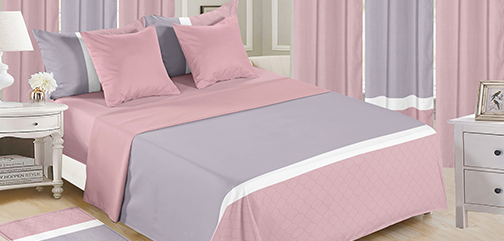
Compression packaging does introduce a separate consideration around fill recovery, since a comforter compressed for extended transit periods needs adequate fill resilience to fully loft back to its original thickness once unpacked at a destination warehouse, a property buyers increasingly test before committing to a supplier relying heavily on this packaging method.
Private Label and Pattern Customization
Retail buyers building house-brand bedding programs increasingly request private-label packaging, custom care tags, and proprietary pattern printing rather than stocking a factory's standard catalog designs. A washable comforter sets program built around seasonal pattern refreshes requires printing flexibility that lets a factory turn around new pattern runs on a shorter cycle than a fully custom weave or embroidery process would allow, giving retail buyers the design variety seasonal merchandising increasingly demands.
Sourcing Considerations for Distribution Programs
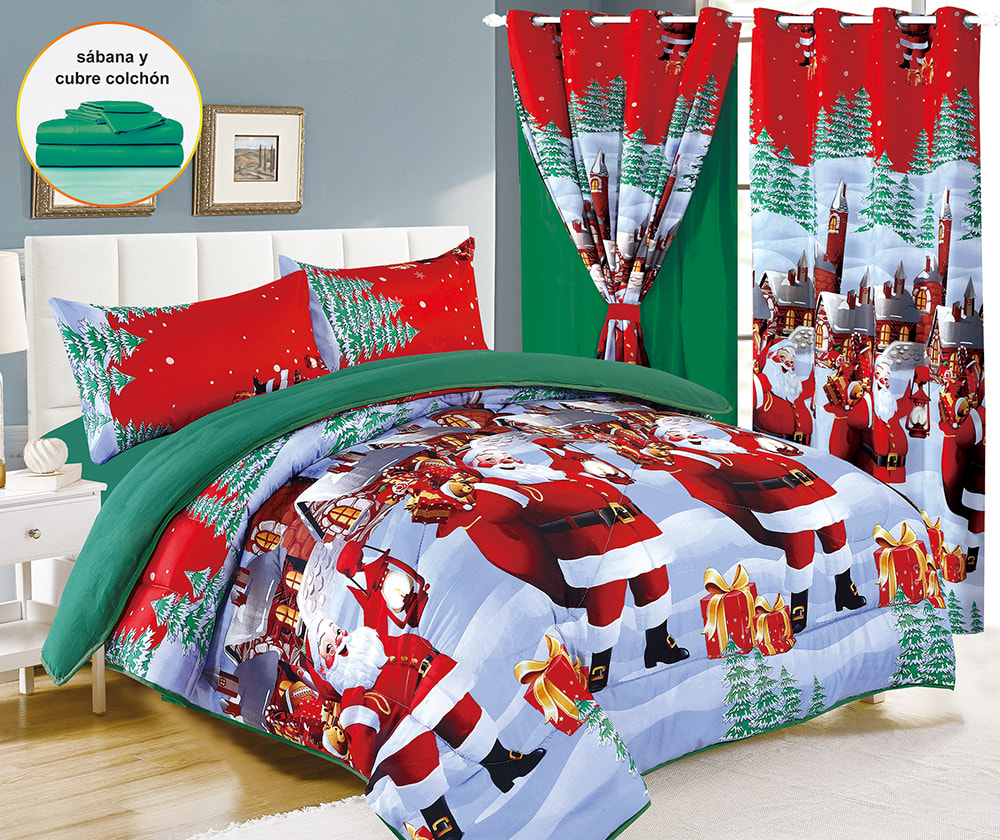
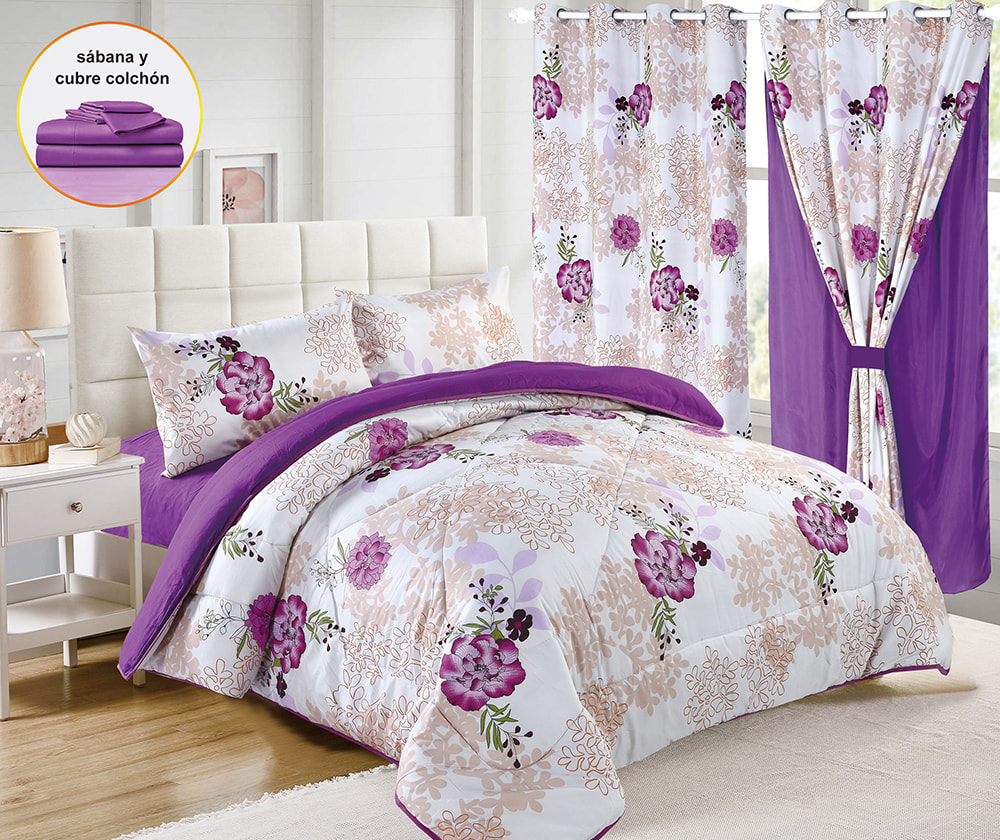
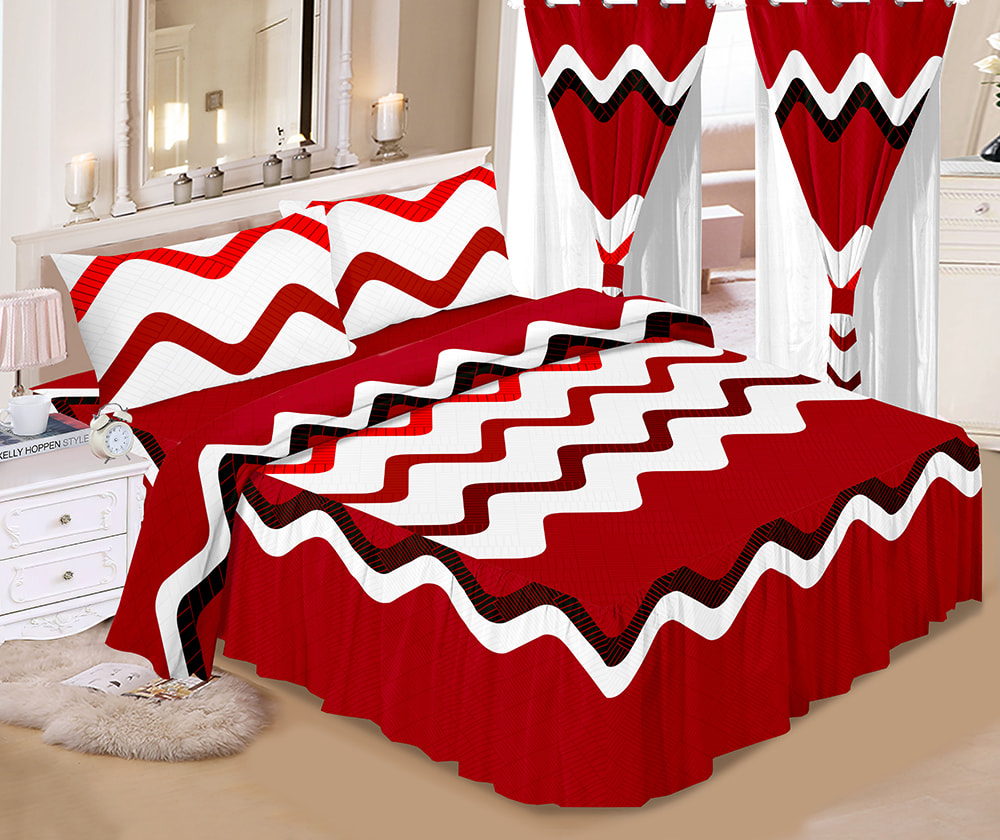
MH Home Textiles structures its washable comforter sets production around documented fill weight grading, verified size charts across regional markets, and vacuum compression packaging for export shipments, giving distributors a sourcing reference matched to specific climate zones and freight requirements rather than a single generic product specification.
Contact Us for More Details
Don't hesitate to contact when you need us!
Contact Information
Add:
Building 1, East Area, Wanyang Zhongchuang City, Economic Development Zone, Dongyang City, Zhejiang Province, China
Phone:
Tel:
E-mail:
Quick Links
Product Category
QR Code



+86-13616899966
+86-579-86610966
