 English
 русский
 Español
 عربى
عربى

Is Deep Pocket Sizing Standard on Fitted Plush Sheets?
Wholesale bedding buyers stocking a broad mattress compatibility range keep running into the same practical sizing question: is deep pocket construction actually standard across fitted plush sheets programs, or does a distributor need to specify pocket depth explicitly to avoid stocking sheets that fit standard mattresses but slip off the increasingly common thicker pillow-top and memory foam models? Distributors supplying department stores and online retail increasingly find that pocket depth variation, private-label flexibility, and packaging format shape a sourcing program as much as fabric quality itself.
Pocket Depth Variation Across Mattress Types
Mattress thickness has increased considerably across the industry as pillow-top and memory foam constructions have become mainstream, and pocket depth on a fitted sheet needs to keep pace with this shift or the sheet corners pull loose during normal use. Standard pocket depth around 14 to 16 inches suited older, thinner mattress constructions well, but fitted plush sheets intended for compatibility with thicker modern mattresses increasingly ship with a deep pocket specification reaching 18 inches or more to accommodate mattress toppers layered on top of an already thick mattress core.
Distributors serving a broad retail market increasingly stock multiple pocket depth options within the same fabric line, since a single pocket depth specification struggles to cover both a standard innerspring mattress and a thick pillow-top model without either fitting loosely on the thinner mattress or stretching excessively on the thicker one.
|
Sizing Factor |
Buyer Concern |
Common Standard |
|
Standard pocket depth |
Older or thinner mattresses |
14 to 16 inches |
|
Deep pocket depth |
Pillow-top, memory foam mattresses |
16 to 18 inches |
|
Extra-deep pocket |
Mattress plus topper combinations |
18 inches or more |
|
Elastic all-around banding |
Fit retention across pocket depths |
Full-perimeter elastic |
Private Label and Pattern Customization
Retail buyers building house-brand bedding programs increasingly request private-label packaging and proprietary color or print options rather than stocking a factory's standard catalog range. A fitted plush sheets program built for private-label distribution needs a factory willing to run smaller custom-color batches without an extended lead time a fully bespoke weave or dye process would require, giving retail buyers seasonal color refreshes on a timeline that matches typical merchandising cycles.
Color matching consistency across separately manufactured flat sheets, fitted sheets, and pillowcases within the same sheet set matters equally, since components assembled from different production batches can show a visible shade mismatch once a customer unpacks a full set at home.
Seasonal Demand Planning and Reorder Timing
Demand for this category spikes predictably as colder months approach, and distributors increasingly place base orders well ahead of the seasonal transition rather than waiting for early sales data to confirm demand before committing to a bulk order. Fitted plush sheets production competes for factory capacity against every other distributor placing seasonal orders around the same calendar window, so buyers who delay ordering until demand signals appear clearly in point-of-sale data routinely miss the production window entirely and face stockouts during peak selling weeks.
Mid-season reorder capacity has become a separate planning consideration that distributors increasingly negotiate into supplier agreements upfront, reserving a smaller flexible production allocation specifically for a reorder rather than assuming a factory accommodates an unplanned rush order once the primary seasonal production run begins.
Packaging Format for Retail Display
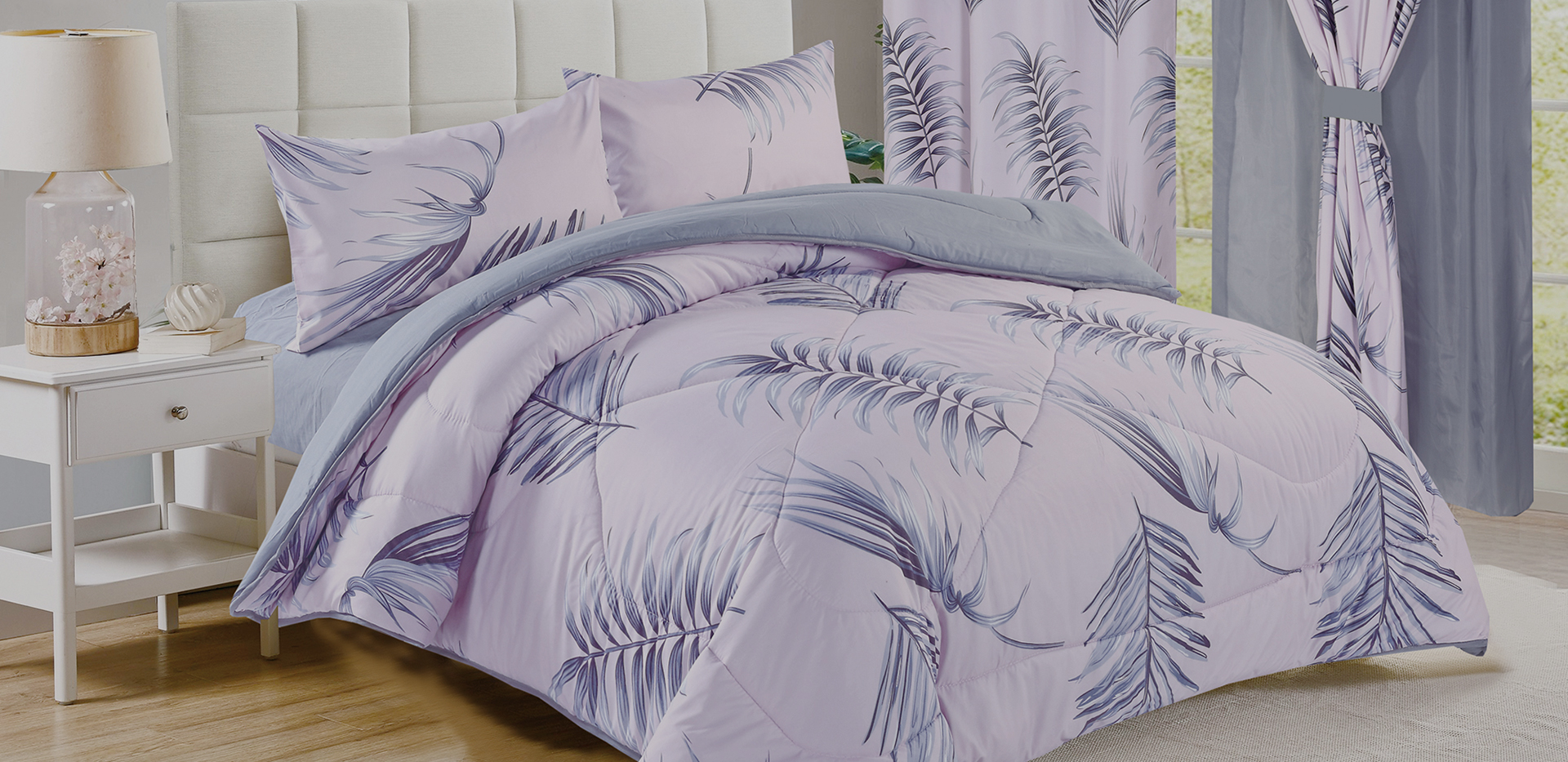
Folded, zippered poly bag packaging remains standard for this category, though buyers increasingly request packaging windows that display the brushed fabric texture directly, since customers evaluating softness before purchase respond more favorably to visible fabric than to packaging relying solely on printed descriptions. Set component labeling inside the package deserves equal attention, since a customer opening a package expecting a flat sheet, fitted sheet, and matching pillowcases needs clear component identification to avoid confusion during an initial unboxing experience. Distributors sourcing a flannel bedding line alongside their standard plush offering increasingly standardize packaging format across both fabric types, since a consistent package design across a broader assortment simplifies retail shelf planning for buyers stocking multiple fabric options within a single bedding category.
Sourcing Considerations for Wholesale Programs
MH Home Textiles structures its fitted plush sheets program around documented pocket depth options, private-label color flexibility, and seasonal production capacity planning, giving distributors a sourcing reference matched to specific mattress compatibility and merchandising timing requirements.
Contact Us for More Details
Don't hesitate to contact when you need us!
Contact Information
Add:
Building 1, East Area, Wanyang Zhongchuang City, Economic Development Zone, Dongyang City, Zhejiang Province, China
Phone:
Tel:
E-mail:
Quick Links
Product Category
QR Code



+86-13616899966
+86-579-86610966
