 English
 русский
 Español
 عربى
عربى

Can Fitted Plush Sheets Keep a Mattress Warm All Winter?
Home textile buyers stocking cold-weather bedding keep asking a practical performance question: can fitted plush sheets actually deliver the thermal retention buyers expect from this category, or does the soft surface texture come without a meaningful warmth advantage over a standard cotton percale sheet? Distributors supplying winter bedding programs increasingly trace the answer to fiber type, brushing process, and fabric weight rather than surface softness alone.
Fiber Type and Thermal Retention
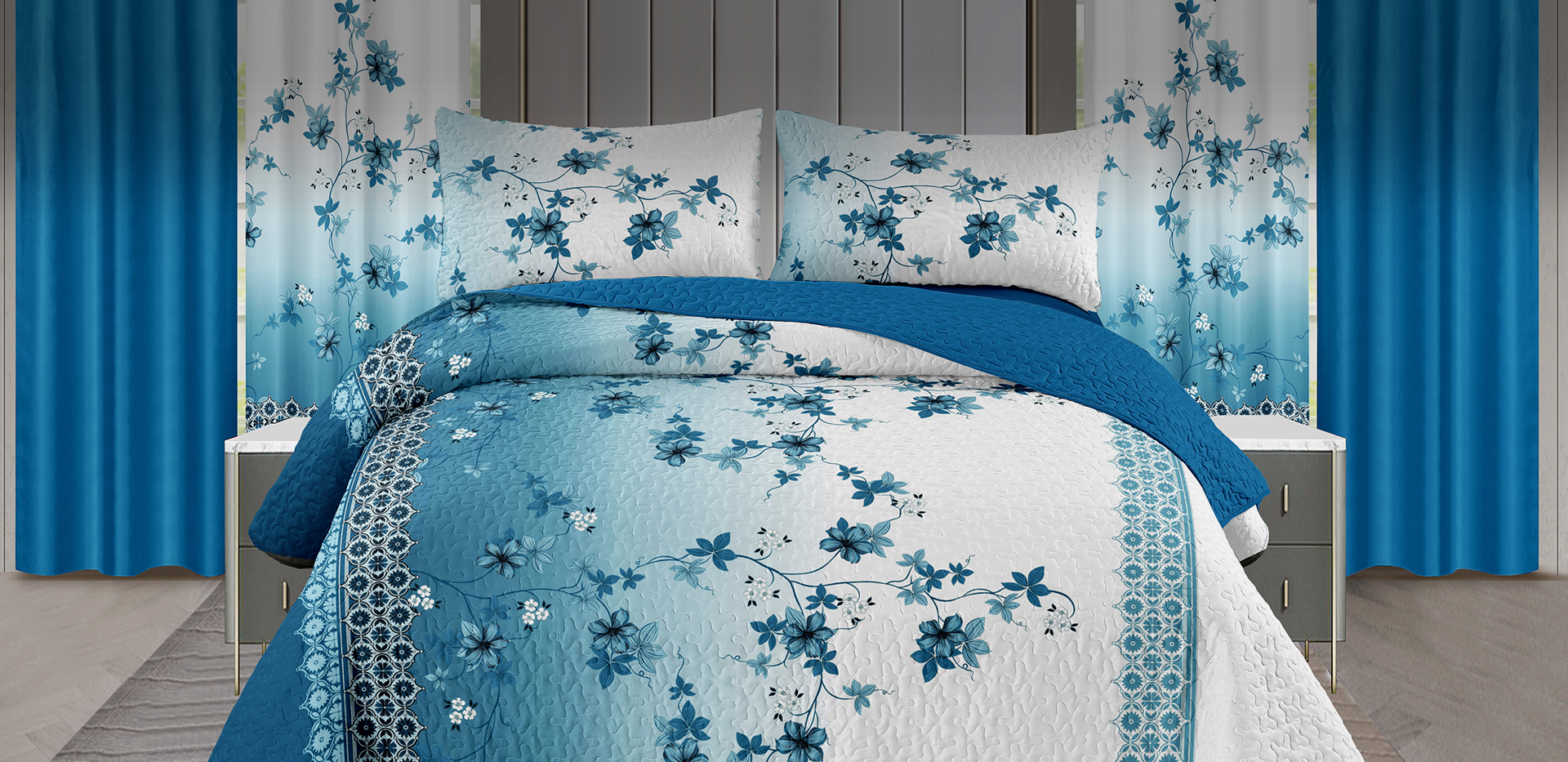
Microfiber and cotton flannel represent the two dominant fiber choices in this category, and each delivers warmth through a somewhat different mechanism. Microfiber fibers are finer than natural cotton fibers, which lets manufacturers pack more fiber surface area into the same fabric weight, trapping a thicker layer of warm air against the skin than a comparable-weight cotton flannel typically achieves. Fitted plush sheets built from microfiber tend to feel warmer to the touch immediately upon contact, a property buyers increasingly value for retail display since customers frequently handle sheets directly before purchasing.
Cotton flannel sheets, by contrast, offer a more breathable warmth that many buyers prefer for sleepers who run warm at night despite wanting a soft, cozy surface texture. Distributors sourcing this style for regions with milder winters increasingly stock cotton flannel alongside microfiber options, since breathability matters more in these markets than the maximum thermal retention microfiber provides.
|
Fabric Factor |
Buyer Consideration |
Common Standard |
|
Fiber type |
Warmth mechanism, breathability |
Microfiber or cotton flannel |
|
Fabric weight |
Thermal retention level |
150 to 300 GSM |
|
Brushing passes |
Surface softness, pilling risk |
Double-sided brushing |
|
Elastic band |
Fitted corner retention |
Full-perimeter elastic |
Brushing Process and Surface Texture
The plush, brushed-nap texture that gives this category its characteristic softness comes from a mechanical brushing process applied to the fabric surface after weaving or knitting, raising short fiber ends to create the soft hand-feel buyers associate with this style of bedding. Fitted plush sheets brushed on both sides of the fabric achieve a more uniform soft texture across the entire sheet surface, while single-side brushing reduces manufacturing cost but leaves one face noticeably less soft than the other, a detail buyers increasingly notice when comparing samples side by side.
Brushing intensity affects pilling resistance over the product's service life, since fabric brushed too aggressively during manufacturing weakens individual fibers and accelerates pilling once a sheet goes through repeated home laundering cycles. Manufacturers producing flannel bedding lines for extended retail programs increasingly calibrate brushing intensity to balance immediate surface softness against long-term pilling resistance, since a sheet that feels exceptionally soft in a showroom sample but pills badly after a season of use generates return complaints that outweigh the initial tactile appeal.
Elastic Band Construction for Fitted Corners
Fitted sheet corners face repeated stretching stress every time a sheet gets installed or removed from a mattress, and elastic band quality at these corners determines how long a fitted plush sheet set maintains a snug fit before the elastic loses tension and the sheet begins slipping off mattress corners during normal sleep movement. Full-perimeter elastic banding, running along the entire sheet edge rather than only at the four corners, distributes stretching stress more evenly and resists premature elastic fatigue better than a corner-only elastic design.
Elastic recovery after repeated machine washing deserves particular attention for this category, since a fitted sheet that fits perfectly out of the package but loosens noticeably after a handful of wash cycles creates a persistent fit complaint that traces directly back to elastic material quality rather than the total fabric performance.
Care Instructions and Long-Term Pilling Resistance
Washing and drying practices affect pilling and softness retention as much as the original manufacturing quality, and buyers increasingly find care labeling guidance worth communicating clearly to end customers rather than assuming a plush fabric tolerates the same laundering routine as a standard cotton percale sheet. Lower wash temperatures and reduced dryer heat preserve the brushed nap texture longer than hot-water washing and high-heat tumble drying, which can compress fiber structure and accelerate the flattened, less-soft feel a well-worn plush sheet eventually develops.
Buyers distributing fitted plush sheets through retail channels increasingly print simplified care guidance directly on packaging rather than relying on a small woven label many customers rarely read closely before a sheet's initial wash cycle.
Sourcing Considerations for Winter Bedding Programs
MH Home Textiles documents fiber composition, brushing specification, and elastic band construction for its fitted plush sheets lineup, giving distributors a sourcing reference built on tested thermal and durability performance rather than a styling photo alone.
Contact Us for More Details
Don't hesitate to contact when you need us!
Contact Information
Add:
Building 1, East Area, Wanyang Zhongchuang City, Economic Development Zone, Dongyang City, Zhejiang Province, China
Phone:
Tel:
E-mail:
Quick Links
Product Category
QR Code



+86-13616899966
+86-579-86610966
