 English
 русский
 Español
 عربى
عربى

What Makes Washable Comforter Sets Hold Up Wash After Wash?
Home textile buyers reviewing bedding catalog additions keep asking a practical durability question: what actually lets washable comforter sets survive repeated home laundering without the fill clumping, shifting, or losing loft that a lower-quality set develops within a season of regular use? Distributors supplying department stores and online retail increasingly trace the answer to fill material, box-stitch construction, and shell fabric density rather than thread count or styling alone.
Fill Material and Shrink Resistance
Microfiber fill has become the dominant choice across the machine-washable segment of this category because it resists the clumping and matting that natural down or lower-grade polyester fill develops after repeated wash cycles. Washable comforter sets built with siliconized microfiber fill maintain loft more consistently across dozens of laundering cycles than untreated polyester fiberfill, since the siliconizing process coats individual fibers to reduce the friction that causes clumping when fill gets agitated repeatedly in a washing machine drum.
Shell fabric matters as much as fill material for wash durability, since a shell fabric prone to shrinkage distorts the entire comforter's dimensions after a handful of hot-water wash cycles, even when the fill inside performs well. Distributors sourcing washable comforter sets for retail programs increasingly request pre-shrunk fabric treatment documentation, since untreated cotton-blend shells can shrink several percentage points on an initial hot wash, creating a visible mismatch between a comforter and the sheet or sham sizes it was originally paired with.
|
Component |
Wash Durability Concern |
Common Standard |
|
Fill material |
Clumping, loft retention |
Siliconized microfiber |
|
Shell fabric |
Shrinkage after washing |
Pre-shrunk cotton-poly blend |
|
Box stitching |
Fill shifting, cold spots |
Diamond or box-quilt pattern |
|
Closure/corner ties |
Insert separation from cover |
Reinforced corner ties or buttons |
Box-Stitch Construction and Fill Distribution
Box stitching, the quilted pattern of stitched channels running through a comforter, keeps fill distributed evenly across the surface rather than letting it migrate toward the edges or bottom corners after repeated washing and drying cycles. A tighter box-stitch grid holds fill in place more effectively than a widely spaced quilting pattern, though tighter stitching adds manufacturing cost and slightly reduces the loft a comforter can achieve within each individual box section.
Corner and edge reinforcement deserves separate attention from the interior box-stitch pattern, since edges and corners experience heavy mechanical stress during washing machine agitation and tend to develop stitching failures before the interior quilted sections show comparable wear. Manufacturers producing quilted bedding set lines for the mass retail market increasingly reinforce these stress points with additional stitching passes specifically because return data consistently traces early product failures back to edge and corner seam separation rather than interior fill migration.
Certification and Hypoallergenic Claims
Buyers sourcing for retail programs marketed toward allergy-sensitive consumers increasingly request Oeko-Tex or similar textile certification confirming fill and fabric components meet established chemical safety thresholds for prolonged skin contact. Hypoallergenic claims on washable comforter sets packaging carry more weight when paired with documented dust-mite-resistant fill treatment, since the microfiber fill common to this category can still harbor dust mites without an additional treatment step specifically targeting this concern.
Flame retardant chemical treatment, required in certain jurisdictions for bedding products, introduces a separate certification consideration buyers increasingly verify meets current regulatory standards without relying on chemicals that consumer safety advocates have flagged in past product recalls across the broader bedding industry.
Set Configuration and Component Consistency
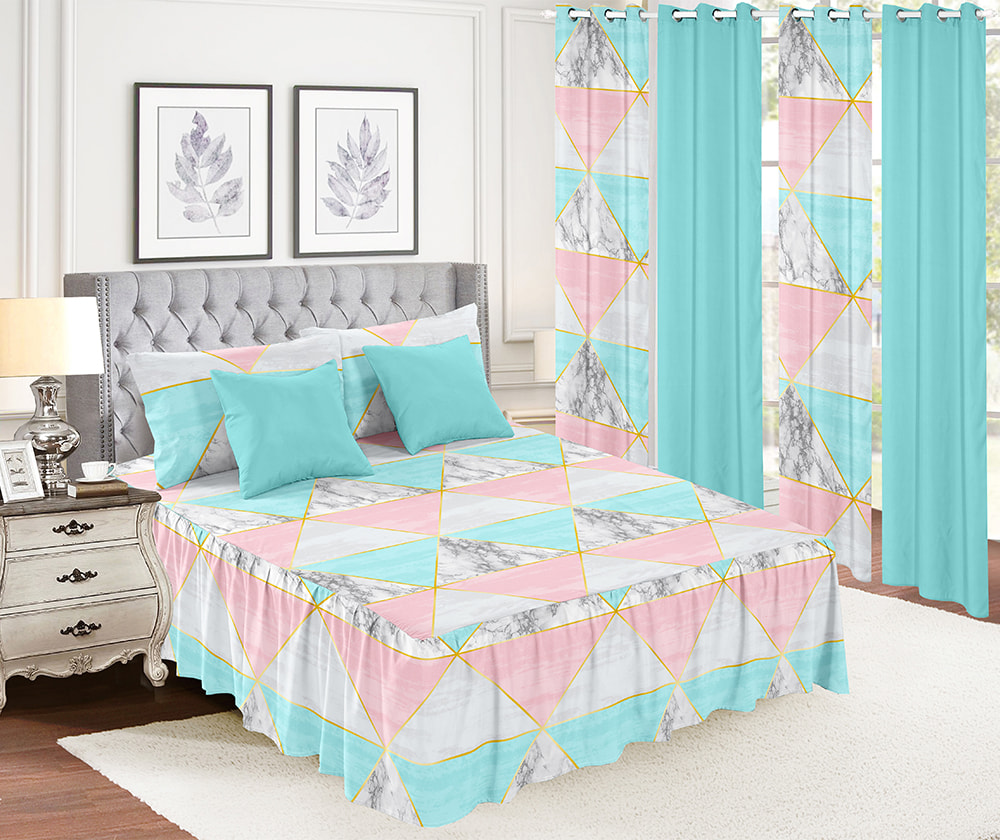
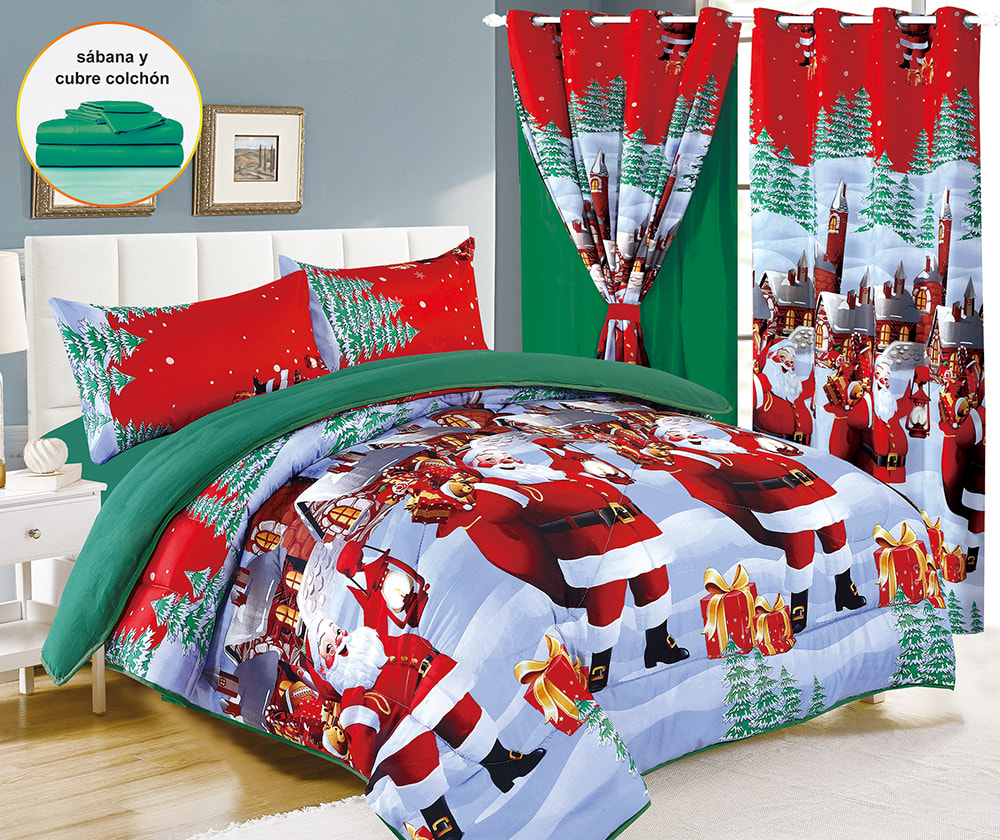
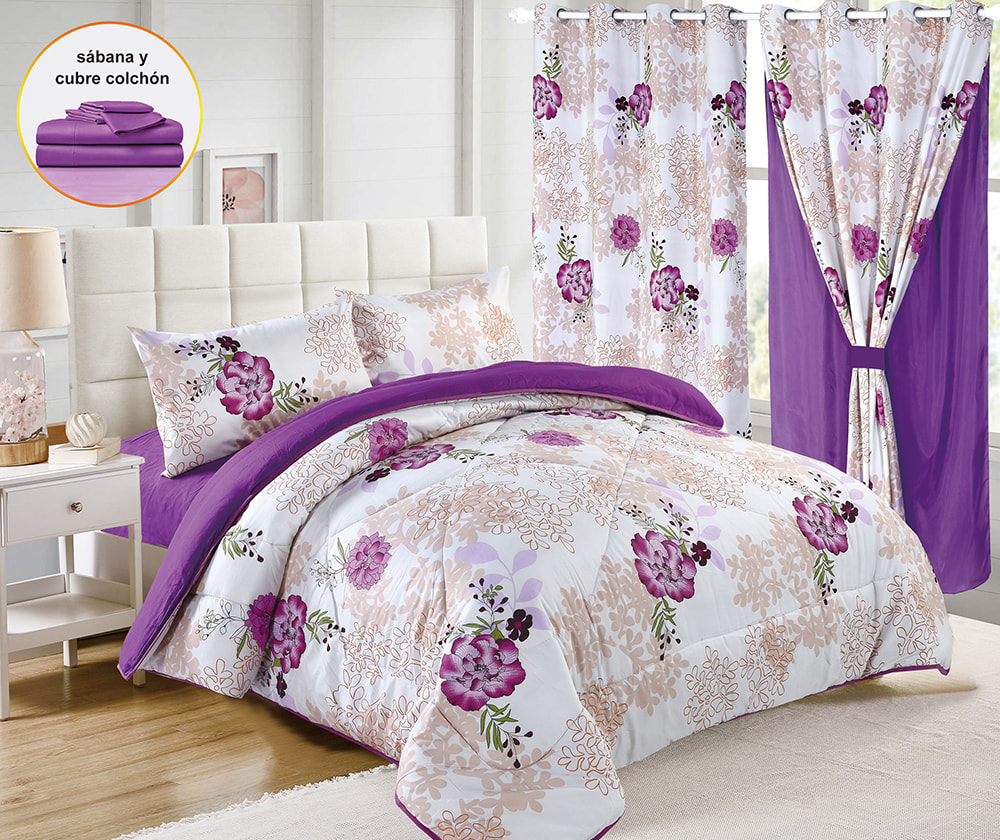
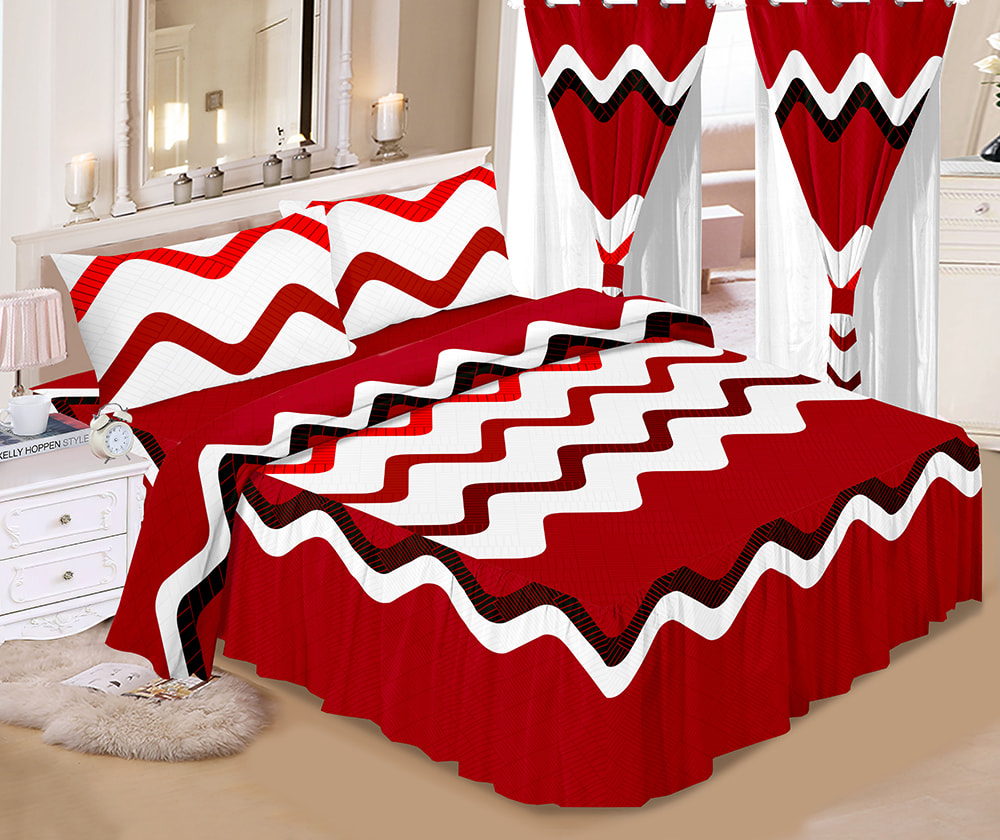
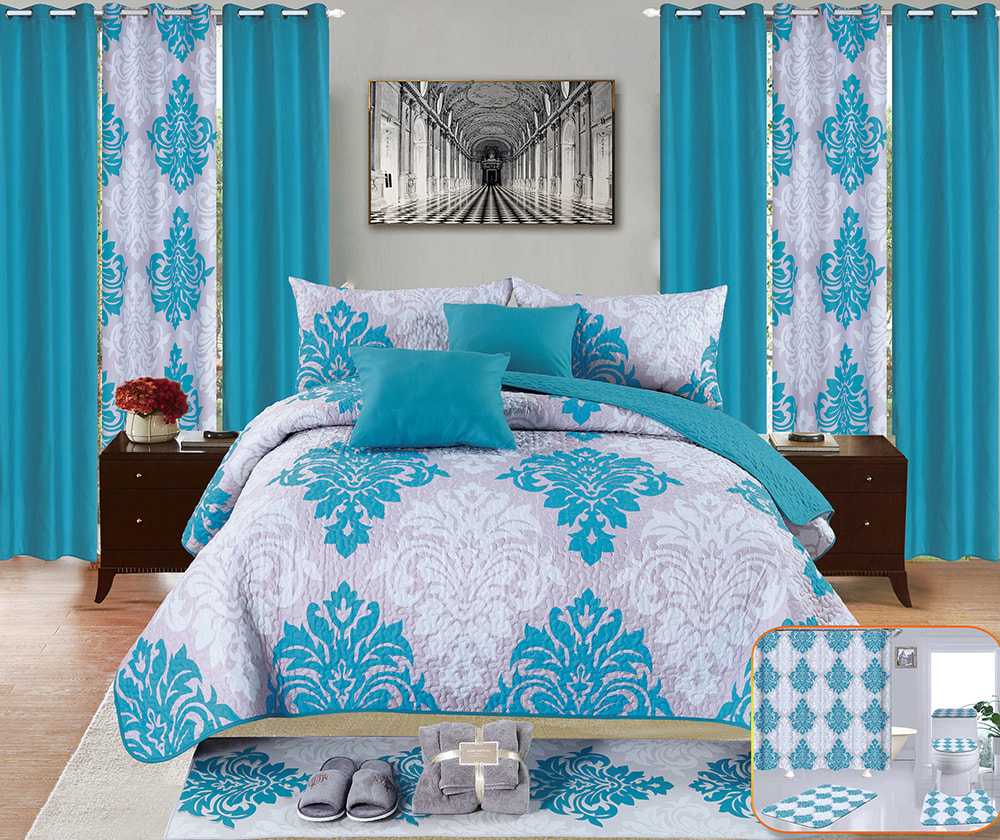
A typical washable comforter sets package includes a comforter alongside matching pillow shams and sometimes a bed skirt, and color and pattern consistency across these separate pieces matters for retail display as much as for the finished bed appearance a customer expects after unboxing. Distributors increasingly verify dye lot consistency across all set components produced together, since components dyed in separate batches can show a visible shade mismatch that reads as a quality defect once a customer assembles the full set at home.
Sourcing Considerations for Retail Programs
MH Home Textiles documents fill material treatment, box-stitch density, and certification testing for its washable comforter sets lineup, giving distributors a sourcing reference built on tested wash durability rather than a styling photo alone.
Contact Us for More Details
Don't hesitate to contact when you need us!
Contact Information
Add:
Building 1, East Area, Wanyang Zhongchuang City, Economic Development Zone, Dongyang City, Zhejiang Province, China
Phone:
Tel:
E-mail:
Quick Links
Product Category
QR Code



+86-13616899966
+86-579-86610966
