 English
 русский
 Español
 عربى
عربى

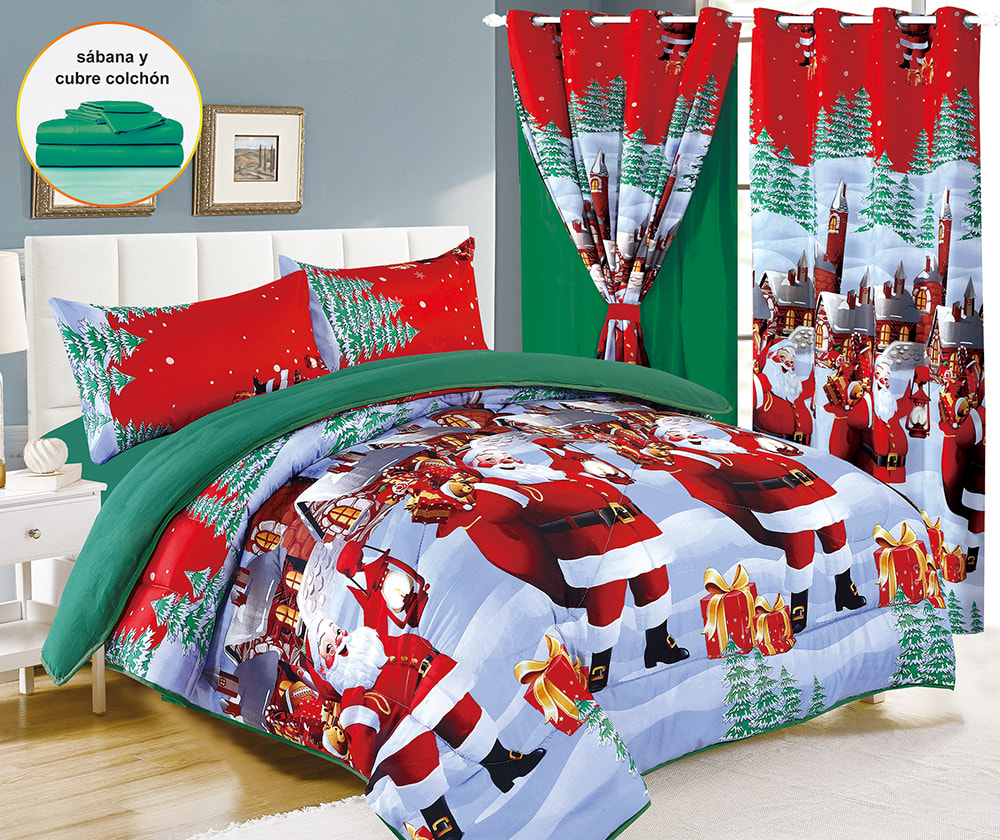
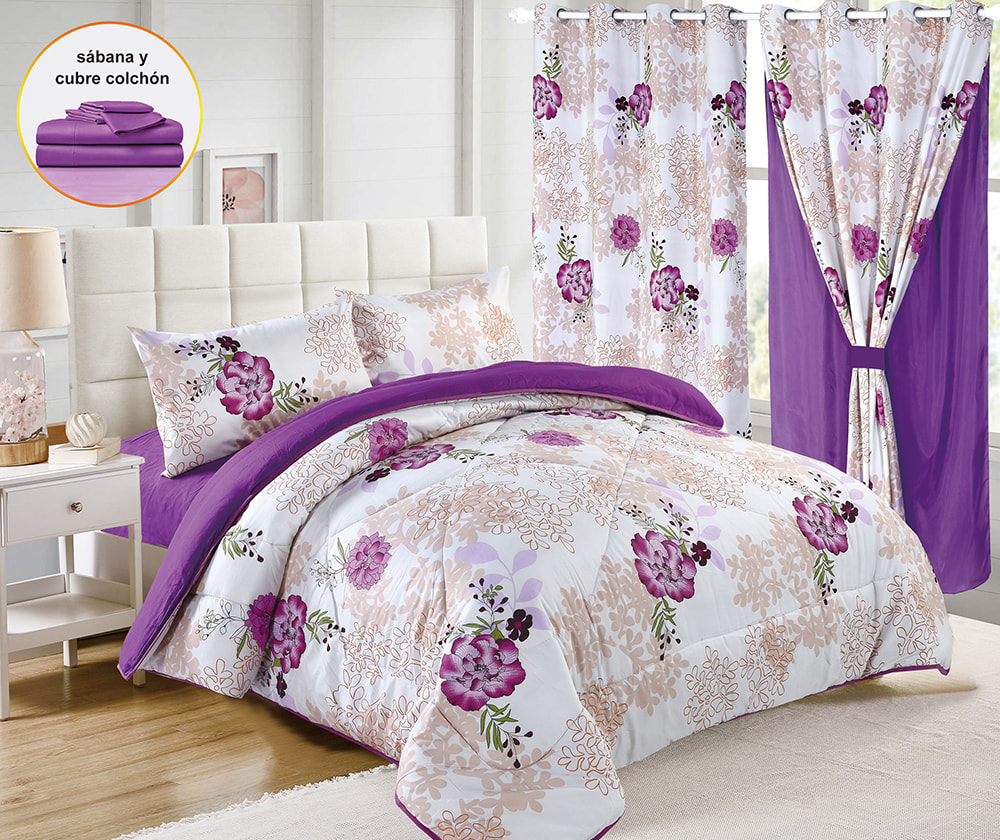
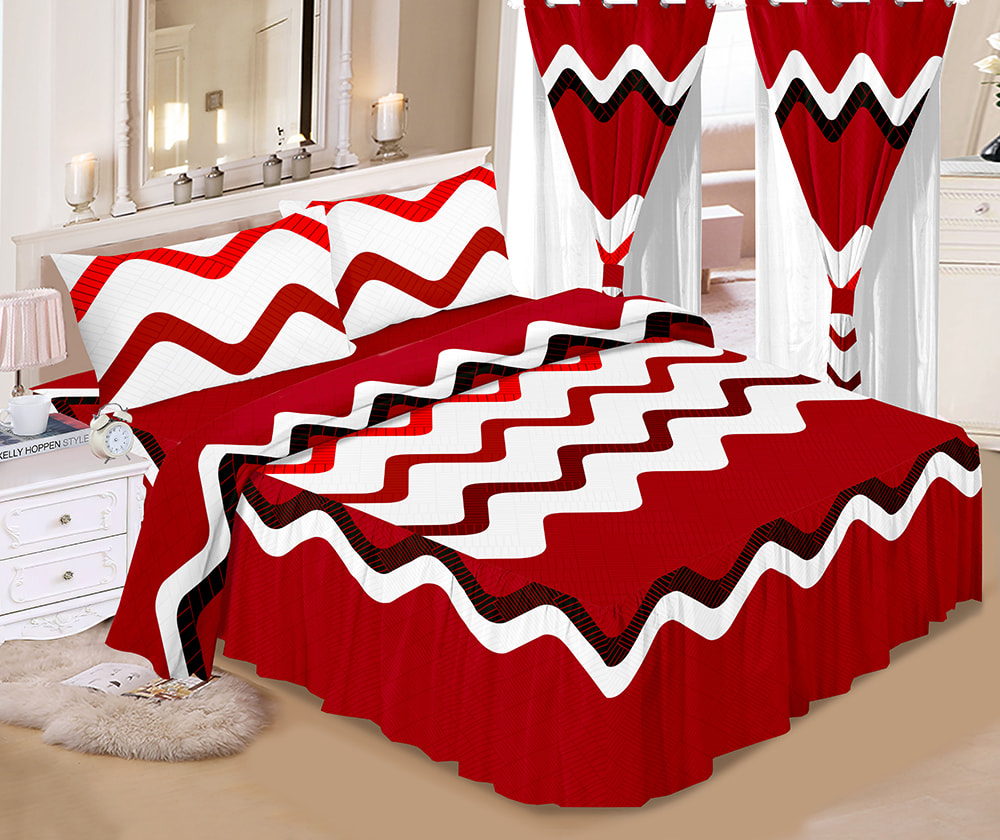
How Printed Quilt Fits Seasonal Bedding Demand?
Printed Quilt products are increasingly seen in seasonal bedding supply chains where visual design and lightweight structure are often prioritized over complex stitching. In many textile production lines, printed bedding types are processed in parallel with standard quilt categories, but they are handled differently during surface treatment and finishing inspection.
In actual warehouse handling and retail preparation, Printed Quilt items are usually grouped based on pattern type rather than structural design, which makes them more flexible for short-cycle inventory distribution.
Visual Layer Becomes The Main Production Focus
In production environments, attention is often placed on surface design alignment rather than quilting density.
Fabric rolls are checked for print clarity.
Color consistency is monitored across batches.
Pattern alignment is verified before cutting stages.
At this stage, printed bedding pattern stability becomes more important than internal stitching complexity.

Some production lines focus heavily on ensuring that Printed Quilt surfaces maintain consistent visual output even across different fabric batches.
Lightweight Structure Changes Storage Behavior
Compared with traditional stitched quilts, printed versions are often lighter in structure.
This affects how they are stacked in warehouses.
Compression behavior is different.
Packing density is higher.
Handling speed during sorting becomes faster.
These operational differences are frequently noted when Printed Quilt products are processed in bulk shipment environments.
Fabric Base Affects Final Appearance Stability
Even with identical printing design, different fabric bases can produce slightly different visual results.
Some fabrics absorb dye more evenly.
Others show slightly sharper contrast.
This variation becomes more visible when multiple printed bedding pattern batches are placed side by side during quality checking.
Operators often do not separate these differences formally, but they are still recorded in inspection notes for Printed Quilt shipments.
Seasonal Demand Influences Production Rhythm
Production of printed quilts is often tied to seasonal demand cycles.
Higher output occurs before colder seasons.
Design changes are more frequent during transition periods.
Warehouses adjust inventory speed based on regional demand shifts.
In this cycle, Printed Quilt production lines often run with shorter adjustment intervals compared with standard quilt manufacturing.
Color Stability Is Checked Across Lighting Conditions
Quality inspection does not rely on a single lighting environment.
Some checks are done under natural light.
Some under controlled white light.
Some under warehouse fluorescent conditions.
This helps identify whether printed bedding pattern consistency remains stable across different viewing environments.
Packaging Presentation Affects Buyer Perception
In retail supply chains, packaging design plays a strong role in how the product is perceived before opening.
Folded presentation.
Vacuum compression shape.
Label positioning.
These elements influence first impression of Printed Quilt products even before tactile evaluation begins.
FAQ Section
FAQ 1: Is printed quilt only for decorative use?
Usage depends on fabric thickness and filling type. Many Printed Quilt products are used in both decorative and light bedding scenarios depending on seasonal needs.
FAQ 2: Does printed bedding pattern fade easily?
Color stability depends on fabric treatment and washing frequency. Some printed bedding pattern types maintain clarity after multiple washes, while others may soften slightly over time.
FAQ 3: Why do printed quilts feel lighter?
Because structure relies more on surface printing than dense quilting layers, Printed Quilt products often feel lighter during handling and storage.
FAQ 4: Can printed quilt replace stitched quilt?
In many seasonal applications, Printed Quilt can be used as an alternative, but long-term usage depends on material thickness and user preference.

Contact Us for More Details
Don't hesitate to contact when you need us!
Contact Information
Add:
Building 1, East Area, Wanyang Zhongchuang City, Economic Development Zone, Dongyang City, Zhejiang Province, China
Phone:
Tel:
E-mail:
Quick Links
Product Category
QR Code



+86-13616899966
+86-579-86610966
